Nov 24, 2026
Why two soil tests can disagree: nutrient pools explained

Two soil reports for the same field can show potassium values that differ tenfold, and neither has to be wrong. The reason is not the lab’s accuracy but what each test measured. A soil holds each nutrient in several places at once, and every soil test reaches only some of them.
Where nutrients sit in the soil
Part of each nutrient is dissolved in the soil water. Part is held on clay and organic matter. Part is locked in minerals. A lab measures one or more of those places by soaking the soil in a solution, the extractant. A mild extractant reaches only the dissolved part, a stronger one also reaches what is held on the particles, and a digestion reaches everything.
The four nutrient pools
From smallest to largest, each pool is what a stronger extraction reaches:
Soluble: dissolved in the soil water, what roots can take up today. Measured with water extracts, 0.01 M CaCl₂, P-water (Pw) and the Haney water extract.
Extractable: held on clay and organic matter as exchangeable cations and adsorbed phosphate. It refills the soil water during the season. Measured with Mehlich 3, Olsen, Bray 1, P-AL, CAL, Morgan, ammonium acetate, DTPA and Haney H3A.
Reserve: bound in minerals or held tightly, released slowly over years. Measured with a strong acid such as 2 M HCl.
Total: everything in the soil, including what will not become available on a farming timescale. Measured with aqua regia or another digestion, and Kjeldahl or Dumas for nitrogen.
The pools are nested: Soluble ≤ Extractable ≤ Reserve ≤ Total. A test reaches its own pool and every pool inside it, so an extractable value already includes the soluble amount. Nutrients move inward over time: roots take up from the soil water, exchange sites refill the soil water during the season, and minerals refill the exchange sites over years. A soluble value says what is there now; an extractable value says how much stands behind it.
“Plant-available” doesn’t mean the same everywhere
The words labs use don’t settle which pool was measured. On Dutch reports, “plant-available” (plantbeschikbaar) usually means the soluble pool, measured with CaCl₂. On US and UK reports, “available” usually means the extractable pool, measured with Mehlich 3, Olsen or ammonium acetate. That is why SoilBeat names the pool by what the method reaches, not by the lab’s label, and calls the second pool “Extractable” rather than “Available”.
Same pool, different method, different value
Even two methods that measure the same pool give different numbers. Olsen, Bray 1, Mehlich 3 and P-AL all measure extractable phosphorus, yet on one soil their results can differ by a factor of two or more. Each extractant dissolves a different share of the pool, depending on the soil’s pH, lime content and clay, so there is no fixed factor to convert one method into another. And each method has its own interpretation: a value is only “low” or “high” against target ranges set for that same method.

A real example: one soil sample, two reports from the same lab on the same day. Ammonium acetate and Haney H3A both reach the extractable pool, yet potassium reads 153 ppm on one report and 49 ppm on the other. Compared without the method, potassium seems to have dropped by two-thirds.
How SoilBeat handles it
Every soil reading keeps its method and the nutrient pool it measures: Soluble, Extractable, Reserve or Total.
SoilBeat knows the pool of more than 40 extraction and digestion methods and reads the method from the lab report when the report names it.
One sample can hold several readings of a nutrient in the same pool, one per method, and target values are set per method.
SoilBeat converts units (mg/kg, kg/ha) and forms (P and P₂O₅, K and K₂O), but never one method’s value into another’s.
When a report names no method, SoilBeat decides the pool from how the report describes the value and leaves the method empty. For well-known labs, SoilBeat has set up default tables of the methods each lab uses for each nutrient.
What has no pool
Only an amount of a nutrient has a pool. Soil properties such as pH, EC, CEC, organic matter, texture and ratios like Ca/Mg have none, even when measured in water or CaCl₂. Base saturation is a proportion, not an amount. And soil supply (bodemlevering), such as a nitrogen supply estimate or Haney’s nitrogen credit, is a prediction of what the soil will release over a season, not a measured pool.
What this means for your next soil report
Before comparing two reports, check which pool and which method each value comes from. Compare readings against targets for the same method, and keep the laboratory and method consistent over the years when you want to follow a trend. SoilBeat does the bookkeeping for you, so the next recommendation starts from numbers that mean what you think they mean.

Written by
Freek van Polen
Related
Other Articles.
Agricultural AI needs evidence from the field

by
SoilBeat
Data, AI & precision agriculture
Research explainer
Before treating the symptom, read the field’s pattern

by
SoilBeat
Crop protection
Research explainer
Before buying nitrogen, account for the field’s history

by
SoilBeat
Nutrient management & fertilization
Research explainer
Nitrogen
Maize
A sap result needs a field record beside it

by
SoilBeat
Plant sap & tissue analysis
Research explainer
The right fertilizer decision starts with the field

by
SoilBeat
Nutrient management & fertilization
Research explainer
When water sets the ceiling on nitrogen response

by
SoilBeat
Nutrient management & fertilization
Research explainer
Nitrogen
DMPP in saline cotton: the field context decides the benefit

by
SoilBeat
Nutrient management & fertilization
Research explainer
Nitrogen
Less mineral nitrogen, stronger reserves: reading a conservation field

by
SoilBeat
Nutrient management & fertilization
Research explainer
Nitrogen
Wheat
Foliar manganese and zinc: why humidity changes the result

by
SoilBeat
Nutrient management & fertilization
Research explainer
Manganese
Zinc
Coffee
Organic fertilizer helped maize—but wheat needed a different plan

by
SoilBeat
Nutrient management & fertilization
Research explainer
Nitrogen
Maize
Wheat
Straw return builds soil carbon. What happens to emissions?

by
SoilBeat
Regenerative & sustainable agriculture
Research explainer
Slurry Injection Saves Nitrogen But What Does It Cost Elsewhere?

by
SoilBeat
Nutrient management & fertilization
Research explainer
Nitrogen
The New Global Fertilizer Map

by
SoilBeat
Nutrient management & fertilization
Research explainer
Nitrogen
Phosphorus
Potassium
Can Vetch Catch Crops Improve Greenhouse Vegetables and Reduce Fertilizer

by
SoilBeat
Nutrient management & fertilization
Research explainer
Nitrogen
Turning lab report into a fertilizer recommendation

by
SoilBeat
Nutrient management & fertilization
Guide / how-to
Chloride: The Gatekeeper

by
Buse Soysal
Plant sap & tissue analysis
Nutrient profile
Chloride
Sodium: The Opportunist

by
Buse
Plant sap & tissue analysis
Nutrient profile
Sodium
Sulfur: The Finisher

by
Buse Soysal
Plant sap & tissue analysis
Nutrient profile
Sulfur
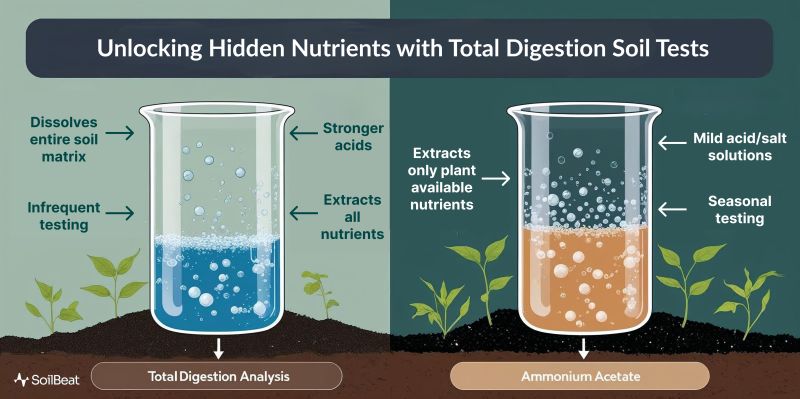
Unlocking Hidden Nutrients with Total Digestion Soil Tests
by
Buse Soysal
Zinc: The Coordinator

by
Buse Soysal
Plant sap & tissue analysis
Nutrient profile
Zinc
How to Balance a High Bacterial to Fungal Ratio in your Soil

by
Buse Soysal
Soil health & biology
Guide / how-to
Magnesium: The Technician

by
Buse Soysal
Plant sap & tissue analysis
Nutrient profile
Magnesium
Iron: The Power Engineer

by
Buse Soysal
Plant sap & tissue analysis
Nutrient profile
Iron
Copper: The Defender

by
Buse Soysal
Plant sap & tissue analysis
Nutrient profile
Copper
Molybdenum: The Facilitator

by
Buse Soysal
Plant sap & tissue analysis
Nutrient profile
Molybdenum
Nitrogen: The Builder

by
Buse Soysal
Plant sap & tissue analysis
Nutrient profile
Nitrogen
Manganese: The Regulator

by
Buse Soysal
Plant sap & tissue analysis
Nutrient profile
Manganese
Unlocking Smarter Farming with Weather + Nutrient Analytics

by
Buse Soysal
Data, AI & precision agriculture
Explainer
Water Meets Nutrient Strategy

by
Buse Soysal
Water, irrigation & climate
Explainer
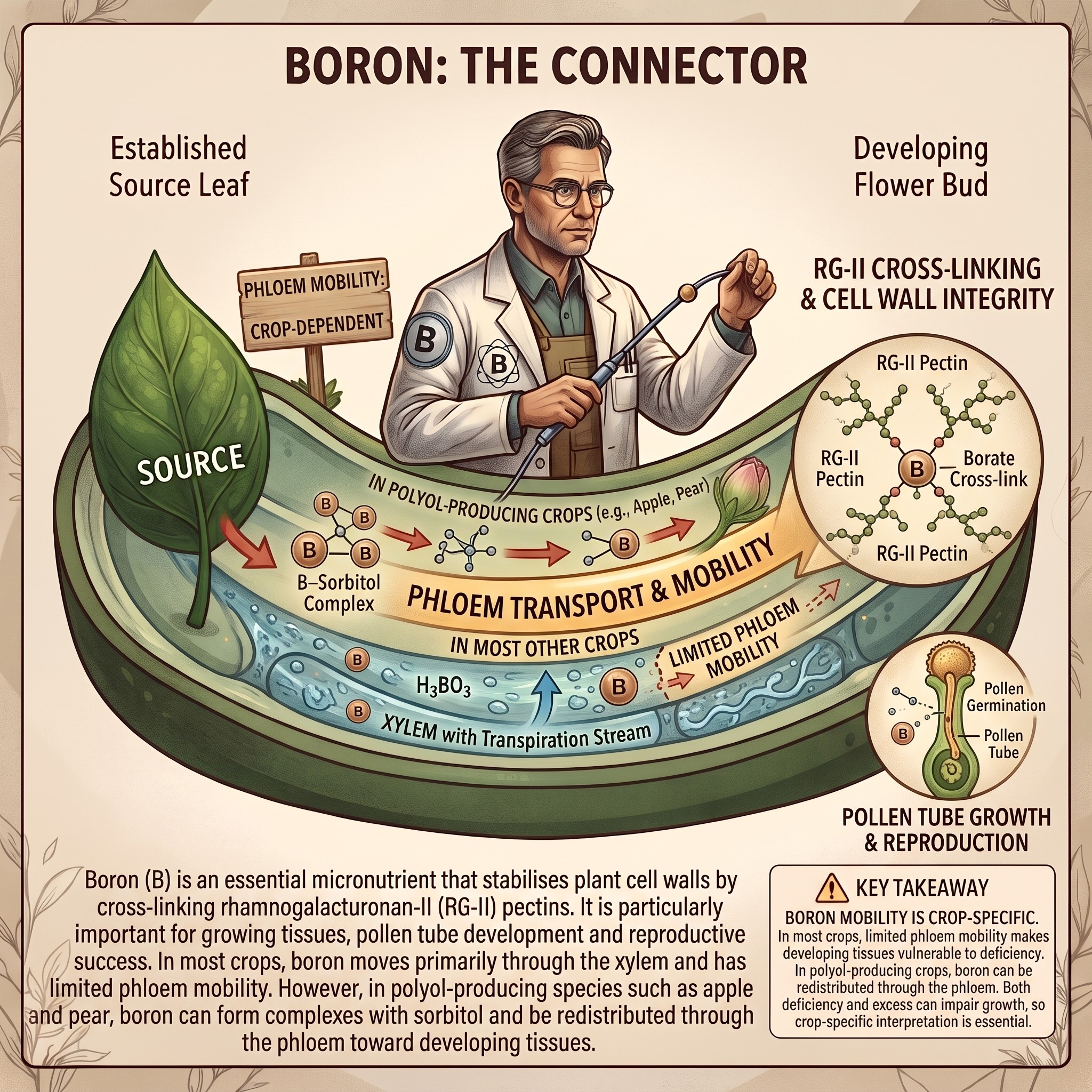
Boron: The Connector
by
Buse Soysal
Plant sap & tissue analysis
Nutrient profile
Boron
Calcium: The Architect

by
Buse Soysal
Plant sap & tissue analysis
Nutrient profile
Calcium
Potassium: The Logistics Manager

by
Buse Soysal
Plant sap & tissue analysis
Nutrient profile
Potassium
Phosphorus: The Strategist

by
Buse Soysal
Plant sap & tissue analysis
Nutrient profile
Phosphorus
Unit Conversion Meets Crop Intelligence

by
Buse Soysal
Soil & lab testing
Explainer
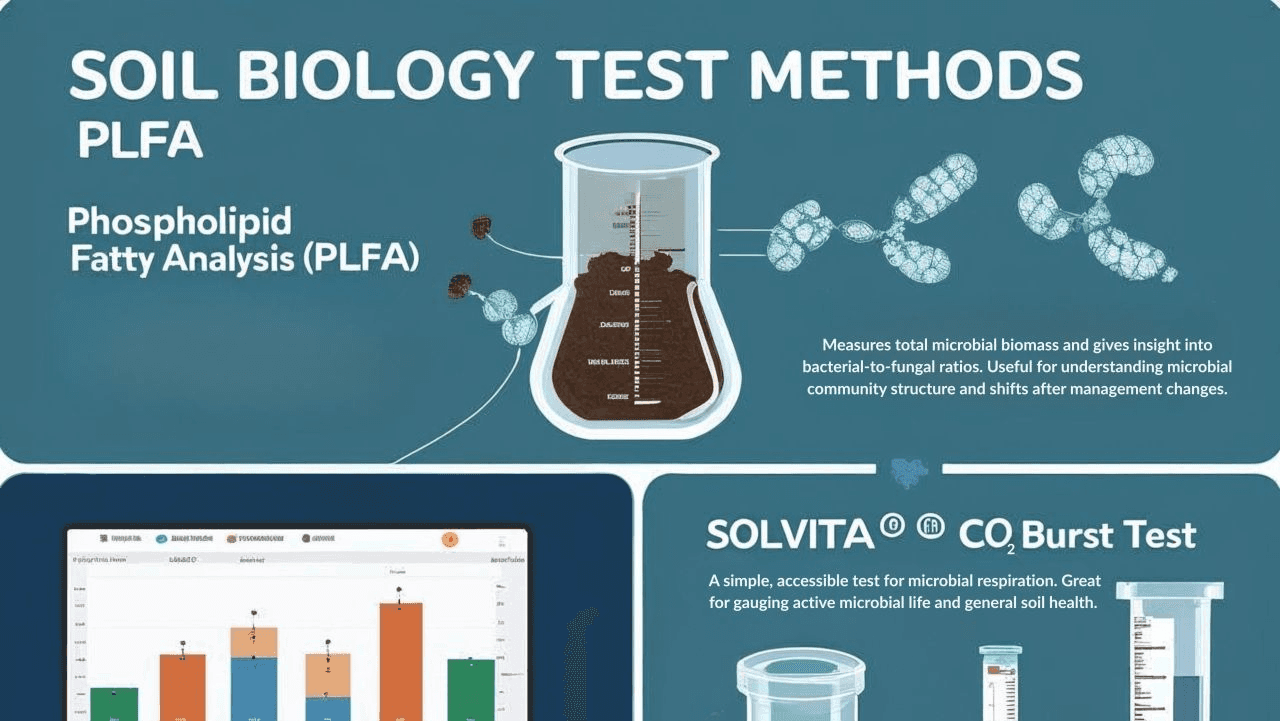
Soil Biology Testing—What Are Your Options?
by
Buse Soysal
Soil & lab testing
Explainer
Predict Problems Before They Hit — The Power of Plant Sap Analysis
by
Buse Soysal
Plant sap & tissue analysis
Explainer
Maximizing Cover Crop Benefits for Your Cash Crop

by
Buse Soysal
Regenerative & sustainable agriculture
Guide / how-to
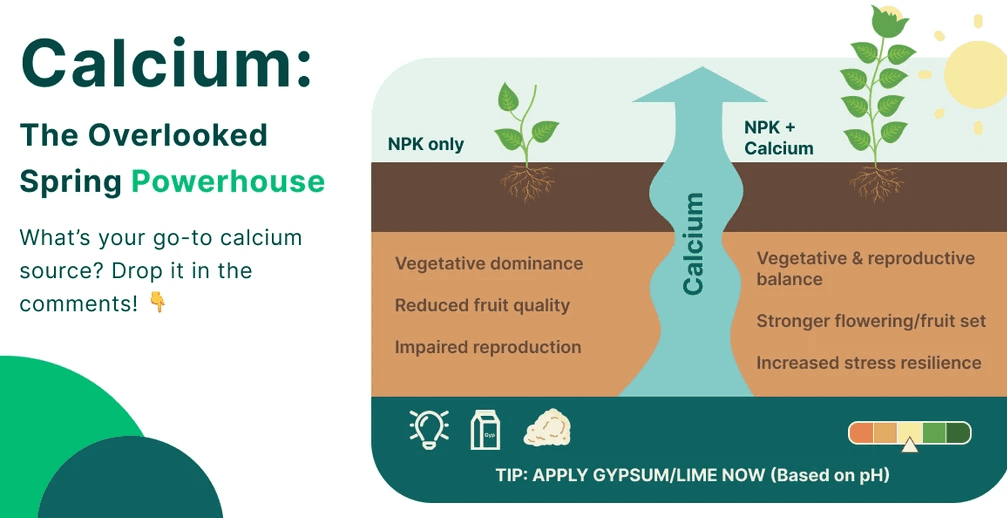
Calcium: The Overlooked Spring Powerhouse
by
Buse Soysal
Nutrient management & fertilization
Explainer
Calcium
Are fertilizer costs cutting into your bottom line?
by
Buse Soysal
Nutrient management & fertilization
Perspective / news
Advancing Precision Irrigation: Leveraging Technology for Sustainable Agriculture

by
Buse Soysal
Water, irrigation & climate
Explainer
Unlocking Agriculture’s Hidden Helpers: Microbial Genomics and the Data Challenge

by
Buse Soysal
The importance of microbial amendments: How to increase overall crop resilience

by
Buse Soysal
Soil health & biology
Explainer
Unlocking Crop Potential: The Untapped Power of Plant Sap Analysis

by
Buse Soysal
Plant sap & tissue analysis
Explainer
Unlocking Carbon Credits: What Data Farmers Need to Track and How We Can Help

by
Buse Soysal
Regenerative & sustainable agriculture
Guide / how-to
Enhancing Weed Management: Leveraging Data Analytics for Sustainable Agriculture
by
Buse Soysal
Crop protection
Explainer
Elevating Crop Health with Brix Measurements: The Sweet Science of Plant Immunity

by
Buse Soysal
Plant sap & tissue analysis
Explainer
Nutrient Management and Disease Resistance: Unveiling the Hidden Connections Through Data Analytics

by
Buse Soysal
Base Saturation Balancing: Achieving the Ideal Ratio for Optimal Crop Production

by
Buse Soysal
Nutrient interactions
Explainer
Potassium
Calcium
Magnesium
How to Achieve Zero Excess Free Nitrates and Ammonium in Plant Sap Analysis

by
Buse Soysal
Plant sap & tissue analysis
Guide / how-to
Nitrogen
America's Buzzing Backbone: The Crucial Role of Migratory Beekeeping in U.S. Agriculture

by
Buse Soysal
Crops, markets & food systems
Perspective / news
Almond
Breaking Down Soil Biology Testing - Finding the ROI with PLFA Tests

by
Buse Soysal
Soil & lab testing
Explainer
Precision Agriculture: Revolutionizing Farming, One Field at a Time

by
Buse Soysal
Data, AI & precision agriculture
Explainer
Ag101: What is the difference between organic and regenerative agriculture?
by
Buse Soysal
Regenerative & sustainable agriculture
Explainer
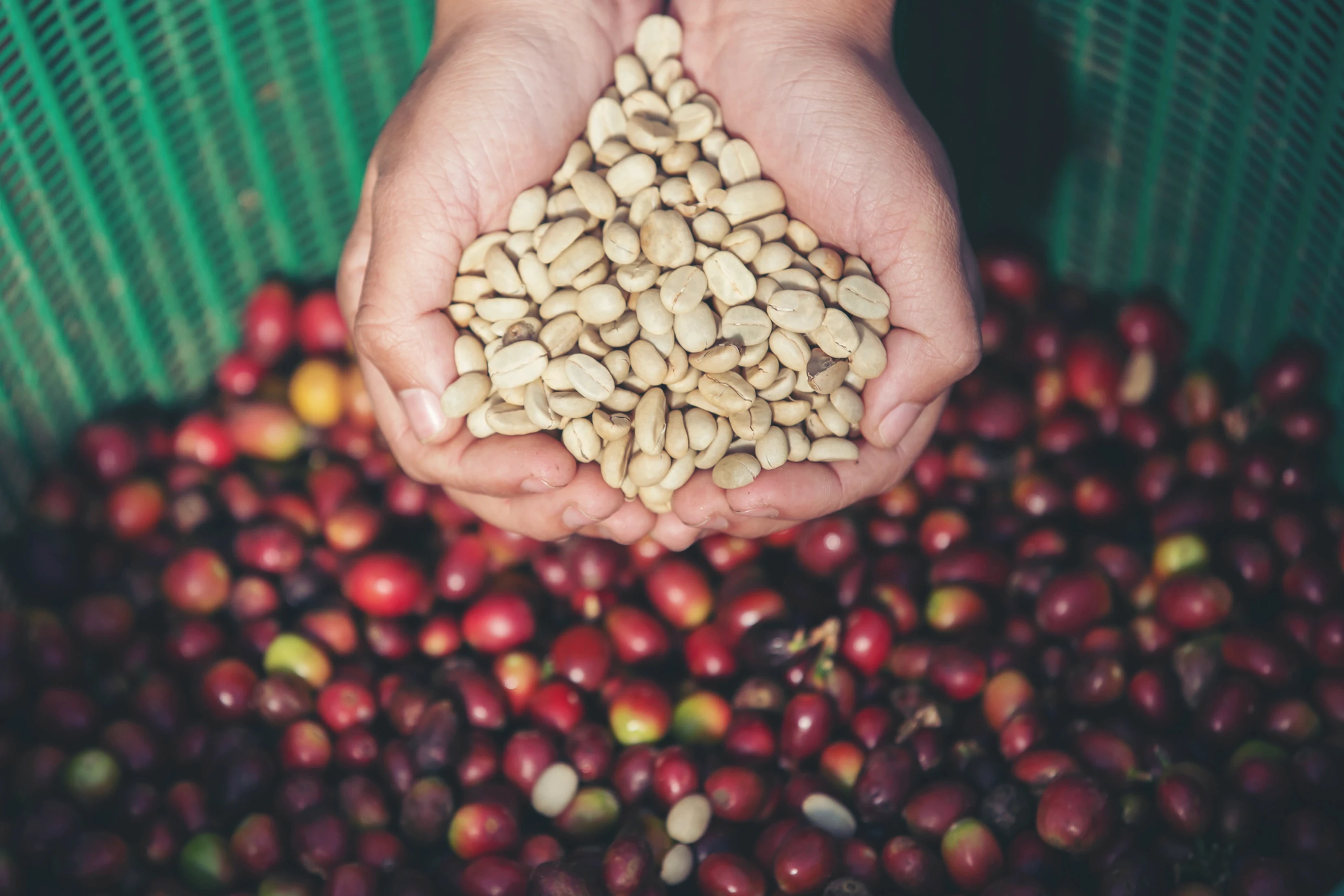
Your Favorite Beans are in Danger: Threats to Coffee & Chocolate Production
by
Buse Soysal
Crops, markets & food systems
Perspective / news
Coffee
IPM Programs: Best of the Pest Prevention Measures

by
Buse Soysal
Crop protection
Guide / how-to
Wet Spring Issues - Why So Irreparable?

by
Buse Soysal
Water, irrigation & climate
Explainer
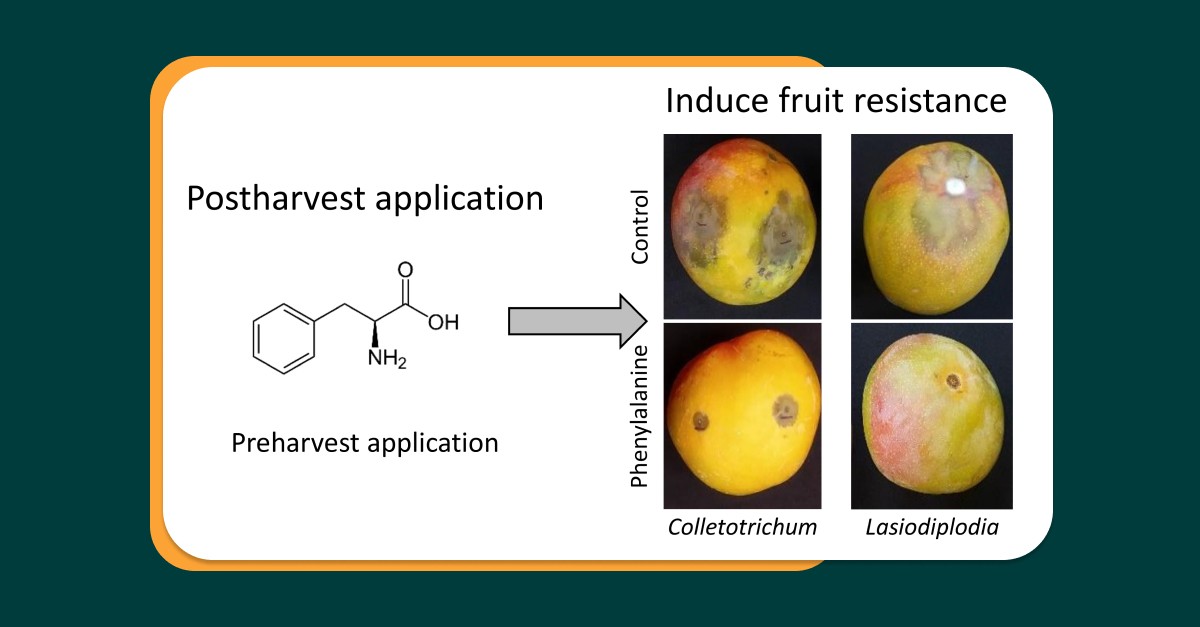
The Influence of Nutrient Applications on Post Harvest
by
Buse Soysal
Nutrient management & fertilization
Explainer
Calcium
Coffee
Orange Juice in Danger: The Threat of HLB Disease

by
Buse Soysal
Crop protection
Perspective / news
California Dreaming: The Issue with Almond Production

by
Buse Soysal
Crops, markets & food systems
Perspective / news
Almond
Sight Unseen: Zinc Deficiency in Soil

by
Buse Soysal
Nutrient interactions
Explainer
Phosphorus
Zinc
Battle Beneath: Understanding Calcium - Potassium Antagonism in Soil

by
Buse Soysal
Nutrient interactions
Explainer
Potassium
Calcium
The Plant Kingdom's Power Couple: Nitrogen and Sulfur's Synergistic Symphony

by
Buse Soysal
Nutrient interactions
Explainer
Nitrogen
Sulfur
Increase Drought Tolerance With This Commonly Missed Micronutrient

by
Buse Soysal
Water, irrigation & climate
Explainer
Chloride
Digging Deeper: The Great Soil Analysis Debate for Regenerative Agriculture

by
Buse Soysal
Soil & lab testing
Perspective / news
Ammonium vs Calcium: The Nutrient Balancing Act for Thriving Plants

by
Buse Soysal
Nutrient interactions
Explainer
Nitrogen
Calcium
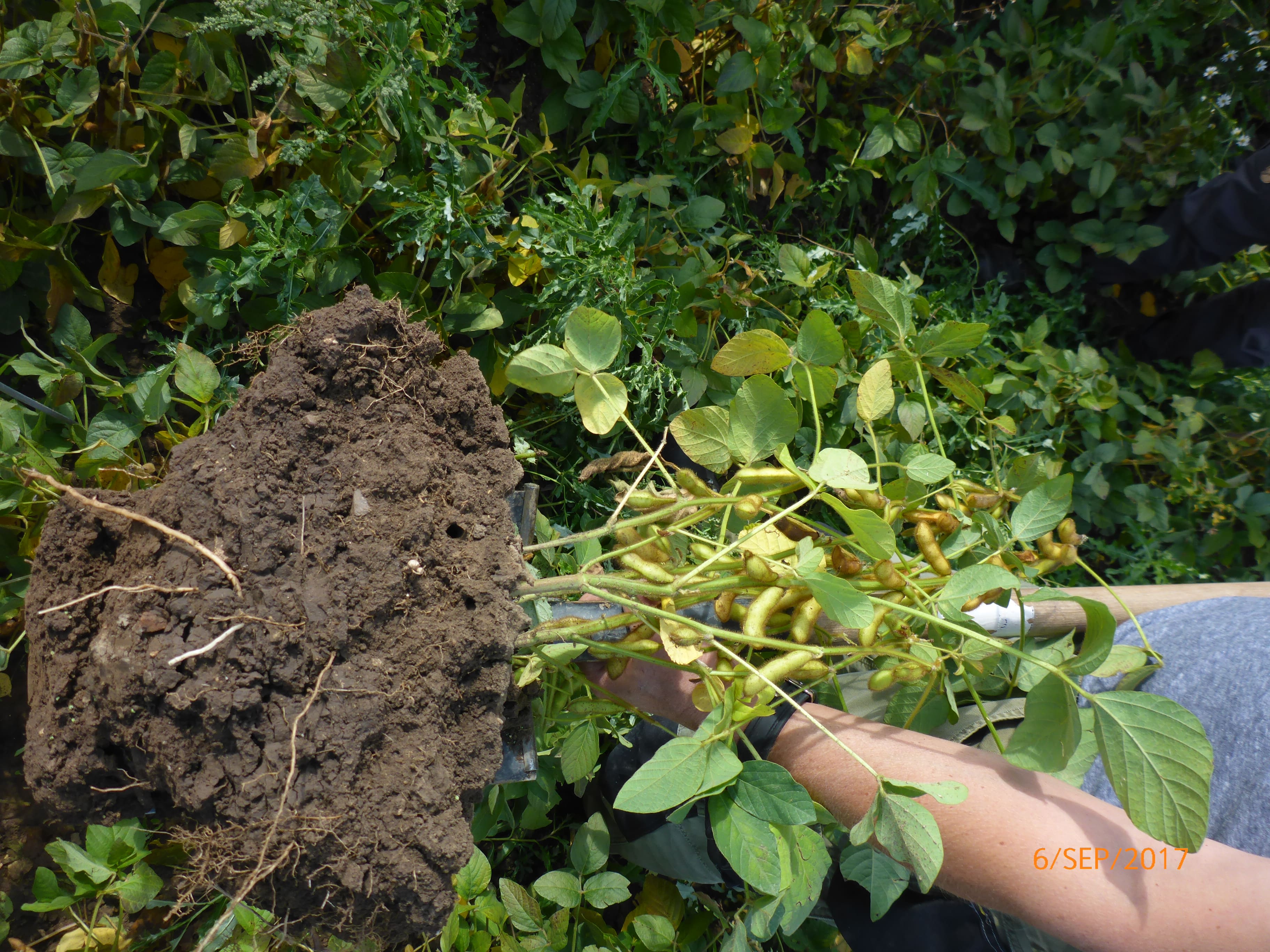
Improving Soil Structure: Boost Your Farm’s Resilience
by
Buse Soysal
Soil health & biology
Explainer
Sodium and Calcium Relationship: A Tale of Frenemies in the Soil

by
Buse Soysal
Nutrient interactions
Explainer
Calcium
Sodium
The Soil Office: Molybdenum and Nitrate's Tumultuous Relationship
by
Buse Soysal
Nutrient interactions
Explainer
Nitrogen
Molybdenum
The Delicate Dance: Achieving the Perfect Nitrogen Balance for Optimal Crop Productivity

by
Buse Soysal
Nutrient management & fertilization
Explainer
Nitrogen
Paving the Way for a Regenerative Future: Insights into the "Data Driven Regenerative Ag" Project

by
Buse Soysal
Regenerative & sustainable agriculture
Perspective / news
Unlocking Soil's Full Potential: The Pioneering Principles of Dr. William A. Albrecht

by
Buse Soysal
Soil health & biology
Explainer
The Benefits of Regenerative Agriculture for Human Health

by
Buse Soysal
Regenerative & sustainable agriculture
Explainer
Responsible Data Exchange in Agriculture

by
Buse Soysal
Data, AI & precision agriculture
Perspective / news
Responsible Fertilizer Use for Mitigating Drought

by
Buse Soysal
Nutrient management & fertilization
Explainer
The Power of Healthy Soil: for a Happy World Earth Day

by
Buse Soysal
Soil health & biology
Perspective / news
Crop Scouting for Regenerative Agriculture

by
Buse Soysal
Crop protection
Guide / how-to
Plantsap and Soil Analyses for Nitrogen Emission Reduction
by
Buse Soysal
Plant sap & tissue analysis
Explainer
Nitrogen
How do you use Plant Nutrition for Regenerative Agriculture?

by
Buse Soysal
Plant sap & tissue analysis
Guide / how-to
Profitability of Regenerative Agriculture and Transition Management

by
Buse Soysal
Regenerative & sustainable agriculture
Explainer
How can we use Data-Driven Farming for a Bright Future?

by
Buse Soysal
Data, AI & precision agriculture
Explainer
Plantsap Analysis for More Yield and Less Fertilizer

by
Buse Soysal
Plant sap & tissue analysis
Explainer