
Coffee research tracks how humidity and formulation affect foliar nutrient movement—and why uptake alone cannot prove a yield benefit.
This SoilBeat article draws on research by Vinicius Pires Rezende, Eduardo Santos, Gabriel Sgarbiero Montanha and colleagues, published in Journal of Soil Science and Plant Nutrition. The study findings are theirs; the practical interpretation below is SoilBeat’s. Read the original research.
Foliar micronutrients are often discussed as a simple application question: choose a source, hit the leaf, and correct the deficiency. The plant is more complicated. A dissolved nutrient must remain available on the leaf surface, cross the cuticle or another entry pathway, avoid being immobilized, move away from the application site, and reach tissue that needs it. Weather and formulation can affect every step.
A Brazilian study provides an unusually detailed view of that journey. Researchers followed manganese and zinc after a single foliar application to living coffee plants, comparing sulfate salts with histidine- and glutamate-based metal complexes under high and low relative humidity. Their measurements show that humidity mattered, but so did the amino-acid ligand, the element, the time after application, and whether the researchers measured the treated leaf, the petiole, or distant leaves.
The practical lesson is not that one complex should replace sulfate. The study did not measure coffee yield, quality, deficiency correction, or return on investment. Its stronger contribution is showing why foliar performance cannot be predicted from the nutrient analysis on the label alone.
Research finding
The experiment used six-month-old Coffea arabica ‘Catuaí Amarelo’ seedlings grown in sandy-loam soil at the University of São Paulo in Piracicaba, Brazil. Plants were moved into controlled chambers at 30°C and exposed to either 70–86% or 35–45% relative humidity.
The foliar solutions supplied manganese and zinc at the same concentrations in three chemical forms: conventional sulfate salts, a histidine-based complex, or a glutamate-based complex. The researchers also included water and amino-acid-only controls. All treatments contained the same wetting agent. One fully expanded leaf received a standardized 500-microliter spray on both surfaces, without visible runoff.
This design matters. Comparing equal metal concentrations helps isolate formulation effects. Protecting the petiole from spray contamination and repeatedly measuring the same marked petiole region helped distinguish external deposition from movement away from the treated blade.
The team used several X-ray fluorescence approaches. Micro-XRF mapped manganese and zinc on treated leaves at one and 168 hours. In vivo XRF monitored the same petiole over seven days. A separate 21-day experiment measured nutrient concentrations in treated, older, and younger leaves. Synchrotron imaging then examined how manganese and zinc were distributed between apoplastic and symplastic tissue regions. Most analyses used four independent biological replicates.
Under high humidity, the histidine complex produced the clearest short-distance response. Compared with the sulfate source, petiole manganese signals were 33% higher after 24 hours and 66% higher after 48 hours. Zinc signals were 88% and 113% higher at those same times. Under low humidity, the histidine complex still increased transport-related signals: zinc was 80% higher than sulfate at 168 hours.
The glutamate complex behaved differently. Under high humidity, it generated an early manganese signal and a later zinc response. Under low humidity, both elements peaked sharply at 96 hours, then converged toward other treatments. When signals were integrated across the full seven days, some apparent differences were no longer statistically significant. That is a useful warning: the sampling time can change the story.
Long-distance movement was also less straightforward than the short-term petiole signals. Amino-acid complexes increased local accumulation in treated leaves, but differences in older and younger leaves were often small or not statistically significant. Conventional sulfate produced the largest numerical manganese increase in the youngest leaves. Zinc movement toward the upper canopy remained limited across all sources.
Agronomic interpretation
Relative humidity affects the physical phase of a foliar spray. Under humid air, droplets dry more slowly, salts remain dissolved longer, the cuticle stays more hydrated, and stomata may remain more open. Under dry air, water evaporates rapidly. Sulfate salts can crystallize, diffusion can slow, and the window for penetration narrows.
That makes spray conditions part of the nutrient formulation. The same product and dose can face a different leaf surface at 40% versus 80% relative humidity. Temperature, wind, radiation, dew, leaf age, wax development, water quality, adjuvants, and tank-mix partners add further variation under field conditions.
The amino-acid ligands may also have influenced solubility and movement. Histidine and glutamate can coordinate divalent metals such as Mn2+ and Zn2+, potentially reducing free-metal activity and limiting precipitation or nonspecific binding. Inside the plant, this could help keep some metal in a transportable form, especially for zinc, which becomes less soluble as pH rises.
But the paper is careful about mechanism. It did not prove that the applied complexes crossed the cuticle and remained chemically intact through the apoplast, symplast, and vascular tissue. Ligand exchange, partial dissociation, and reassociation with organic acids, amino acids, or nicotianamine are plausible. The XRF results track elemental signals, not the unchanged identity of the original fertilizer molecule.
The tissue maps also showed that more manganese and zinc signal remained in the apoplast than the symplast. The apoplast can serve as a temporary reservoir, but it can also be a barrier. High concentration in a treated leaf is therefore not the same as delivery to a new leaf, reproductive tissue, or metabolic target.
Why it matters for foliar programs
The study separates four questions that are frequently collapsed into one:
1. Did the spray remain soluble and penetrate the leaf?
2. Did the nutrient move away from the application site?
3. Did it reach the tissue and cell compartment where it was needed?
4. Did that change crop performance enough to justify the application?
This experiment provides meaningful evidence for the first three, especially short-distance transport. It does not answer the fourth. The coffee seedlings were not visibly deficient before treatment, and researchers did not measure growth, yield, bean quality, deficiency correction, or economics.
Possible management implication
For field validation, the experimental unit should be the complete foliar program, not just the nutrient concentration. Record the chemical source, ligand, pH, adjuvant, water quality, tank mix, dose, spray volume, droplet coverage, crop stage, leaf surface, temperature, relative humidity, wind, and hours before rain. Those variables explain why the same nominal manganese or zinc dose can perform differently.
Sampling design also matters. A treated leaf can retain surface residue or locally accumulated nutrient without proving redistribution. Sampling a defined diagnostic tissue, keeping leaf position and crop stage consistent, and separating treated from newly developed tissue can improve interpretation. When foliar contamination is possible, use a documented washing and handling protocol.
Plant sap or tissue analysis can help monitor direction and timing, but neither should be treated as a standalone proof of agronomic value. The strongest evaluation connects plant measurements with deficiency symptoms, growth, yield or quality, field conditions, and the untreated comparison.
Recommendation
Established foliar principles support spraying when conditions favor droplet retention and uptake, avoiding rapid drying, runoff, incompatible tank mixes, and unnecessary applications to nutritionally adequate crops. This paper does not support a universal humidity threshold, amino-acid ligand, or product rate. It supports field testing formulations under documented conditions.
Limitations and unknowns
The work used young potted coffee plants, one cultivar, one controlled temperature, a single standardized application, and four biological replicates. Field canopies experience rapidly changing humidity, radiation, wind, leaf wetness, spray deposits, and source–sink relationships. The long-distance and short-distance experiments were independent, so their results cannot be linked replicate by replicate. Some XRF measurements were relative signals rather than absolute nutrient pools.
Most importantly, uptake and transport were not connected to yield, quality, fertilizer savings, or return on investment. A formulation that moves more zinc into a petiole may be agronomically useful, neutral, or unnecessary depending on the plant’s starting status and the actual limiting factor.
A SoilBeat perspective
Foliar nutrition becomes more interpretable when the application is connected to its context. Measure the starting plant status, capture the product and spray conditions, interpret the nutrient form and crop stage, act in a controlled comparison, and monitor the right tissue and commercial outcome.
The nutrient on the label is only the beginning. Foliar performance depends on what remains available on the leaf, what enters, what moves, and whether that movement changes the crop outcome that matters.
References
Vinicius Pires Rezende, Eduardo Santos, Gabriel Sgarbiero Montanha and colleagues (2026). Foliar Application of Mn and Zn Amino Acid Complexes in Coffee Plants: In Vivo XRF Monitoring under Contrasting Relative Humidity. Journal of Soil Science and Plant Nutrition.
AI-generated editorial illustration for SoilBeat. Conceptual imagery; not a photograph or figure from the study.

Written by
SoilBeat
Related
Other Articles.
Less mineral nitrogen, stronger reserves: reading a conservation field

by
Buse Soysal
Fertiliser
Organic fertilizer helped maize—but wheat needed a different plan

by
Buse Soysal
Fertiliser
Straw return builds soil carbon. What happens to emissions?

by
Buse Soysal
Fertiliser
Slurry Injection Saves Nitrogen But What Does It Cost Elsewhere?

by
Buse Soysal
Fertilizers
The New Global Fertilizer Map

by
Buse Soysal
Fertiliser
Fertilizers
Climate Change
Can Vetch Catch Crops Improve Greenhouse Vegetables and Reduce Fertilizer

by
Buse Soysal
Best Practices
Fertiliser
Nutrient Interactions
Soil Health
Turning lab report into a fertiliser recommendation

by
Buse Soysal
Fertiliser
Chloride: The Gatekeeper

by
Buse Soysal
Plantsap
Fertiliser
Nutrient Interactions
Sodium: The Opportunist
by
Buse Soysal
Plantsap
Fertiliser
Nutrient Interactions
Sulfur: The Finisher

by
Buse Soysal
Plantsap
Fertiliser
Nutrient Interactions
Unlocking Hidden Nutrients with Total Digestion Soil Tests
by
Buse Soysal
Zinc: The Coordinator
by
Buse Soysal
Plantsap
Fertiliser
Nutrient Interactions
How to Balance a High Bacterial to Fungal Ratio in your Soil

by
Buse Soysal
Soil Health
Magnesium: The Technician
by
Buse Soysal
Plantsap
Fertiliser
Nutrient Interactions
Iron: The Power Engineer

by
Buse Soysal
Plantsap
Fertiliser
Nutrient Interactions
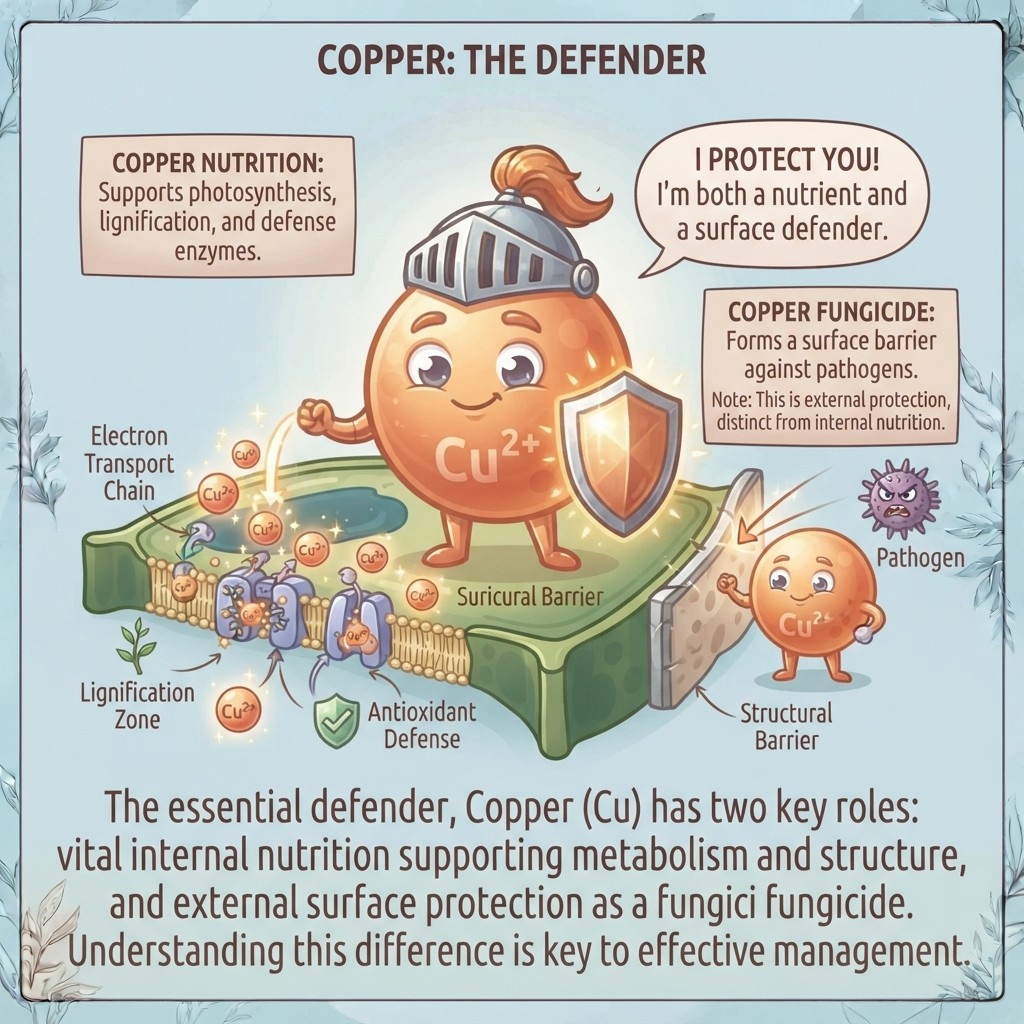
Copper: The Defender
by
Buse Soysal
Plantsap
Fertiliser
Nutrient Interactions
Molybdenum: The Facilitator

by
Buse Soysal
Plantsap
Fertiliser
Nutrient Interactions
Magnesium: The Unsung Hero of Photosynthesis

by
Buse Soysal
Nutrient Interactions
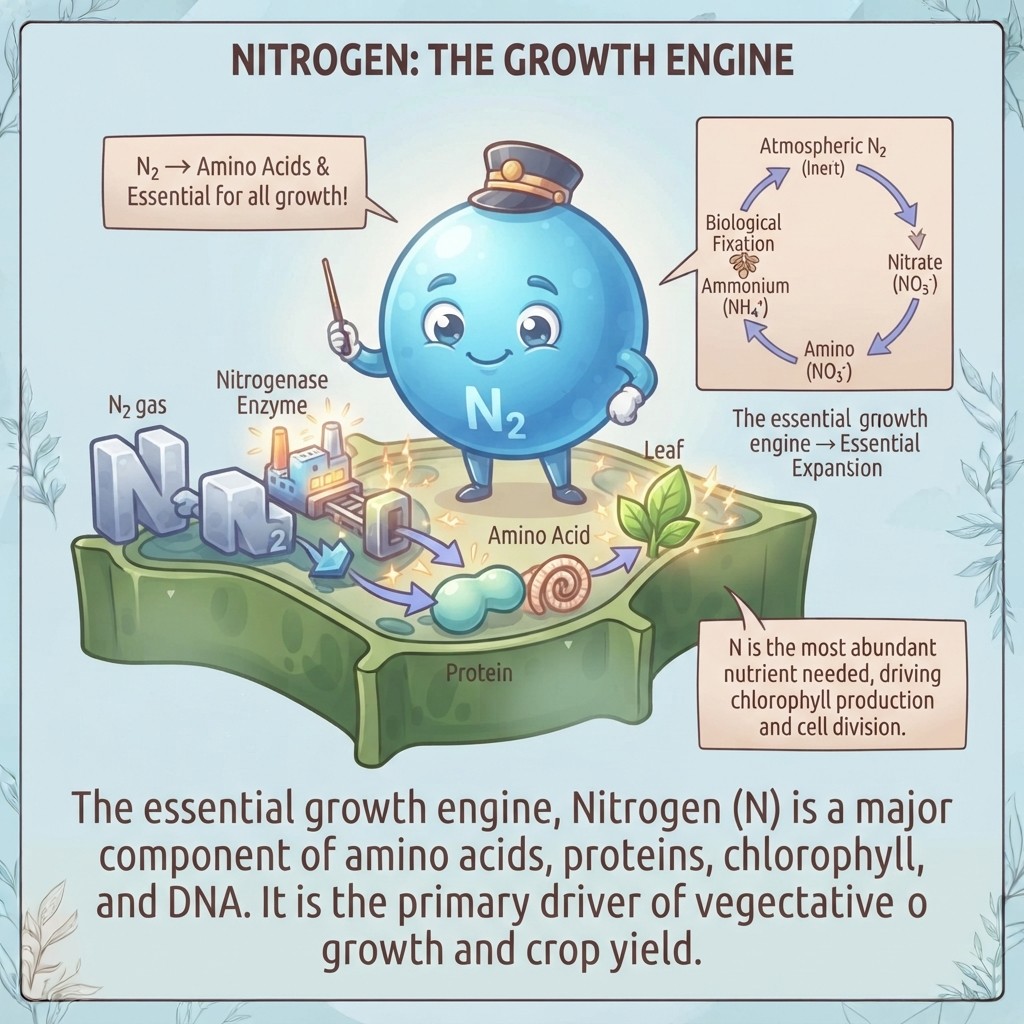
Nitrogen: The Builder
by
Buse Soysal
Plantsap
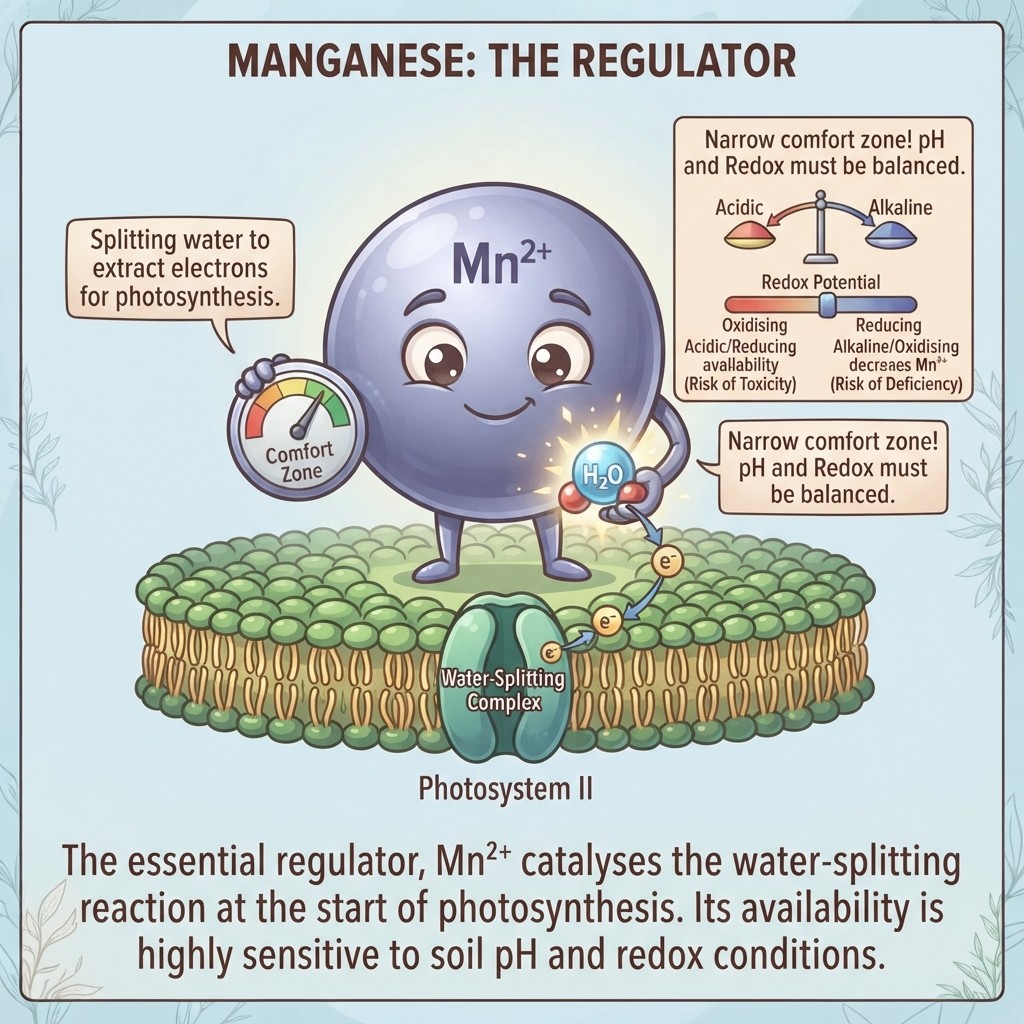
Manganese: The Regulator
by
Buse Soysal
Plantsap
Fertiliser
Nutrient Interactions
Unlocking Smarter Farming with Weather + Nutrient Analytics

by
Buse Soysal
Nutrient Interactions
Water Meets Nutrient Strategy

by
Buse Soysal
Nutrient Interactions
Boron: The Connector

by
Buse Soysal
Plantsap
Nutrient Interactions
Fertilizers
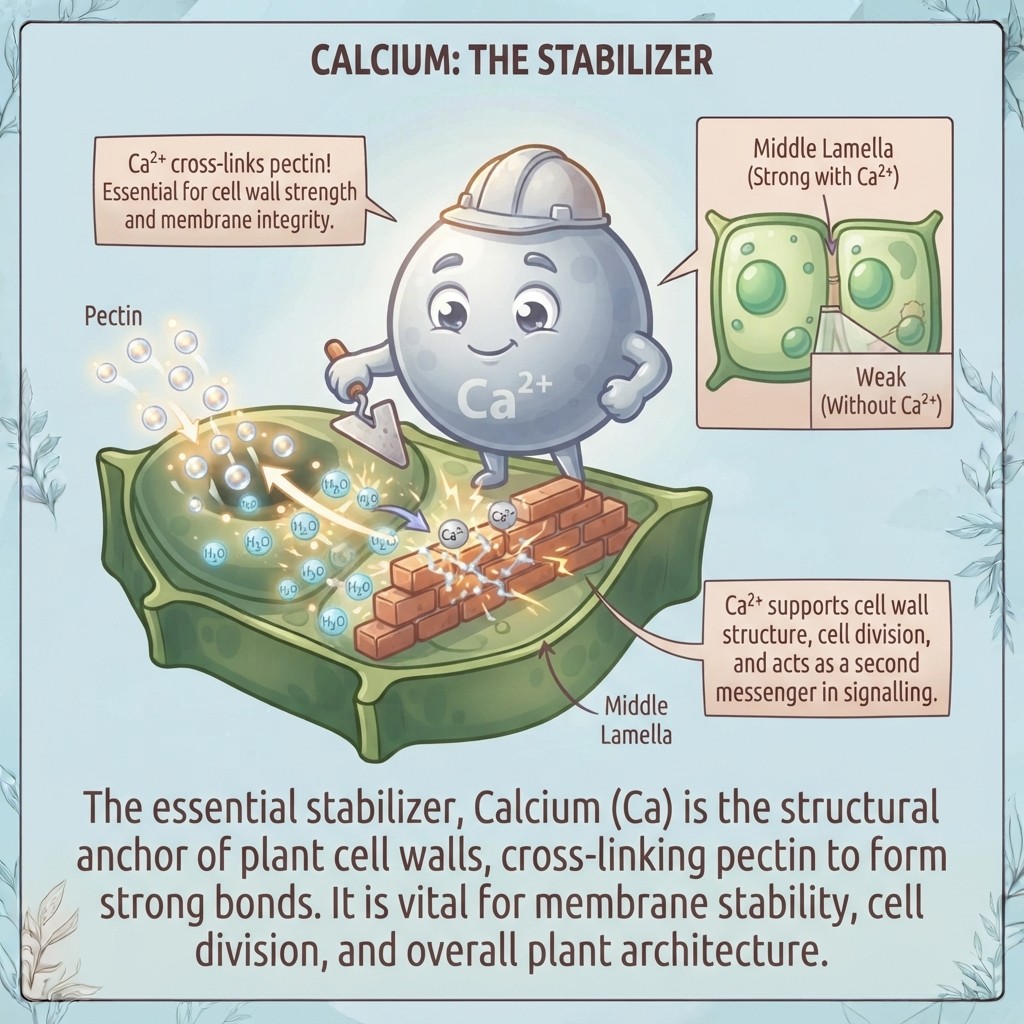
Calcium: The Architect
by
Buse Soysal
Plantsap
Fertiliser
Nutrient Interactions
Potassium: The Logistics Manager

by
Buse Soysal
Plantsap
Phosphorus: The Strategist
by
Buse Soysal
Plantsap
Unit Conversion Meets Crop Intelligence

by
Buse Soysal
Soil Testing
Soil Biology Testing—What Are Your Options?
by
Buse Soysal
Soil Testing
Predict Problems Before They Hit — The Power of Plant Sap Analysis
by
Buse Soysal
Data Analytics
Maximizing Cover Crop Benefits for Your Cash Crop

by
Buse Soysal
Nutrient Interactions
Calcium: The Overlooked Spring Powerhouse
by
Buse Soysal
Nutrient Interactions
Are fertilizer costs cutting into your bottom line?
by
Buse Soysal
Fertilizers
Advancing Precision Irrigation: Leveraging Technology for Sustainable Agriculture

by
Buse Soysal
Soil Health
Unlocking Agriculture’s Hidden Helpers: Microbial Genomics and the Data Challenge

by
Buse Soysal
The importance of microbial amendments: How to increase overall crop resilience

by
Buse Soysal
Soil Health
Unlocking Crop Potential: The Untapped Power of Plant Sap Analysis

by
Buse Soysal
RegenAg
Unlocking Carbon Credits: What Data Farmers Need to Track and How We Can Help

by
Buse Soysal
Data Analytics
Enhancing Weed Management: Leveraging Data Analytics for Sustainable Agriculture
by
Buse Soysal
Data Analytics
Elevating Crop Health with Brix Measurements: The Sweet Science of Plant Immunity

by
Buse Soysal
Soil Health
Nutrient Management and Disease Resistance: Unveiling the Hidden Connections Through Data Analytics

by
Buse Soysal
Base Saturation Balancing: Achieving the Ideal Ratio for Optimal Crop Production

by
Buse Soysal
Soil Health
How to Achieve Zero Excess Free Nitrates and Ammonium in Plant Sap Analysis

by
Buse Soysal
RegenAg
America's Buzzing Backbone: The Crucial Role of Migratory Beekeeping in U.S. Agriculture

by
Buse Soysal
Soil Health
Breaking Down Soil Biology Testing - Finding the ROI with PLFA Tests

by
Buse Soysal
Soil Testing
Precision Agriculture: Revolutionizing Farming, One Field at a Time

by
Buse Soysal
PrecisionAg
Ag101: What is the difference between organic and regenerative agriculture?
by
Buse Soysal
Soil Health
Your Favourite Beans are in Danger: Threats to Coffee & Chocolate Production
by
Buse Soysal
Soil Health
IPM Programs: Best of the Pest Prevention Measures

by
Buse Soysal
Pest & Disease
Wet Spring Issues - Why So Irreparable?

by
Buse Soysal
Nutrient Interactions
The Influence of Nutrient Applications on Post Harvest
by
Buse Soysal
Nutrient Interactions
Orange Juice in Danger: The Threat of HLB Disease

by
Buse Soysal
Soil Health
California Dreaming: The Issue with Almond Production

by
Buse Soysal
Sight Unseen: Zinc Deficiency in Soil

by
Buse Soysal
Nutrient Interactions
Battle Beneath: Understanding Calcium - Potassium Antagonism in Soil

by
Buse Soysal
Nutrient Interactions
The Plant Kingdom's Power Couple: Nitrogen and Sulfur's Synergistic Symphony

by
Buse Soysal
Nutrients for Beginners
Increase Drought Tolerance With This Commonly Missed Micronutrient

by
Buse Soysal
Climate Change
Digging Deeper: The Great Soil Analysis Debate for Regenerative Agriculture

by
Buse Soysal
Soil Health
Ammonium vs Calcium: The Nutrient Balancing Act for Thriving Plants

by
Buse Soysal
Nutrient Interactions
Improving Soil Structure: Boost Your Farm’s Resilience
by
Buse Soysal
Soil Health
Sodium and Calcium Relationship: A Tale of Frenemies in the Soil

by
Buse Soysal
Nutrient Interactions
The Soil Office: Molybdenum and Nitrate's Tumultuous Relationship
by
Buse Soysal
Nutrient Interactions
The Delicate Dance: Achieving the Perfect Nitrogen Balance for Optimal Crop Productivity

by
Buse Soysal
Nutrient Interactions
Paving the Way for a Regenerative Future: Insights into the "Data Driven Regenerative Ag" Project

by
Buse Soysal
RegenAg
Unlocking Soil's Full Potential: The Pioneering Principles of Dr. William A. Albrecht

by
Buse Soysal
Soil Health
The Benefits of Regenerative Agriculture for Human Health

by
Buse Soysal
RegenAg
Responsible Data Exchange in Agriculture

by
Buse Soysal
Data Analytics
Responsible Fertilizer Use for Mitigating Drought

by
Buse Soysal
Climate Change
The Power of Healthy Soil: for a Happy World Earth Day

by
Buse Soysal
Soil Health
Crop Scouting for Regenerative Agriculture

by
Buse Soysal
RegenAg
Plantsap and Soil Analyses for Nitrogen Emission Reduction

by
Buse Soysal
RegenAg
How do you use Plant Nutrition for Regenerative Agriculture?

by
Buse Soysal
RegenAg
Profitability of Regenerative Agriculture and Transition Management

by
Buse Soysal
RegenAg
How can we use Data-Driven Farming for a Bright Future?
by
Buse Soysal
Data Analytics
Plantsap Analysis for More Yield and Less Fertilizer

by
Buse Soysal
RegenAg