
Boron: The Connector
Boron is required in very small amounts, but its influence on plant growth is much greater than the quantity present in the plant might suggest. It is especially important in tissues that are being built rapidly, such as root tips, growing shoots, young leaves, flowers, pollen tubes and developing fruit.
One of boron’s most important jobs is helping the plant construct strong, well-organised cell walls. Within the cell wall, boron forms cross-links between specific pectin molecules. These connections help neighbouring cells hold together properly and give newly developing tissue the strength and flexibility it needs to continue growing.
This is why “The Connector” is a useful way to think about boron. It helps create connections within plant structure, but its importance goes beyond physical strength. Good boron nutrition is also closely associated with successful flowering, pollen development, fruit set, root growth and the healthy development of growing points.
Boron is therefore a small nutrient with a very precise job. When supply is balanced, it is easy to overlook. When supply is either too low or too high, the consequences can become surprisingly severe.
Boron’s personality: precise, essential and unforgiving
If boron had a personality, it would be the precision engineer in the nutrient team.
Boron does not need to be present in large quantities. Instead, it needs to be available in the right amount, in the right place and at the right time.
That precision is its greatest strength, but also its greatest weakness.
Unlike nutrients where the crop may tolerate a relatively broad range between deficiency and excess, boron can have a comparatively narrow safety margin. A crop may move from inadequate supply to excessive supply much more quickly than a grower expects.
This makes boron a nutrient that responds poorly to the idea that “if a little is good, more must be better.”
With boron, balance matters more than quantity.
Boron’s greatest strength: supporting new growth
Boron becomes especially important wherever the plant is actively producing new cells.
Growing points, root tips, flowers and young fruit are all highly dependent on the formation of new cell walls. If boron supply cannot keep pace with this growth, these tissues can lose structural organisation.
That is why boron deficiency often looks less like a simple colour change and more like a developmental problem.
The plant may continue to have green older leaves while the newest growth becomes distorted, brittle or stops developing altogether.
Boron also has a particularly important role during reproduction. Pollen germination and pollen-tube growth depend on adequate boron supply, which means that a crop can appear reasonably healthy vegetatively but still suffer from poor flowering, weak fertilisation or reduced fruit and seed set.
For growers of fruiting crops, this reproductive role can make boron important well before visible deficiency symptoms become obvious.
Boron’s weakness: it is difficult to redistribute
One of the biggest challenges with boron is getting it to the parts of the plant that need it most.
In many crops, boron moves mainly upward with water through the xylem. This means that its transport is closely linked with root uptake and the transpiration stream.
Older leaves may transpire strongly and receive plenty of boron, while a young growing point, flower or developing fruit may receive much less.
This creates an important practical risk: the plant can contain boron without necessarily supplying enough boron to its most sensitive tissues.
In crops where boron has poor phloem mobility, the plant cannot simply take boron stored in an old leaf and redistribute it efficiently to a new flower or growing point.
However, this is not true for every crop.
Some plants transport significant quantities of sugar alcohols such as sorbitol or mannitol. Boron can bind to these compounds and move with them through the phloem. This happens in several important fruit crops, including apple and pear.
For that reason, statements such as “boron is immobile in the plant” are too simplistic. Boron mobility depends strongly on the crop.
Boron and calcium: two structural specialists
Calcium is probably boron’s most important structural ally, but their relationship is often explained incorrectly.
Boron does not simply carry calcium into the plant, nor does boron literally attach calcium to the cell wall.
Instead, the two nutrients perform different but complementary structural jobs.
Calcium helps stabilise cell walls and cell membranes. Within the cell wall it contributes to the organisation of pectin, while also playing an important role in membrane stability and cellular signalling.
Boron works elsewhere within the pectin network, forming cross-links between specific molecules known as RG-II.
A useful way to picture the relationship is to imagine two engineers working on the same building. Calcium provides stability and reinforcement, while boron helps connect and organise important parts of the framework.
If either nutrient is missing, the structure can weaken.
This explains why calcium and boron deficiencies can sometimes create similar symptoms in rapidly growing tissues: damaged growing points, weak roots, poor flower development and reduced fruit quality.
Their relationship is therefore best described as functional cooperation, rather than saying that one nutrient transports or controls the other.
Boron’s allies
Boron works best when the wider plant system is functioning properly.
Calcium is its closest structural partner because both nutrients are heavily involved in healthy cell walls, membranes and growing tissues.
Water and active roots are also crucial allies. In crops where boron moves mainly in the xylem, consistent water movement from the root system helps maintain the continuous supply needed by young tissues.
Balanced potassium nutrition also matters indirectly. Potassium is a major driver of plant water relations and phloem function. Boron should not be described as the main nutrient responsible for sugar transport; potassium has the much stronger direct role there. However, healthy source-to-sink functioning helps reproductive tissues develop normally.
Healthy photosynthesis and carbohydrate production also support the tissues where boron is needed most. Boron cannot compensate for a plant that is short of energy, water or other essential nutrients.
What works against boron?
Boron does not have a single “enemy” nutrient in the same way that very high potassium can strongly suppress magnesium, but several conditions can make boron nutrition much more difficult.
Dry soil is one of the most important. Boron reaches the root largely through the soil solution, so prolonged dry conditions can sharply reduce uptake even when the soil contains measurable boron.
Restricted root activity can create the same problem. Compaction, poor aeration, root disease, cold soils or damaged roots can all reduce the plant’s ability to maintain a continuous boron supply.
High soil pH, particularly after heavy liming, can reduce boron availability in many soils.
Rapid growth can also create a functional shortage. If vegetative or reproductive tissues are expanding faster than boron is being supplied, the concentration within those tissues can fall even without an obvious lack of boron in the soil.
This is one reason boron should be interpreted in the context of plant growth rate rather than from a single concentration alone.
What happens when boron is too low?
Boron deficiency damages the tissues that are actively growing first.
Because cell-wall development and reproductive growth are affected, the symptoms can be quite different from the classic yellowing associated with deficiencies such as nitrogen or magnesium.
Typical warning signs can include:
• Death or damage of the growing point, sometimes followed by excessive side shoots or a bushy appearance.
• Young leaves that are distorted, thickened, brittle or poorly expanded.
• Shortened internodes and compressed new growth.
• Poor root development, particularly damaged or dying root tips.
• Weak flowering, poor pollen viability or poor pollen-tube development, which can lead to reduced fertilisation.
• Poor fruit or seed set, even when the crop appears reasonably healthy vegetatively.
• Cracking, corkiness, internal browning or malformed fruit or storage organs in susceptible crops.
• Hollow or damaged internal tissues in some vegetables and root crops.
The exact symptom varies greatly between crops, which is why field observation should always be combined with sap analysis and knowledge of the specific crop.
An important point for growers is that reproductive failure may occur before a dramatic foliar deficiency becomes visible.
By the time a growing point has died or fruit has become visibly corky or cracked, the opportunity to prevent that damage may already have passed.
What happens when boron is too high?
Excess boron creates a very different problem.
Because the plant requires such a small amount, repeated applications or naturally high boron in irrigation water or soil can push the crop beyond its optimum range.
In many crops with restricted phloem mobility, excess boron tends to accumulate in tissues receiving the strongest transpiration flow. This means toxicity frequently appears first in older leaves and along leaf margins or tips.
Typical visual symptoms include:
• Yellowing at the leaf tips or margins.
• Brown or scorched leaf edges as toxicity progresses.
• Necrotic spots or patches, often beginning toward the outer edge of older leaves.
• Premature leaf ageing or leaf drop under more severe toxicity.
• Reduced root growth and overall crop vigour when concentrations become sufficiently high.
• In severe cases, reduced photosynthesis, poor yield and impaired fruit quality.
The distribution of symptoms can differ in crops where boron is more mobile in the phloem, so crop-specific knowledge remains important.
The key management lesson is that a boron deficiency does not justify an aggressive correction. Correcting too far can replace one problem with another.
Boron imbalance: when the number is not the whole story
A boron problem is not always simply “low B” or “high B.”
The plant may have enough boron overall but still fail to deliver it to the tissue where it is most needed.
For example, an old leaf may contain adequate boron while the growing point is deficient because boron cannot be efficiently remobilised.
A rapid flush of new growth may dilute boron concentrations faster than roots can replenish them.
A dry period may interrupt uptake during a critical flowering stage.
Or boron may be adequate while calcium supply is simultaneously poor, leaving the plant with two weaknesses affecting the same rapidly developing tissues.
For this reason, boron should always be interpreted as part of a system rather than as a standalone number.
Reading boron in plant sap analysis
Plant sap analysis is particularly useful for boron because it allows growers to compare nutrient levels in young and old plant tissue.
In crops where boron has limited phloem mobility, the young leaf deserves particular attention. An adequate concentration in old tissue does not necessarily mean that the growing point is sufficiently supplied.
When boron is low in young tissue, investigate the wider situation before automatically increasing the application rate.
Look at:
• Calcium status, because Ca and B both influence the integrity of new tissue.
• Young versus old leaf boron, particularly in crops with low B mobility.
• Soil moisture and irrigation consistency, because boron uptake can fall quickly when the soil dries.
• Root health and activity, including compaction, oxygen availability and root disease.
• Soil and root-zone pH, especially where liming may have changed boron availability.
• Crop growth rate, because fast-growing tissues can create a temporary high demand.
• Flowering and fruit set, which may reveal boron stress before strong leaf symptoms develop.
• Irrigation-water boron, particularly where repeated water applications may create gradual accumulation and toxicity.
The value of plant sap analysis is therefore not simply identifying whether boron is above or below a target. The real value lies in understanding where the boron is, whether it is reaching new growth, and how the boron result fits with calcium, water relations, root activity and crop stage.
The practical lesson
Boron is not a nutrient to push aggressively. It is a nutrient to manage precisely.
Too little boron weakens the plant exactly where growth is most sensitive: root tips, shoot tips, flowers and developing fruit.
Too much boron can damage leaves, roots and overall crop performance.
The goal is therefore a small, continuous and balanced supply that matches the rate of new tissue formation.
That is what makes Boron “The Connector.”
Its contribution may be measured in tiny quantities, but many of the plant’s most important structures and reproductive processes depend on those connections being made correctly.
This blog is part of SoilBeat’s Plant Sap Nutrient Series, created through the SNN project with co-financing from the European Union and Samenwerkingsverband Noord-Nederland (SNN).

Written by
Buse Soysal
Related
Other Articles.
Slurry Injection Saves Nitrogen But What Does It Cost Elsewhere?

by
Buse Soysal
Best Practices
Nutrient Interactions
Soil Health
Fertilizers
Soil Testing
PrecisionAg
The New Global Fertilizer Map

by
Buse Soysal
Fertiliser
Fertilizers
Data Analytics
Climate Change
Can Vetch Catch Crops Improve Greenhouse Vegetables and Reduce Fertilizer

by
Buse Soysal
Best Practices
Fertiliser
Nutrient Interactions
Soil Health
Chloride: The Gatekeeper

by
Buse Soysal
Plantsap
Fertiliser
Nutrient Interactions
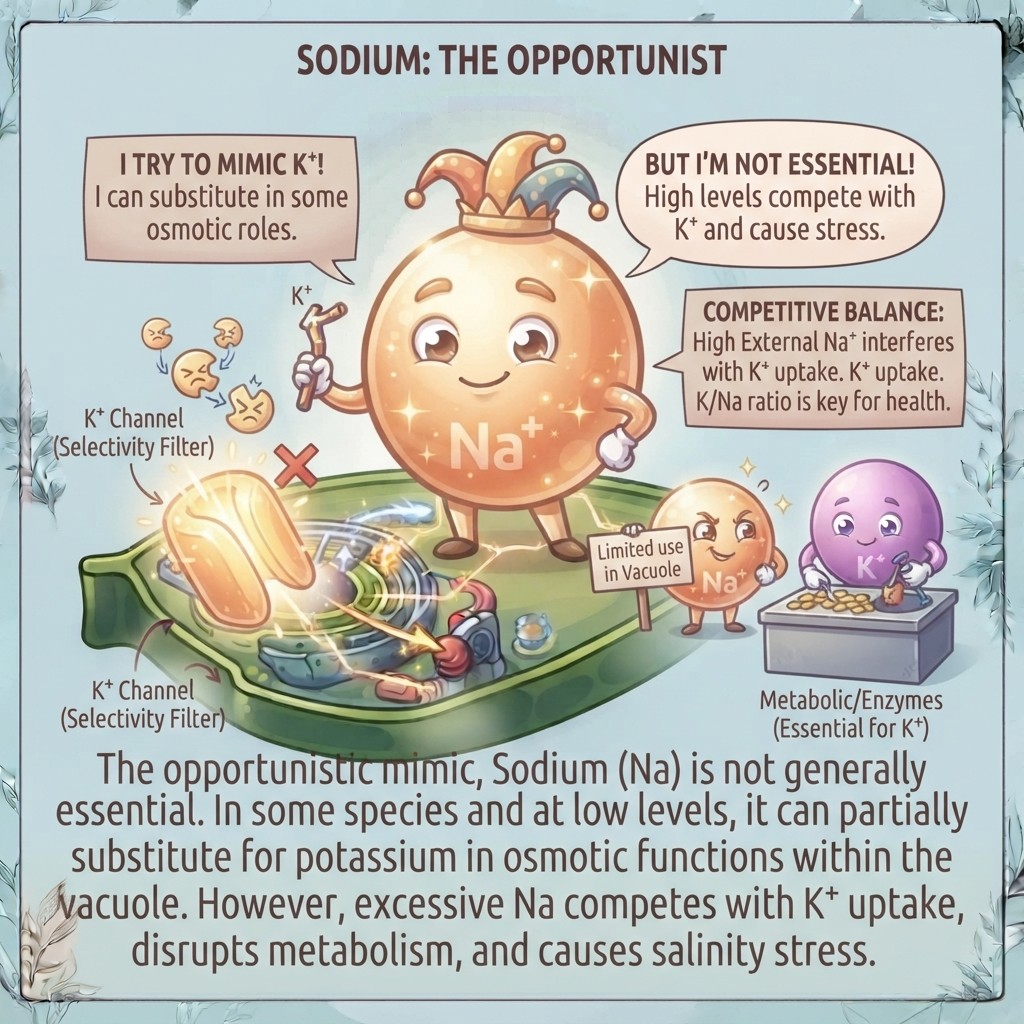
Sodium: The Opportunist
by
Buse Soysal
Plantsap
Fertiliser
Nutrient Interactions
Sulfur: The Finisher

by
Buse Soysal
Plantsap
Fertiliser
Nutrient Interactions
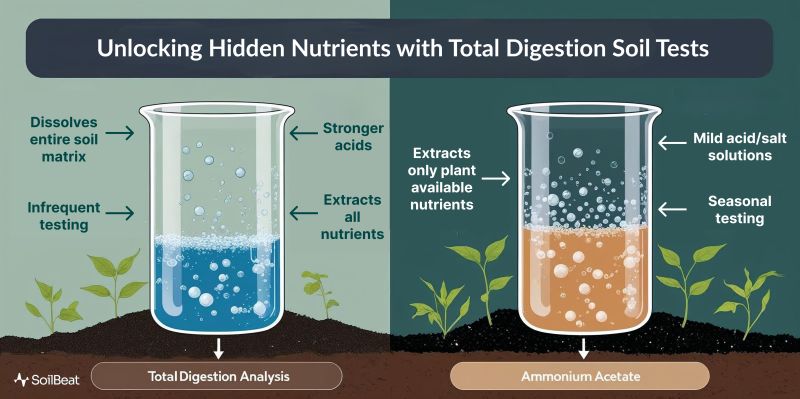
Unlocking Hidden Nutrients with Total Digestion Soil Tests
by
Buse Soysal
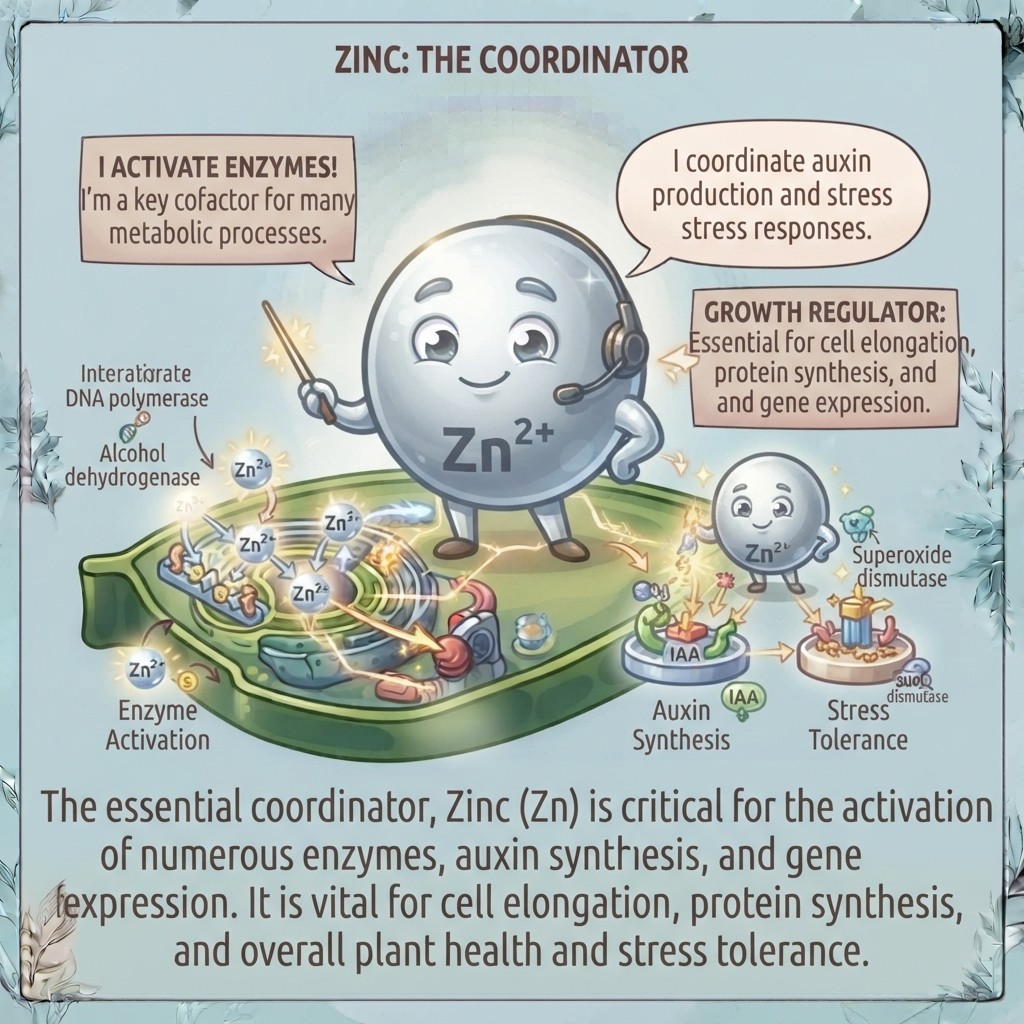
Zinc: The Coordinator
by
Buse Soysal
Plantsap
Fertiliser
Nutrient Interactions
How to Balance a High Bacterial to Fungal Ratio in your Soil

by
Buse Soysal
Soil Health
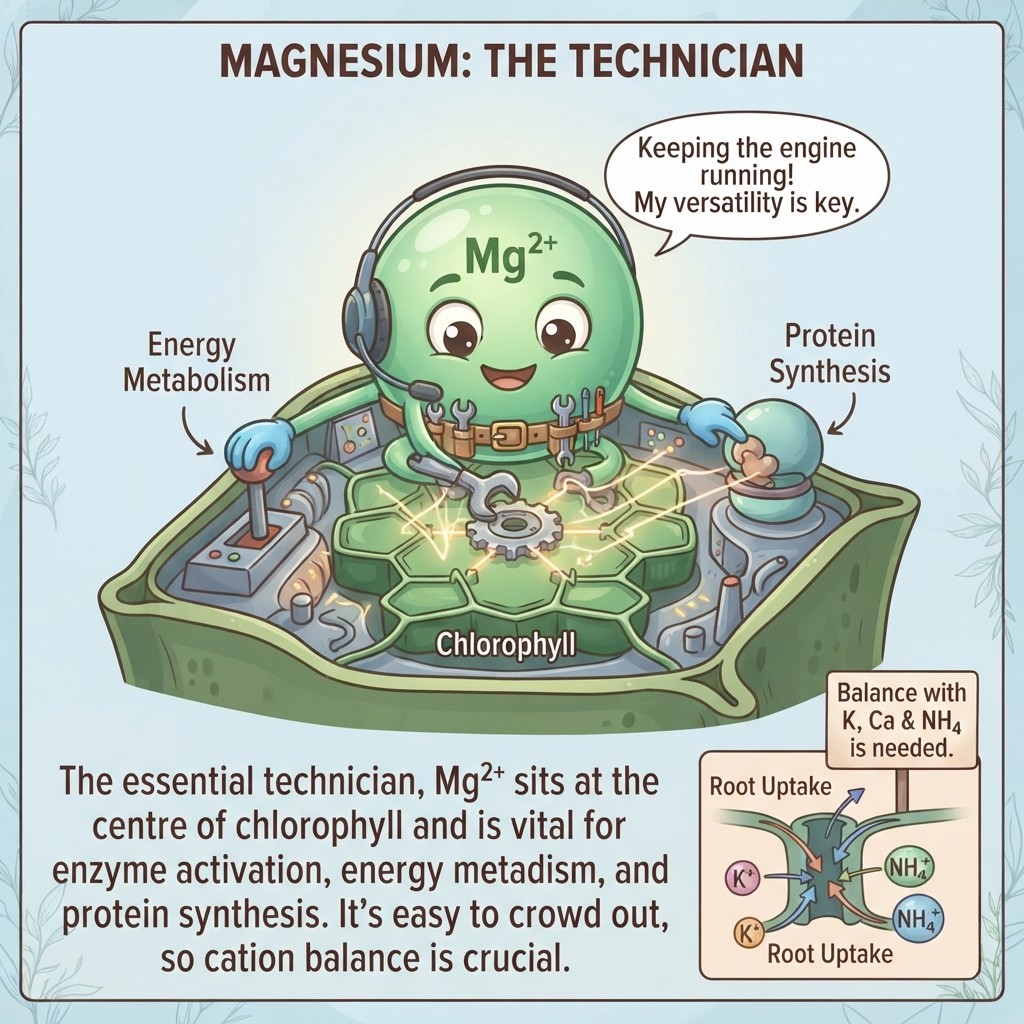
Magnesium: The Technician
by
Buse Soysal
Plantsap
Fertiliser
Nutrient Interactions
Iron: The Power Engineer

by
Buse Soysal
Plantsap
Fertiliser
Nutrient Interactions
Copper: The Defender
by
Buse Soysal
Plantsap
Fertiliser
Nutrient Interactions
Molybdenum: The Facilitator

by
Buse Soysal
Plantsap
Fertiliser
Nutrient Interactions
Magnesium: The Unsung Hero of Photosynthesis
by
Buse Soysal
Nutrient Interactions
Nitrogen: The Builder
by
Buse Soysal
Plantsap
Manganese: The Regulator

by
Buse Soysal
Plantsap
Fertiliser
Nutrient Interactions
Unlocking Smarter Farming with Weather + Nutrient Analytics

by
Buse Soysal
Nutrient Interactions
Water Meets Nutrient Strategy

by
Buse Soysal
Nutrient Interactions
Calcium: The Architect
by
Buse Soysal
Plantsap
Fertiliser
Nutrient Interactions
Potassium: The Logistics Manager

by
Buse Soysal
Plantsap
Phosphorus: The Strategist
by
Buse Soysal
Plantsap
Unit Conversion Meets Crop Intelligence

by
Buse Soysal
Soil Testing
Soil Biology Testing—What Are Your Options?
by
Buse Soysal
Soil Testing
Predict Problems Before They Hit — The Power of Plant Sap Analysis
by
Buse Soysal
Data Analytics
Maximizing Cover Crop Benefits for Your Cash Crop

by
Buse Soysal
Nutrient Interactions
Calcium: The Overlooked Spring Powerhouse
by
Buse Soysal
Nutrient Interactions
Are fertilizer costs cutting into your bottom line?
by
Buse Soysal
Fertilizers
Advancing Precision Irrigation: Leveraging Technology for Sustainable Agriculture

by
Buse Soysal
Soil Health
Unlocking Agriculture’s Hidden Helpers: Microbial Genomics and the Data Challenge

by
Buse Soysal
The importance of microbial amendments: How to increase overall crop resilience

by
Buse Soysal
Soil Health
Unlocking Crop Potential: The Untapped Power of Plant Sap Analysis

by
Buse Soysal
RegenAg
Unlocking Carbon Credits: What Data Farmers Need to Track and How We Can Help

by
Buse Soysal
Data Analytics
Enhancing Weed Management: Leveraging Data Analytics for Sustainable Agriculture
by
Buse Soysal
Data Analytics
Elevating Crop Health with Brix Measurements: The Sweet Science of Plant Immunity

by
Buse Soysal
Soil Health
Nutrient Management and Disease Resistance: Unveiling the Hidden Connections Through Data Analytics

by
Buse Soysal
Base Saturation Balancing: Achieving the Ideal Ratio for Optimal Crop Production

by
Buse Soysal
Soil Health
How to Achieve Zero Excess Free Nitrates and Ammonium in Plant Sap Analysis

by
Buse Soysal
RegenAg
America's Buzzing Backbone: The Crucial Role of Migratory Beekeeping in U.S. Agriculture

by
Buse Soysal
Soil Health
Breaking Down Soil Biology Testing - Finding the ROI with PLFA Tests

by
Buse Soysal
Soil Testing
Precision Agriculture: Revolutionizing Farming, One Field at a Time

by
Buse Soysal
PrecisionAg
Ag101: What is the difference between organic and regenerative agriculture?
by
Buse Soysal
Soil Health
Your Favourite Beans are in Danger: Threats to Coffee & Chocolate Production
by
Buse Soysal
Soil Health
IPM Programs: Best of the Pest Prevention Measures

by
Buse Soysal
Pest & Disease
Wet Spring Issues - Why So Irreparable?

by
Buse Soysal
Nutrient Interactions
The Influence of Nutrient Applications on Post Harvest
by
Buse Soysal
Nutrient Interactions
Orange Juice in Danger: The Threat of HLB Disease

by
Buse Soysal
Soil Health
California Dreaming: The Issue with Almond Production

by
Buse Soysal
Sight Unseen: Zinc Deficiency in Soil

by
Buse Soysal
Nutrient Interactions
Battle Beneath: Understanding Calcium - Potassium Antagonism in Soil

by
Buse Soysal
Nutrient Interactions
The Plant Kingdom's Power Couple: Nitrogen and Sulfur's Synergistic Symphony

by
Buse Soysal
Nutrients for Beginners
Increase Drought Tolerance With This Commonly Missed Micronutrient

by
Buse Soysal
Climate Change
Digging Deeper: The Great Soil Analysis Debate for Regenerative Agriculture

by
Buse Soysal
Soil Health
Ammonium vs Calcium: The Nutrient Balancing Act for Thriving Plants

by
Buse Soysal
Nutrient Interactions
Improving Soil Structure: Boost Your Farm’s Resilience
by
Buse Soysal
Soil Health
Sodium and Calcium Relationship: A Tale of Frenemies in the Soil

by
Buse Soysal
Nutrient Interactions
The Soil Office: Molybdenum and Nitrate's Tumultuous Relationship
by
Buse Soysal
Nutrient Interactions
The Delicate Dance: Achieving the Perfect Nitrogen Balance for Optimal Crop Productivity

by
Buse Soysal
Nutrient Interactions
Paving the Way for a Regenerative Future: Insights into the "Data Driven Regenerative Ag" Project

by
Buse Soysal
RegenAg
Unlocking Soil's Full Potential: The Pioneering Principles of Dr. William A. Albrecht

by
Buse Soysal
Soil Health
The Benefits of Regenerative Agriculture for Human Health

by
Buse Soysal
RegenAg
Responsible Data Exchange in Agriculture

by
Buse Soysal
Data Analytics
Responsible Fertilizer Use for Mitigating Drought

by
Buse Soysal
Climate Change
The Power of Healthy Soil: for a Happy World Earth Day

by
Buse Soysal
Soil Health
Crop Scouting for Regenerative Agriculture
by
Buse Soysal
RegenAg
Plantsap and Soil Analyses for Nitrogen Emission Reduction

by
Buse Soysal
RegenAg
How do you use Plant Nutrition for Regenerative Agriculture?

by
Buse Soysal
RegenAg
Profitability of Regenerative Agriculture and Transition Management

by
Buse Soysal
RegenAg
How can we use Data-Driven Farming for a Bright Future?
by
Buse Soysal
Data Analytics
Plantsap Analysis for More Yield and Less Fertilizer

by
Buse Soysal
RegenAg