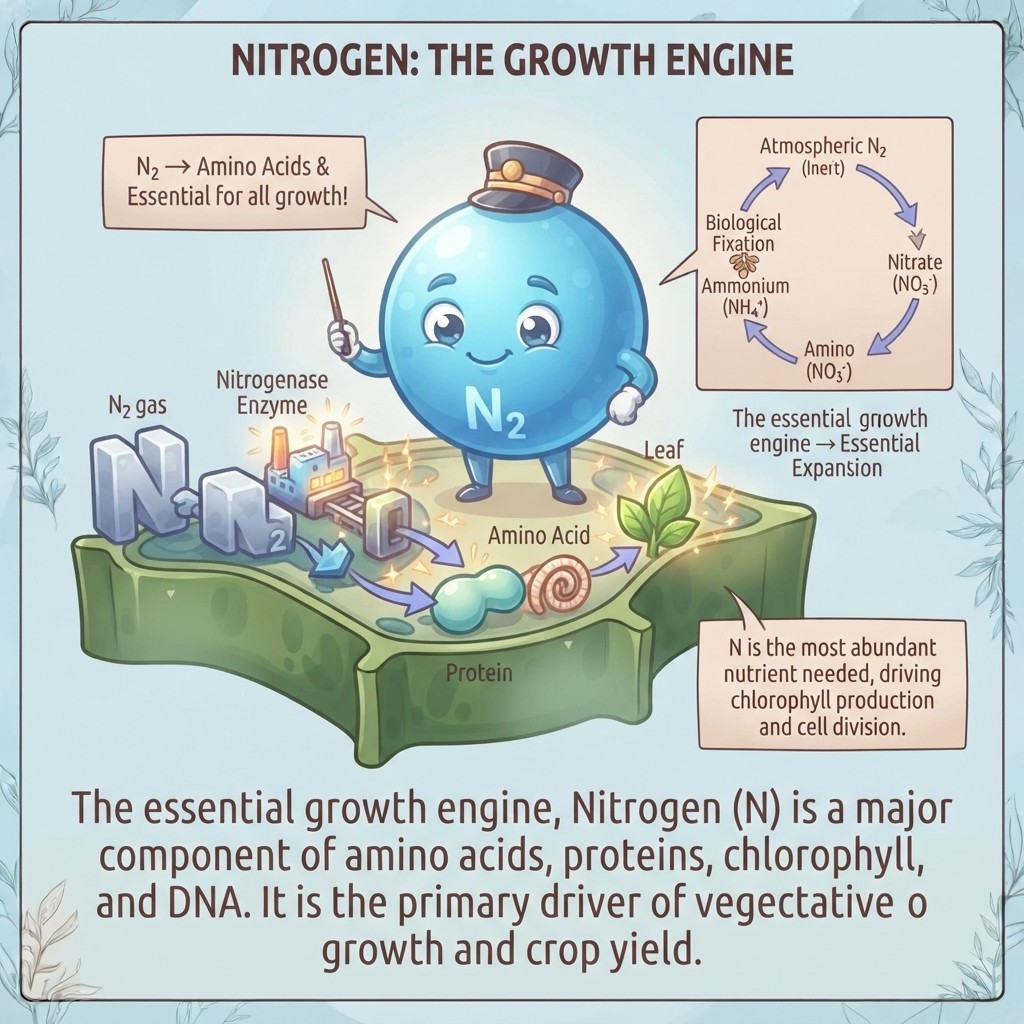
Nitrogen is one of the main nutrients controlling the productive capacity of a crop. It is incorporated into amino acids, proteins, enzymes, nucleic acids and chlorophyll, which means that almost every process associated with growth depends on an adequate nitrogen supply.
That makes nitrogen extraordinarily powerful. It also makes nitrogen easy to misuse.
A crop supplied with too little nitrogen lacks the raw material to build productive leaf area and photosynthetic machinery. A crop supplied with more nitrogen than it can efficiently assimilate may continue producing lush vegetative growth without converting that nitrogen efficiently into functional proteins and high-quality tissue.
The objective is therefore not to maximise nitrogen concentration. It is to maximise nitrogen conversion.
Nitrogen's personality and its relationships
Think of nitrogen as an ambitious builder. It is highly productive, growth-oriented and always ready to expand the project.
Its strength is speed. Give nitrogen favourable conditions and the plant can rapidly produce leaves, shoots and new biomass.
Its weakness is that it cannot complete the project alone.
Sulfur is nitrogen's finishing specialist. Nitrogen can provide the raw material for amino acids, but sulfur is required to produce sulfur-containing amino acids such as cysteine and methionine. If sulfur supply falls behind nitrogen supply, nitrate and other non-protein forms of nitrogen can accumulate while protein synthesis becomes less efficient.
Molybdenum is the gatekeeper when nitrogen enters the plant as nitrate. The nitrate-reductase enzyme requires molybdenum. Without sufficient Mo, the first step in nitrate reduction becomes restricted.
Iron works one step further downstream because nitrite reduction also depends on iron-containing enzyme systems.
Magnesium is part of the technical team. It is central to chlorophyll and is required for numerous enzyme, ATP and protein-synthesis processes. A plant cannot make efficient use of nitrogen if its photosynthetic machinery is not generating sufficient energy and carbon skeletons.
Phosphorus supplies much of the energy infrastructure. Nitrogen assimilation is energy demanding, and adequate P nutrition supports ATP-dependent metabolism.
Potassium runs the logistics network. K contributes to nitrate transport, ionic balance, photosynthesis and movement of assimilates. Adequate K is therefore important for efficient nitrogen use.
The builder becomes problematic when nitrogen outruns this entire support team. More nitrogen does not solve a sulfur, molybdenum, magnesium or energy problem. It can simply produce a larger backlog of nitrogen waiting to be converted.
The agronomy behind these relationships
Plants acquire much of their inorganic nitrogen as nitrate and ammonium. Nitrate must first be reduced to nitrite by nitrate reductase and then to ammonium before the nitrogen can be incorporated into amino acids. Molybdenum is required for nitrate reductase, while nitrite reductase contains iron-dependent components. Assimilation subsequently connects nitrogen metabolism very closely with carbon, sulfur and energy metabolism.
Nitrogen and sulfur metabolism are particularly closely coordinated. Sulfur deficiency can decrease nitrate assimilation and lead to accumulation of non-protein nitrogen forms.
Nitrogen and phosphorus frequently show a positive interaction because vigorous growth requires both nutrients, while nitrogen supply can stimulate root growth and phosphorus acquisition.
Potassium is similarly important to nitrogen efficiency because of its contribution to nitrate transport, membrane potential, phloem function and carbohydrate movement.
The form of nitrogen matters as well. Excessive ammonium can compete with other cations and contribute to lower potassium, calcium or magnesium uptake. Nitrate and ammonium can also have opposite effects on rhizosphere pH.
What should a grower look for in plant sap?
Do not interpret total nitrogen in isolation.
Look at nitrate-N, ammonium-N and total N together, and compare young and old leaves using the crop-specific target ranges of the laboratory.
High nitrate combined with disappointing growth should prompt a different question from simply, “Does the plant need more nitrogen?”
The better questions are: Is the nitrate being converted efficiently? Is sulfur adequate? Is molybdenum sufficient? Are magnesium and iron supporting photosynthesis and nitrate metabolism? Is potassium supporting transport? Is the crop producing enough photosynthetic energy to assimilate the nitrogen already present?
Plant sap analysis becomes particularly useful when it changes the nitrogen question from “How much N is there?” to “How well is this plant using the N it already has?”

Written by
Buse Soysal
Related
Other Articles.
Slurry Injection Saves Nitrogen But What Does It Cost Elsewhere?

by
Buse Soysal
Best Practices
Nutrient Interactions
Soil Health
Fertilizers
Soil Testing
PrecisionAg
The New Global Fertilizer Map

by
Buse Soysal
Fertiliser
Fertilizers
Data Analytics
Climate Change
Can Vetch Catch Crops Improve Greenhouse Vegetables and Reduce Fertilizer

by
Buse Soysal
Best Practices
Fertiliser
Nutrient Interactions
Soil Health
Chloride: The Gatekeeper

by
Buse Soysal
Plantsap
Fertiliser
Nutrient Interactions
Sodium: The Opportunist
by
Buse Soysal
Plantsap
Fertiliser
Nutrient Interactions
Sulfur: The Finisher

by
Buse Soysal
Plantsap
Fertiliser
Nutrient Interactions
Unlocking Hidden Nutrients with Total Digestion Soil Tests
by
Buse Soysal
Zinc: The Coordinator
by
Buse Soysal
Plantsap
Fertiliser
Nutrient Interactions
How to Balance a High Bacterial to Fungal Ratio in your Soil

by
Buse Soysal
Soil Health
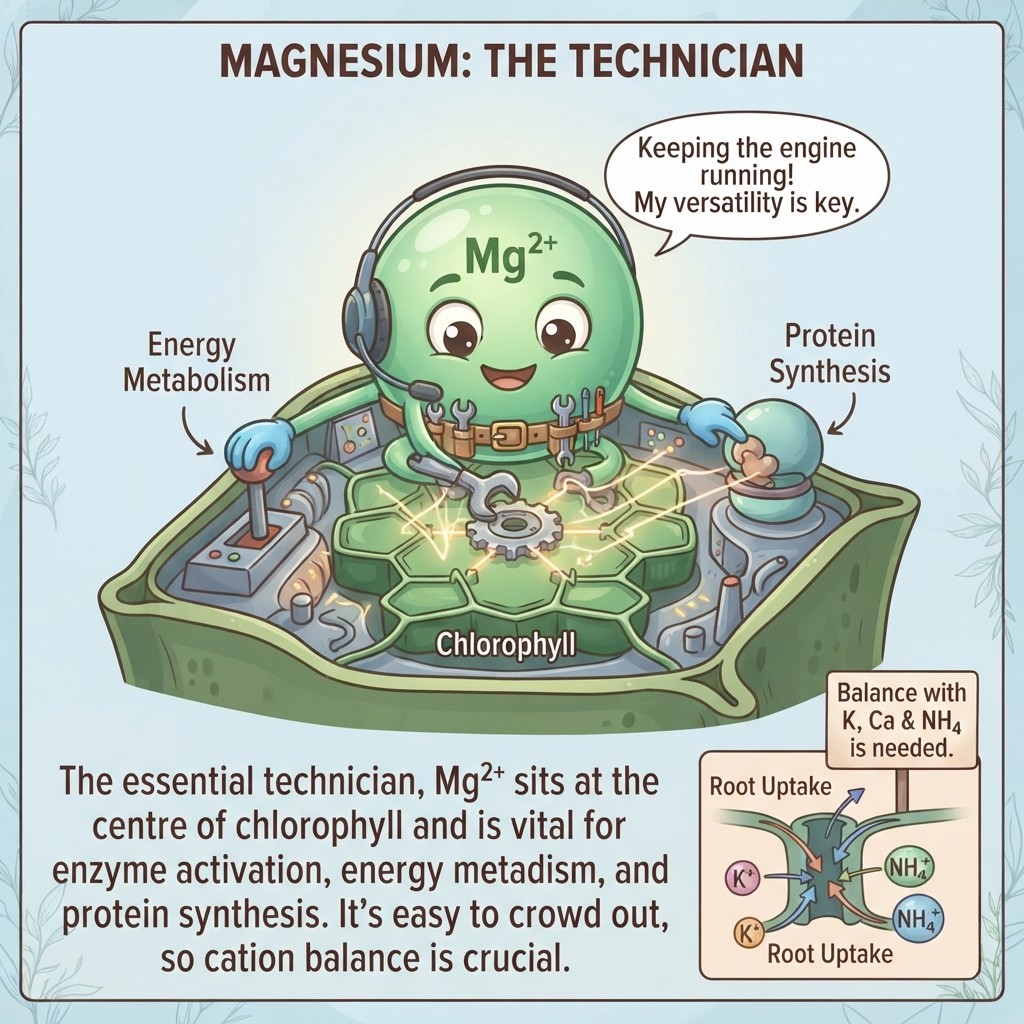
Magnesium: The Technician
by
Buse Soysal
Plantsap
Fertiliser
Nutrient Interactions
Iron: The Power Engineer

by
Buse Soysal
Plantsap
Fertiliser
Nutrient Interactions
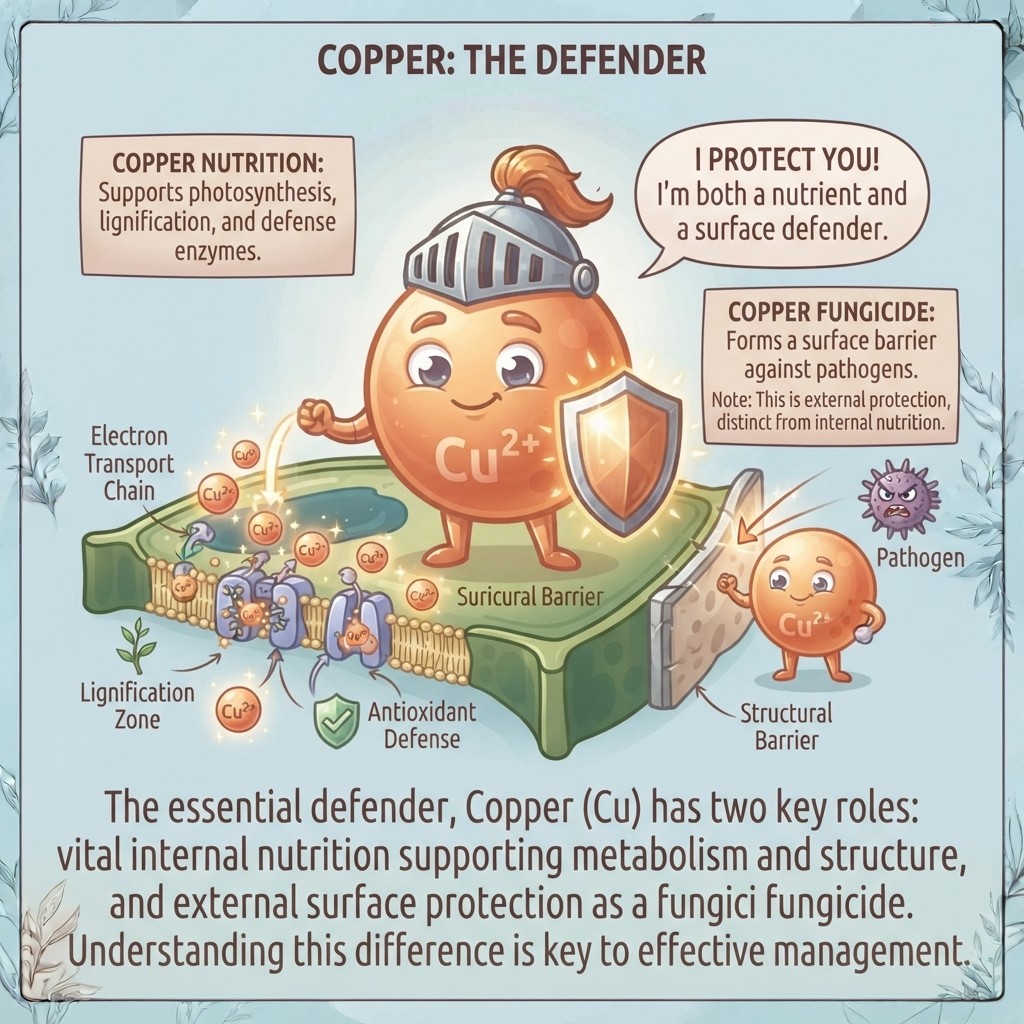
Copper: The Defender
by
Buse Soysal
Plantsap
Fertiliser
Nutrient Interactions
Molybdenum: The Facilitator

by
Buse Soysal
Plantsap
Fertiliser
Nutrient Interactions
Magnesium: The Unsung Hero of Photosynthesis
by
Buse Soysal
Nutrient Interactions
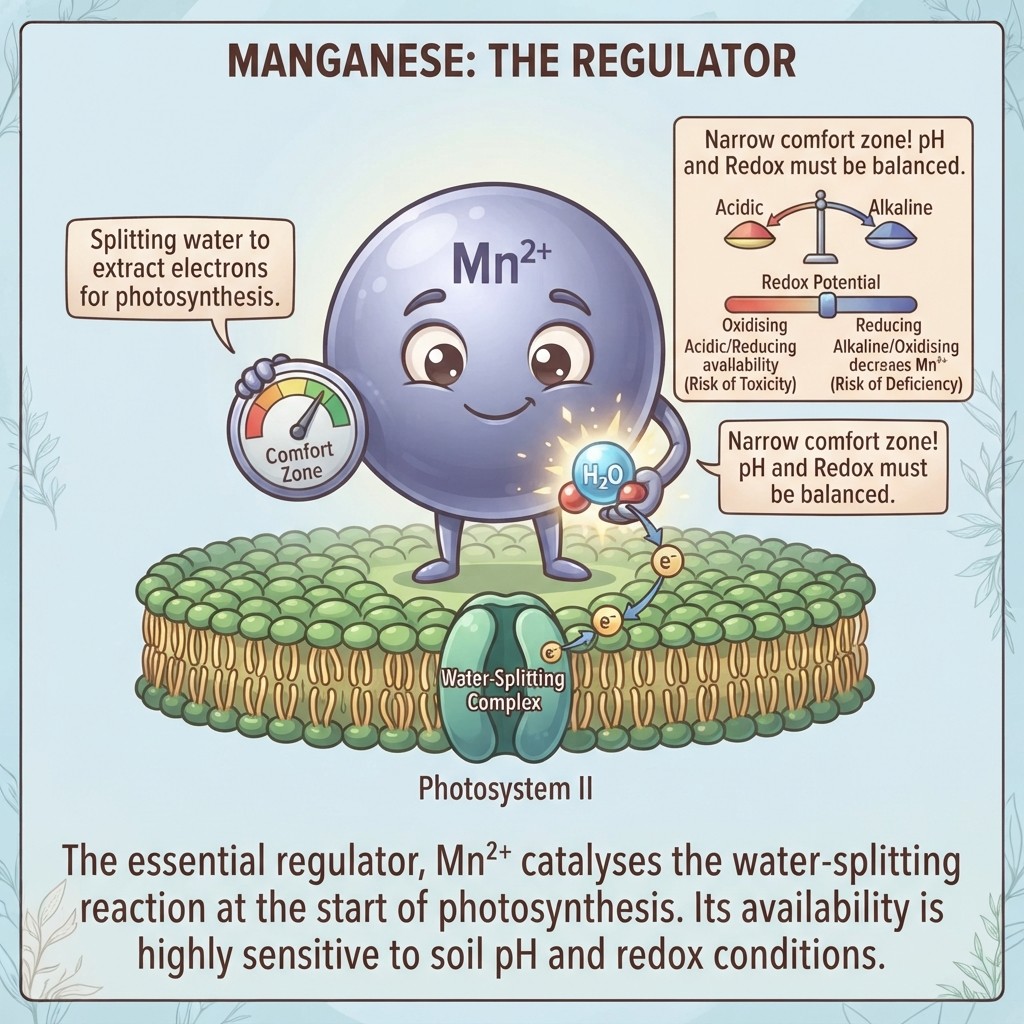
Manganese: The Regulator
by
Buse Soysal
Plantsap
Fertiliser
Nutrient Interactions
Unlocking Smarter Farming with Weather + Nutrient Analytics

by
Buse Soysal
Nutrient Interactions
Water Meets Nutrient Strategy

by
Buse Soysal
Nutrient Interactions
Boron: The Connector

by
Buse Soysal
Plantsap
Nutrient Interactions
Fertilizers
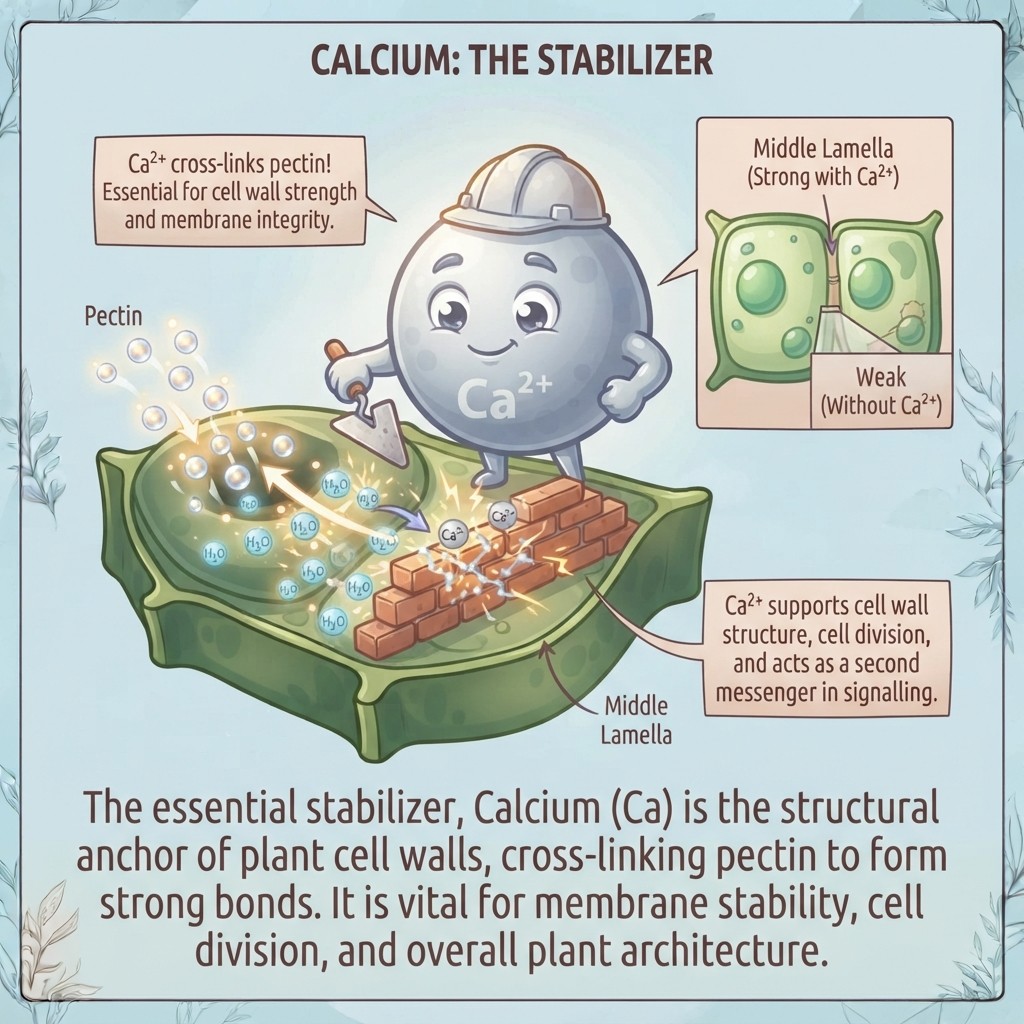
Calcium: The Architect
by
Buse Soysal
Plantsap
Fertiliser
Nutrient Interactions
Potassium: The Logistics Manager

by
Buse Soysal
Plantsap
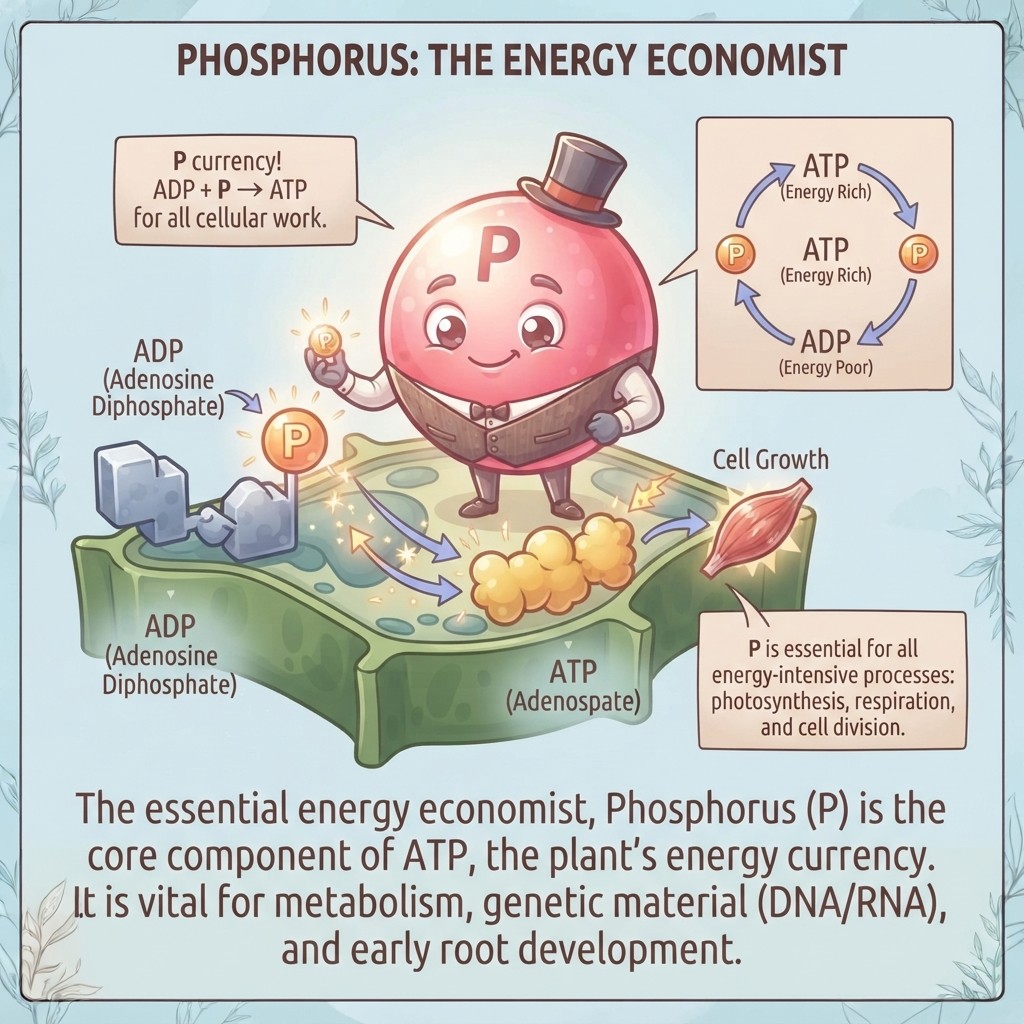
Phosphorus: The Strategist
by
Buse Soysal
Plantsap
Unit Conversion Meets Crop Intelligence

by
Buse Soysal
Soil Testing
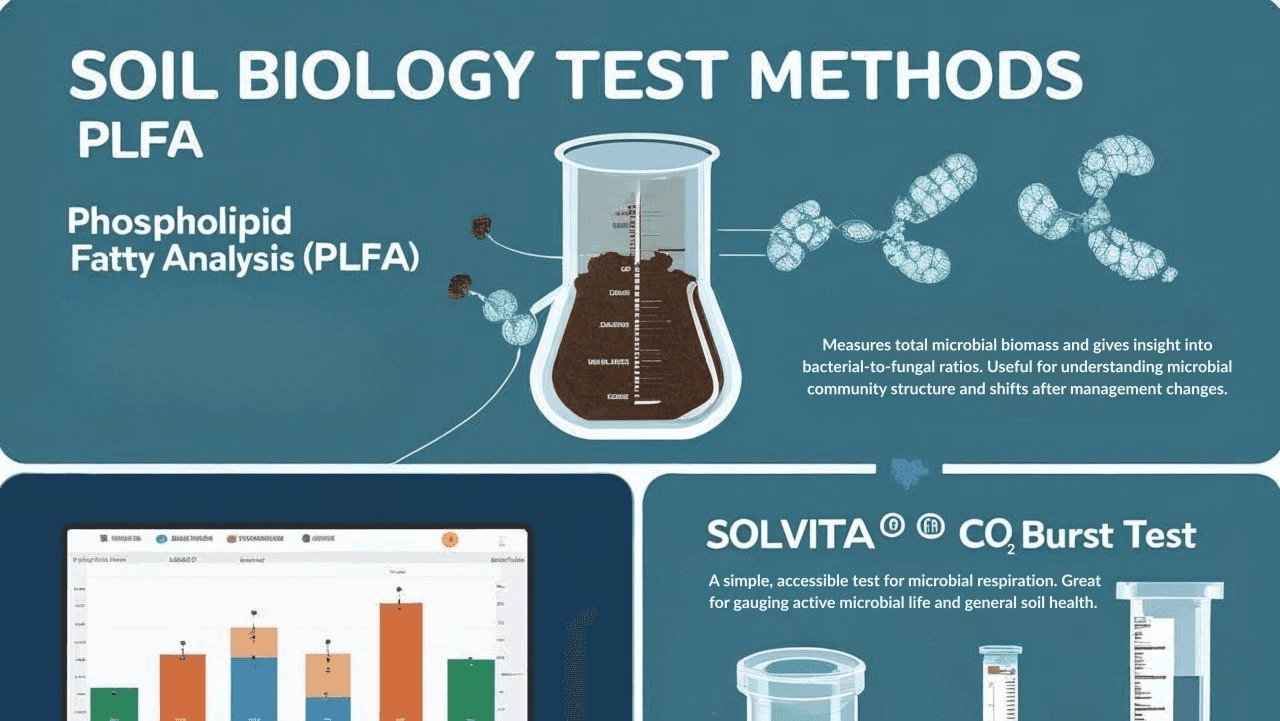
Soil Biology Testing—What Are Your Options?
by
Buse Soysal
Soil Testing
Predict Problems Before They Hit — The Power of Plant Sap Analysis
by
Buse Soysal
Data Analytics
Maximizing Cover Crop Benefits for Your Cash Crop

by
Buse Soysal
Nutrient Interactions
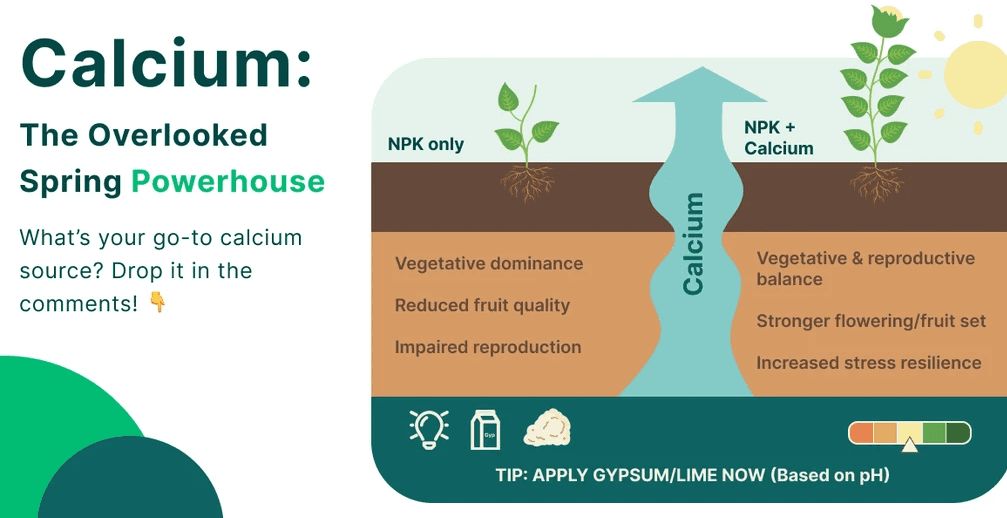
Calcium: The Overlooked Spring Powerhouse
by
Buse Soysal
Nutrient Interactions
Are fertilizer costs cutting into your bottom line?
by
Buse Soysal
Fertilizers
Advancing Precision Irrigation: Leveraging Technology for Sustainable Agriculture

by
Buse Soysal
Soil Health
Unlocking Agriculture’s Hidden Helpers: Microbial Genomics and the Data Challenge

by
Buse Soysal
The importance of microbial amendments: How to increase overall crop resilience

by
Buse Soysal
Soil Health
Unlocking Crop Potential: The Untapped Power of Plant Sap Analysis

by
Buse Soysal
RegenAg
Unlocking Carbon Credits: What Data Farmers Need to Track and How We Can Help

by
Buse Soysal
Data Analytics
Enhancing Weed Management: Leveraging Data Analytics for Sustainable Agriculture
by
Buse Soysal
Data Analytics
Elevating Crop Health with Brix Measurements: The Sweet Science of Plant Immunity

by
Buse Soysal
Soil Health
Nutrient Management and Disease Resistance: Unveiling the Hidden Connections Through Data Analytics

by
Buse Soysal
Base Saturation Balancing: Achieving the Ideal Ratio for Optimal Crop Production

by
Buse Soysal
Soil Health
How to Achieve Zero Excess Free Nitrates and Ammonium in Plant Sap Analysis

by
Buse Soysal
RegenAg
America's Buzzing Backbone: The Crucial Role of Migratory Beekeeping in U.S. Agriculture

by
Buse Soysal
Soil Health
Breaking Down Soil Biology Testing - Finding the ROI with PLFA Tests

by
Buse Soysal
Soil Testing
Precision Agriculture: Revolutionizing Farming, One Field at a Time

by
Buse Soysal
PrecisionAg
Ag101: What is the difference between organic and regenerative agriculture?
by
Buse Soysal
Soil Health
Your Favourite Beans are in Danger: Threats to Coffee & Chocolate Production
by
Buse Soysal
Soil Health
IPM Programs: Best of the Pest Prevention Measures

by
Buse Soysal
Pest & Disease
Wet Spring Issues - Why So Irreparable?

by
Buse Soysal
Nutrient Interactions
The Influence of Nutrient Applications on Post Harvest
by
Buse Soysal
Nutrient Interactions
Orange Juice in Danger: The Threat of HLB Disease

by
Buse Soysal
Soil Health
California Dreaming: The Issue with Almond Production

by
Buse Soysal
Sight Unseen: Zinc Deficiency in Soil

by
Buse Soysal
Nutrient Interactions
Battle Beneath: Understanding Calcium - Potassium Antagonism in Soil

by
Buse Soysal
Nutrient Interactions
The Plant Kingdom's Power Couple: Nitrogen and Sulfur's Synergistic Symphony

by
Buse Soysal
Nutrients for Beginners
Increase Drought Tolerance With This Commonly Missed Micronutrient

by
Buse Soysal
Climate Change
Digging Deeper: The Great Soil Analysis Debate for Regenerative Agriculture

by
Buse Soysal
Soil Health
Ammonium vs Calcium: The Nutrient Balancing Act for Thriving Plants

by
Buse Soysal
Nutrient Interactions
Improving Soil Structure: Boost Your Farm’s Resilience
by
Buse Soysal
Soil Health
Sodium and Calcium Relationship: A Tale of Frenemies in the Soil

by
Buse Soysal
Nutrient Interactions
The Soil Office: Molybdenum and Nitrate's Tumultuous Relationship
by
Buse Soysal
Nutrient Interactions
The Delicate Dance: Achieving the Perfect Nitrogen Balance for Optimal Crop Productivity

by
Buse Soysal
Nutrient Interactions
Paving the Way for a Regenerative Future: Insights into the "Data Driven Regenerative Ag" Project

by
Buse Soysal
RegenAg
Unlocking Soil's Full Potential: The Pioneering Principles of Dr. William A. Albrecht

by
Buse Soysal
Soil Health
The Benefits of Regenerative Agriculture for Human Health

by
Buse Soysal
RegenAg
Responsible Data Exchange in Agriculture

by
Buse Soysal
Data Analytics
Responsible Fertilizer Use for Mitigating Drought

by
Buse Soysal
Climate Change
The Power of Healthy Soil: for a Happy World Earth Day

by
Buse Soysal
Soil Health
Crop Scouting for Regenerative Agriculture

by
Buse Soysal
RegenAg
Plantsap and Soil Analyses for Nitrogen Emission Reduction
by
Buse Soysal
RegenAg
How do you use Plant Nutrition for Regenerative Agriculture?

by
Buse Soysal
RegenAg
Profitability of Regenerative Agriculture and Transition Management

by
Buse Soysal
RegenAg
How can we use Data-Driven Farming for a Bright Future?

by
Buse Soysal
Data Analytics
Plantsap Analysis for More Yield and Less Fertilizer

by
Buse Soysal
RegenAg