Oct 22, 2026
Less mineral nitrogen, stronger reserves: reading a conservation field

A three-year rice–wheat–green gram trial shows why mineral nitrogen alone can miss the crop's supply under residue retention.
This SoilBeat article draws on research by Siddhartha Mukherjee, Dibyendu Sarkar, Sahely Kanthal and Biswapati Mandal, published in Scientific Reports. The findings are theirs; the practical interpretation below is SoilBeat’s. Read the original research.
The agronomic problem
Nitrogen management often starts with a simple question: how much plant-available N is in the soil? In conventionally managed fields, nitrate and ammonium tests can be useful snapshots. But in residue-retaining, reduced-tillage systems, that snapshot may miss an important part of the supply chain.
Crop residues add carbon as well as nutrients. Microbes use that carbon and may temporarily immobilize mineral N. At the same time, reduced disturbance can protect organic matter inside aggregates and build organic-N pools that mineralize gradually. A soil can therefore contain less immediately extractable inorganic N while maintaining—or even improving—crop performance. That is not a contradiction. It reflects different nitrogen forms and turnover rates.
A field study from India’s lower Indo-Gangetic Plain examined that balance in a rice–wheat–green gram rotation. Its practical value is not a universal conservation-agriculture recipe. It is a clearer explanation of why nutrient decisions should track both short-term N supply and longer-term N stabilization.
What the researchers tested
The experiment used a split-plot design with three tillage systems: conventional, reduced, and zero tillage. Each was combined with five rice-residue and fertilizer programs: no retained residue with 100% of recommended NPK; full residue with 50% NPK; full residue with 75% NPK; half residue with 100% NPK; and half residue with 75% NPK.
That created 15 treatments, replicated three times in 10 × 20 meter plots. The subtropical, humid site had a clay-loam Inceptisol with near-neutral pH. The rotation ran for three years, covering nine crop seasons. Rice residue was retained ahead of the following winter crop, and green gram added a legume phase.
After the third rotation, the researchers measured total, organic, and inorganic soil N. They separated organic N into hydrolyzable fractions—amino-acid N, amino-sugar N, hydrolyzable ammonium, serine + threonine, and an unidentified fraction—and non-hydrolyzable N. They also measured a phosphate-buffer-extractable pool intended to represent readily mineralizable N, plus crop yield, plant N, and grain protein.
The main finding: less mobile N did not mean less usable N
Across treatments, roughly 92% of measured soil N was organic and about 8% was inorganic. Zero tillage produced 17% more organic N than conventional tillage, while conventional tillage had 36% more inorganic N than zero or reduced tillage.
That distinction matters. Inorganic nitrate and ammonium are immediately relevant to roots, but they are also vulnerable to leaching, volatilization, and denitrification. Organic N turns over at different speeds. Some compounds are relatively resistant; others can be depolymerized and mineralized during the crop cycle.
The strongest total and organic-N storage occurred under zero tillage with full residue retention and 75% NPK. Meanwhile, the highest hydrolyzable and phosphate-buffer-extractable N occurred under zero tillage with half residue and full NPK. These were not the same treatment, which exposes the central tradeoff: the program that stores the most N is not necessarily the program that supplies the largest near-term pool.
Rice-equivalent system yield ranged from 9.60 to 13.24 metric tons per hectare. On average, the conservation-agriculture treatments improved crop performance and mean grain protein by about 5–7% over conventional tillage with no retained residue and full NPK.
Most importantly, hydrolyzable N and the phosphate-buffer-extractable pool were positively associated with yield and protein. Total N, inorganic N, and non-hydrolyzable N were not. The result suggests that a biologically active organic reserve described crop performance better than a simple inventory of total or mobile N in this system.
Why residue amount and fertilizer rate interacted
The retained rice residue had a high C:N ratio. Microbes decomposing that carbon require N, so full residue retention increased immobilization, especially during early adoption. With only 50% of recommended NPK, that immobilization could restrict short-term availability. At the other extreme, full fertilizer without residue produced more inorganic N but less organic-N stabilization.
The intermediate packages—zero or reduced tillage with 50–100% residue and 75–100% NPK—appeared to balance these processes. Mineral fertilizer helped cover near-term crop demand and microbial immobilization. Residues and the green-gram phase supplied organic inputs. Reduced disturbance limited aggregate disruption and organic-matter oxidation.
The plausible mechanism is therefore not that conservation agriculture creates nitrogen. It changes timing and partitioning: crop residue, root inputs, and legume-derived N enter microbial and organic pools; some becomes protected; some remains potentially mineralizable; and less stays as a transient mineral surplus.
That mechanism is consistent with the measured fractions, but several parts remain inferential. The study did not directly quantify ammonia loss, nitrate leaching, nitrous oxide, dinitrogen, or deep movement. It also did not complete a full N balance.
What this means for soil and plant testing
A low nitrate or ammonium result can mean different things. It may indicate true shortage, recent crop uptake, leaching, gaseous loss, temporary microbial immobilization, or transfer into organic pools. The correct interpretation depends on sampling time, moisture, temperature, residue quality, root activity, and crop demand.
For conservation systems, a stronger diagnostic sequence is to combine:
• soil texture, pH, organic carbon, moisture, and routine mineral N;
• residue amount, C:N ratio, placement, and decomposition stage;
• fertilizer source, rate, timing, and placement;
• tissue or sap N measured at a crop-relevant stage;
• canopy and field observations interpreted with weather;
• yield, protein or quality, residual N, and economics after harvest.
Potentially mineralizable-N tests may add value, but methods differ and regional calibration is essential. The phosphate-buffer extraction used in this study is not a universal recommendation standard. Any new test should earn its place by improving prediction or management decisions in local soils and rotations.
Practical implications—and important limits
The 75% NPK treatments make fertilizer reduction an obvious question, but they do not prove that every conservation field can cut NPK by 25%. The treatment factor reduced N, P, and K together, so the design does not isolate nitrogen alone. Residue supply, fertilizer value, tillage equipment, labor, establishment risk, and market prices were not combined in a full profitability analysis.
The study also represents one humid, clay-loam site and the first three years of system transition. Coarse soils, colder climates, dryland systems, different residues, or rotations without a legume may respond differently. Full residue retention with a large C:N ratio can create an early N penalty unless nutrient supply and placement are synchronized.
The supported recommendation is therefore conservative: do not diagnose N supply from one pool, and do not reduce fertilizer from a global rule. Use replicated field strips to compare candidate packages. Keep residue and tillage treatments explicit. Measure crop status during the decision window and close the loop after harvest.
A SoilBeat perspective
This study fits a Measure → interpret → recommend → act → monitor approach because the agronomic signal sits between datasets. A mineral-N test alone could suggest less supply. Total soil N alone could suggest abundance. The crop response becomes clearer only when N form, residue management, tillage, crop sequence, moisture, plant analysis, yield, and quality are interpreted together.
Structured calculations can track nutrient inputs, removals, residue credits, and partial productivity. Agronomic reasoning must then account for mineralization, immobilization, root access, and sampling timing. After action, monitoring shows whether the chosen package maintained crop performance, built useful N reserves, reduced residual risk, and improved margin.
under conservation agriculture, the most important nitrogen question may not be how much N is present today, but how much is protected, how much can become available when the crop needs it, and how confidently the field measurements can distinguish the two.
References
Siddhartha Mukherjee, Dibyendu Sarkar, Sahely Kanthal and Biswapati Mandal (2026). Conservation agriculture optimizes soil nitrogen stabilization and availability to crops under rice-based cropping. Scientific Reports. Published 8 October 2026.
AI-generated editorial illustration for SoilBeat. Conceptual imagery; not a photograph or figure from the study.

Written by
SoilBeat
Related
Other Articles.
Foliar manganese and zinc: why humidity changes the result

by
Buse Soysal
Fertiliser
Organic fertilizer helped maize—but wheat needed a different plan

by
Buse Soysal
Fertiliser
Straw return builds soil carbon. What happens to emissions?

by
Buse Soysal
Fertiliser
Slurry Injection Saves Nitrogen But What Does It Cost Elsewhere?

by
Buse Soysal
Fertilizers
The New Global Fertilizer Map

by
Buse Soysal
Fertiliser
Fertilizers
Climate Change
Can Vetch Catch Crops Improve Greenhouse Vegetables and Reduce Fertilizer

by
Buse Soysal
Best Practices
Fertiliser
Nutrient Interactions
Soil Health
Turning lab report into a fertiliser recommendation

by
Buse Soysal
Fertiliser
Chloride: The Gatekeeper

by
Buse Soysal
Plantsap
Fertiliser
Nutrient Interactions
Sodium: The Opportunist
by
Buse Soysal
Plantsap
Fertiliser
Nutrient Interactions
Sulfur: The Finisher

by
Buse Soysal
Plantsap
Fertiliser
Nutrient Interactions
Unlocking Hidden Nutrients with Total Digestion Soil Tests
by
Buse Soysal
Zinc: The Coordinator
by
Buse Soysal
Plantsap
Fertiliser
Nutrient Interactions
How to Balance a High Bacterial to Fungal Ratio in your Soil

by
Buse Soysal
Soil Health
Magnesium: The Technician
by
Buse Soysal
Plantsap
Fertiliser
Nutrient Interactions
Iron: The Power Engineer

by
Buse Soysal
Plantsap
Fertiliser
Nutrient Interactions
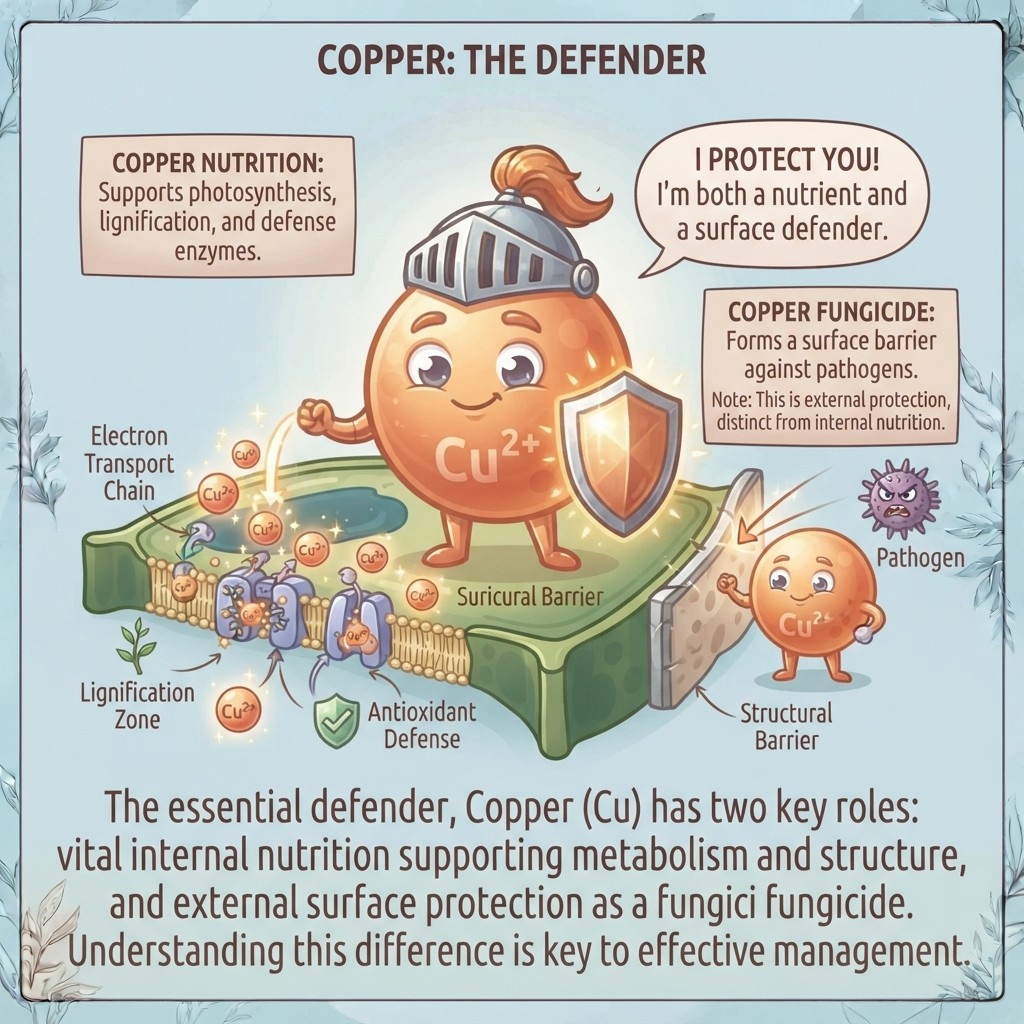
Copper: The Defender
by
Buse Soysal
Plantsap
Fertiliser
Nutrient Interactions
Molybdenum: The Facilitator

by
Buse Soysal
Plantsap
Fertiliser
Nutrient Interactions
Magnesium: The Unsung Hero of Photosynthesis
by
Buse Soysal
Nutrient Interactions
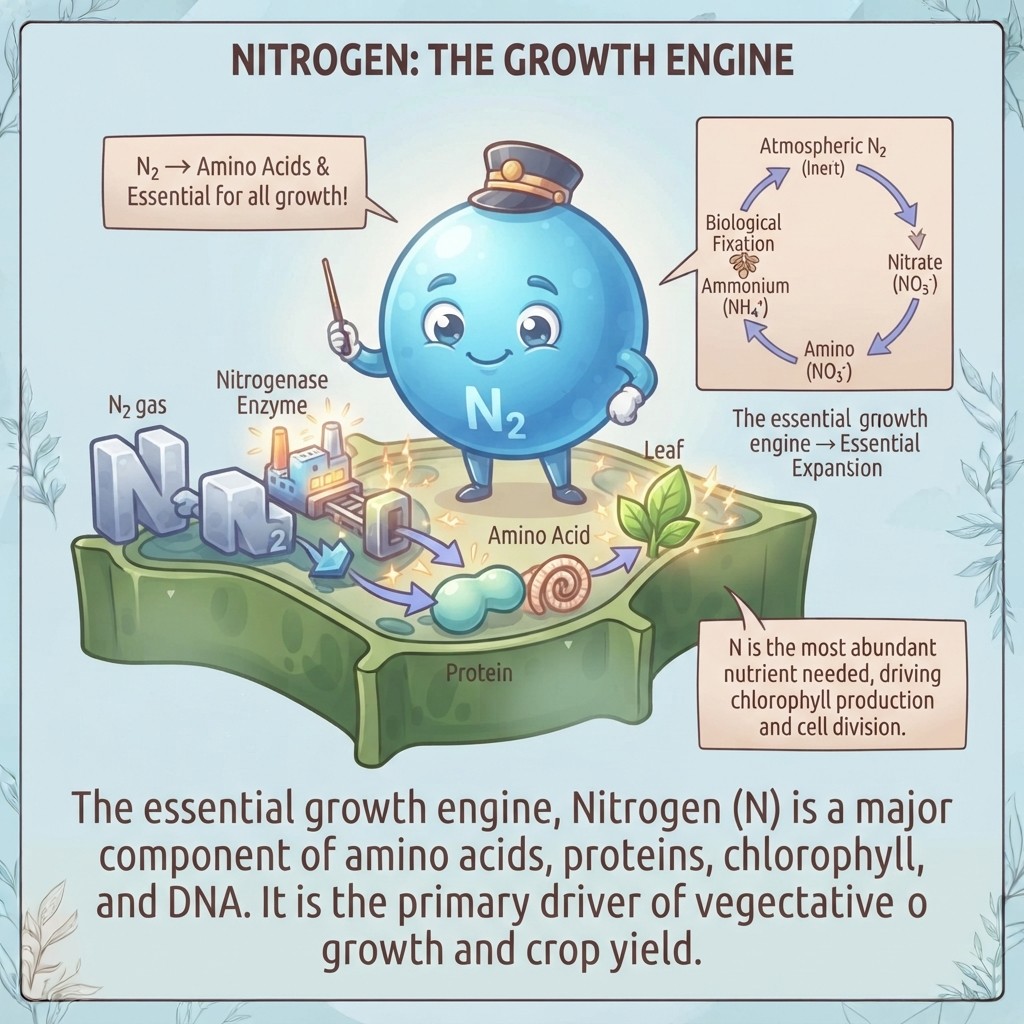
Nitrogen: The Builder
by
Buse Soysal
Plantsap
Manganese: The Regulator

by
Buse Soysal
Plantsap
Fertiliser
Nutrient Interactions
Unlocking Smarter Farming with Weather + Nutrient Analytics

by
Buse Soysal
Nutrient Interactions
Water Meets Nutrient Strategy

by
Buse Soysal
Nutrient Interactions
Boron: The Connector

by
Buse Soysal
Plantsap
Nutrient Interactions
Fertilizers
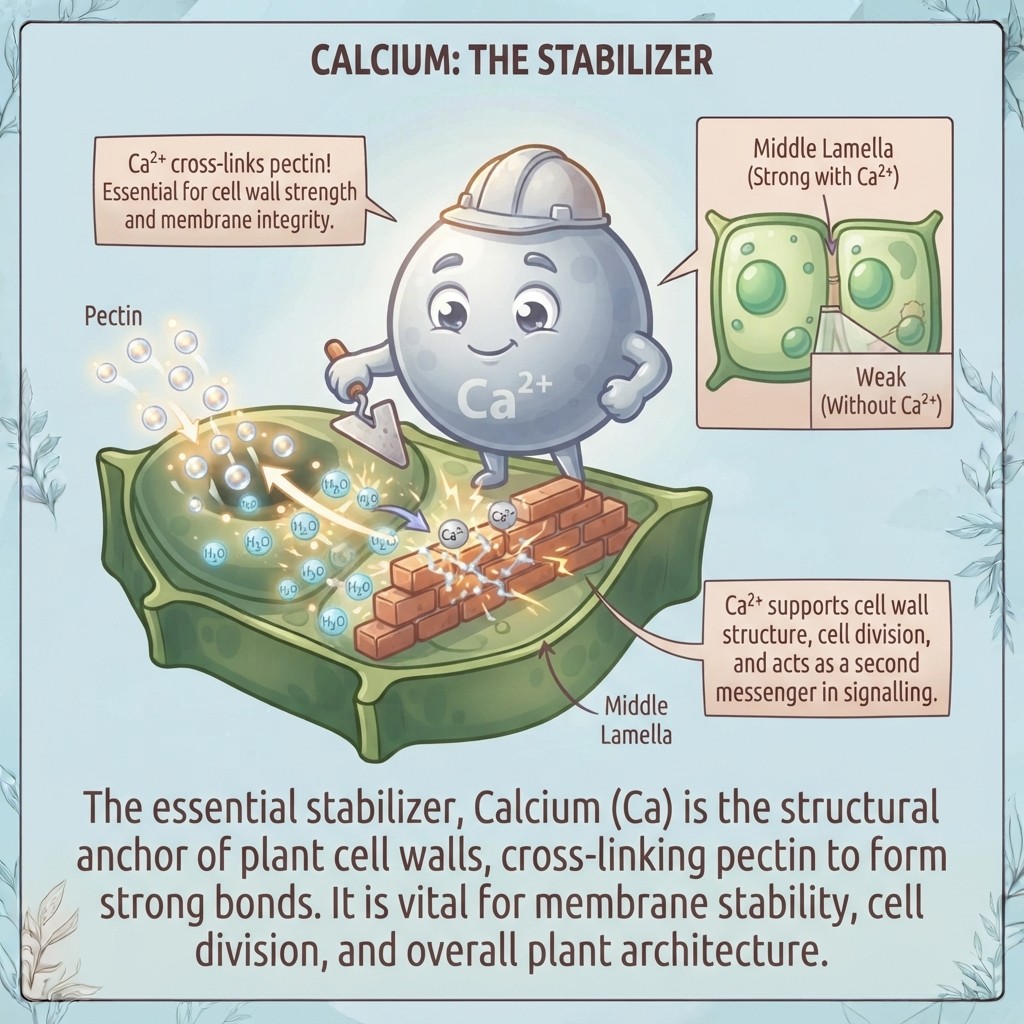
Calcium: The Architect
by
Buse Soysal
Plantsap
Fertiliser
Nutrient Interactions
Potassium: The Logistics Manager

by
Buse Soysal
Plantsap
Phosphorus: The Strategist
by
Buse Soysal
Plantsap
Unit Conversion Meets Crop Intelligence

by
Buse Soysal
Soil Testing
Soil Biology Testing—What Are Your Options?
by
Buse Soysal
Soil Testing
Predict Problems Before They Hit — The Power of Plant Sap Analysis
by
Buse Soysal
Data Analytics
Maximizing Cover Crop Benefits for Your Cash Crop

by
Buse Soysal
Nutrient Interactions
Calcium: The Overlooked Spring Powerhouse
by
Buse Soysal
Nutrient Interactions
Are fertilizer costs cutting into your bottom line?
by
Buse Soysal
Fertilizers
Advancing Precision Irrigation: Leveraging Technology for Sustainable Agriculture

by
Buse Soysal
Soil Health
Unlocking Agriculture’s Hidden Helpers: Microbial Genomics and the Data Challenge

by
Buse Soysal
The importance of microbial amendments: How to increase overall crop resilience

by
Buse Soysal
Soil Health
Unlocking Crop Potential: The Untapped Power of Plant Sap Analysis

by
Buse Soysal
RegenAg
Unlocking Carbon Credits: What Data Farmers Need to Track and How We Can Help

by
Buse Soysal
Data Analytics
Enhancing Weed Management: Leveraging Data Analytics for Sustainable Agriculture
by
Buse Soysal
Data Analytics
Elevating Crop Health with Brix Measurements: The Sweet Science of Plant Immunity

by
Buse Soysal
Soil Health
Nutrient Management and Disease Resistance: Unveiling the Hidden Connections Through Data Analytics

by
Buse Soysal
Base Saturation Balancing: Achieving the Ideal Ratio for Optimal Crop Production

by
Buse Soysal
Soil Health
How to Achieve Zero Excess Free Nitrates and Ammonium in Plant Sap Analysis

by
Buse Soysal
RegenAg
America's Buzzing Backbone: The Crucial Role of Migratory Beekeeping in U.S. Agriculture

by
Buse Soysal
Soil Health
Breaking Down Soil Biology Testing - Finding the ROI with PLFA Tests

by
Buse Soysal
Soil Testing
Precision Agriculture: Revolutionizing Farming, One Field at a Time

by
Buse Soysal
PrecisionAg
Ag101: What is the difference between organic and regenerative agriculture?
by
Buse Soysal
Soil Health
Your Favourite Beans are in Danger: Threats to Coffee & Chocolate Production
by
Buse Soysal
Soil Health
IPM Programs: Best of the Pest Prevention Measures

by
Buse Soysal
Pest & Disease
Wet Spring Issues - Why So Irreparable?

by
Buse Soysal
Nutrient Interactions
The Influence of Nutrient Applications on Post Harvest
by
Buse Soysal
Nutrient Interactions
Orange Juice in Danger: The Threat of HLB Disease

by
Buse Soysal
Soil Health
California Dreaming: The Issue with Almond Production

by
Buse Soysal
Sight Unseen: Zinc Deficiency in Soil

by
Buse Soysal
Nutrient Interactions
Battle Beneath: Understanding Calcium - Potassium Antagonism in Soil

by
Buse Soysal
Nutrient Interactions
The Plant Kingdom's Power Couple: Nitrogen and Sulfur's Synergistic Symphony

by
Buse Soysal
Nutrients for Beginners
Increase Drought Tolerance With This Commonly Missed Micronutrient

by
Buse Soysal
Climate Change
Digging Deeper: The Great Soil Analysis Debate for Regenerative Agriculture

by
Buse Soysal
Soil Health
Ammonium vs Calcium: The Nutrient Balancing Act for Thriving Plants

by
Buse Soysal
Nutrient Interactions
Improving Soil Structure: Boost Your Farm’s Resilience
by
Buse Soysal
Soil Health
Sodium and Calcium Relationship: A Tale of Frenemies in the Soil

by
Buse Soysal
Nutrient Interactions
The Soil Office: Molybdenum and Nitrate's Tumultuous Relationship
by
Buse Soysal
Nutrient Interactions
The Delicate Dance: Achieving the Perfect Nitrogen Balance for Optimal Crop Productivity

by
Buse Soysal
Nutrient Interactions
Paving the Way for a Regenerative Future: Insights into the "Data Driven Regenerative Ag" Project

by
Buse Soysal
RegenAg
Unlocking Soil's Full Potential: The Pioneering Principles of Dr. William A. Albrecht

by
Buse Soysal
Soil Health
The Benefits of Regenerative Agriculture for Human Health

by
Buse Soysal
RegenAg
Responsible Data Exchange in Agriculture

by
Buse Soysal
Data Analytics
Responsible Fertilizer Use for Mitigating Drought

by
Buse Soysal
Climate Change
The Power of Healthy Soil: for a Happy World Earth Day

by
Buse Soysal
Soil Health
Crop Scouting for Regenerative Agriculture

by
Buse Soysal
RegenAg
Plantsap and Soil Analyses for Nitrogen Emission Reduction

by
Buse Soysal
RegenAg
How do you use Plant Nutrition for Regenerative Agriculture?

by
Buse Soysal
RegenAg
Profitability of Regenerative Agriculture and Transition Management

by
Buse Soysal
RegenAg
How can we use Data-Driven Farming for a Bright Future?

by
Buse Soysal
Data Analytics
Plantsap Analysis for More Yield and Less Fertilizer

by
Buse Soysal
RegenAg