Recommendation software for agronomists, agronomy teams and growers

Agronomy software for better recommendations,built on every field’s history.

SoilBeat connects results from 100+ labs with each field’s history and applications. You spend less time assembling data and more time advising. Your growers see why, and you see what was done.

Build multizone fertilizer plans with your own products, formulas and templates. You review and approve every recommendation.

Free plan available. For agronomists, agronomy teams and growers.

Agricultural landscape showing productive crop growing systems
SoilBeat agronomic decision and recommendation interface

Why agronomists use SoilBeat

Better recommendations start with better agronomic context.

  1. Better recommendations

    Every lab result is read next to the field’s history, recent applications and crop stage, so you can compare results across seasons and see what changed.

  2. Less time assembling data

    Stop starting from scratch with every new lab report. Reports, history and applications are already connected when you sit down to advise.

  3. Stronger grower relationships

    Your growers see why, not just what. You see what was actually applied, so the next recommendation starts from facts.

You approve every recommendation. Your methods stay yours. Your data stays yours.

  • 5,000+lab reports processed
  • 100+lab formats supported
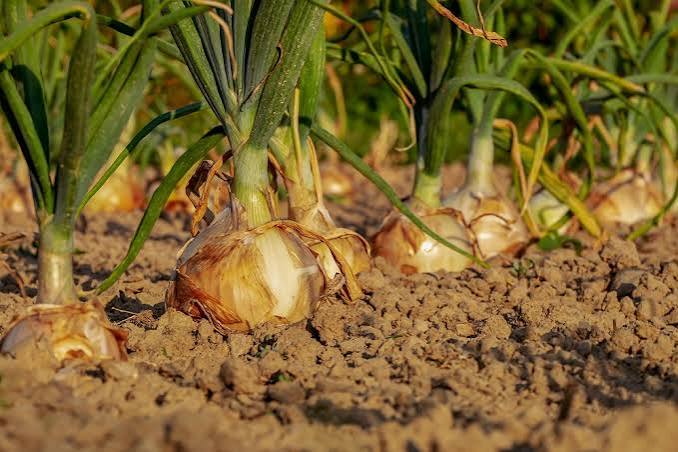
Crop field photographed at plant height
Agronomist working with crops in the field
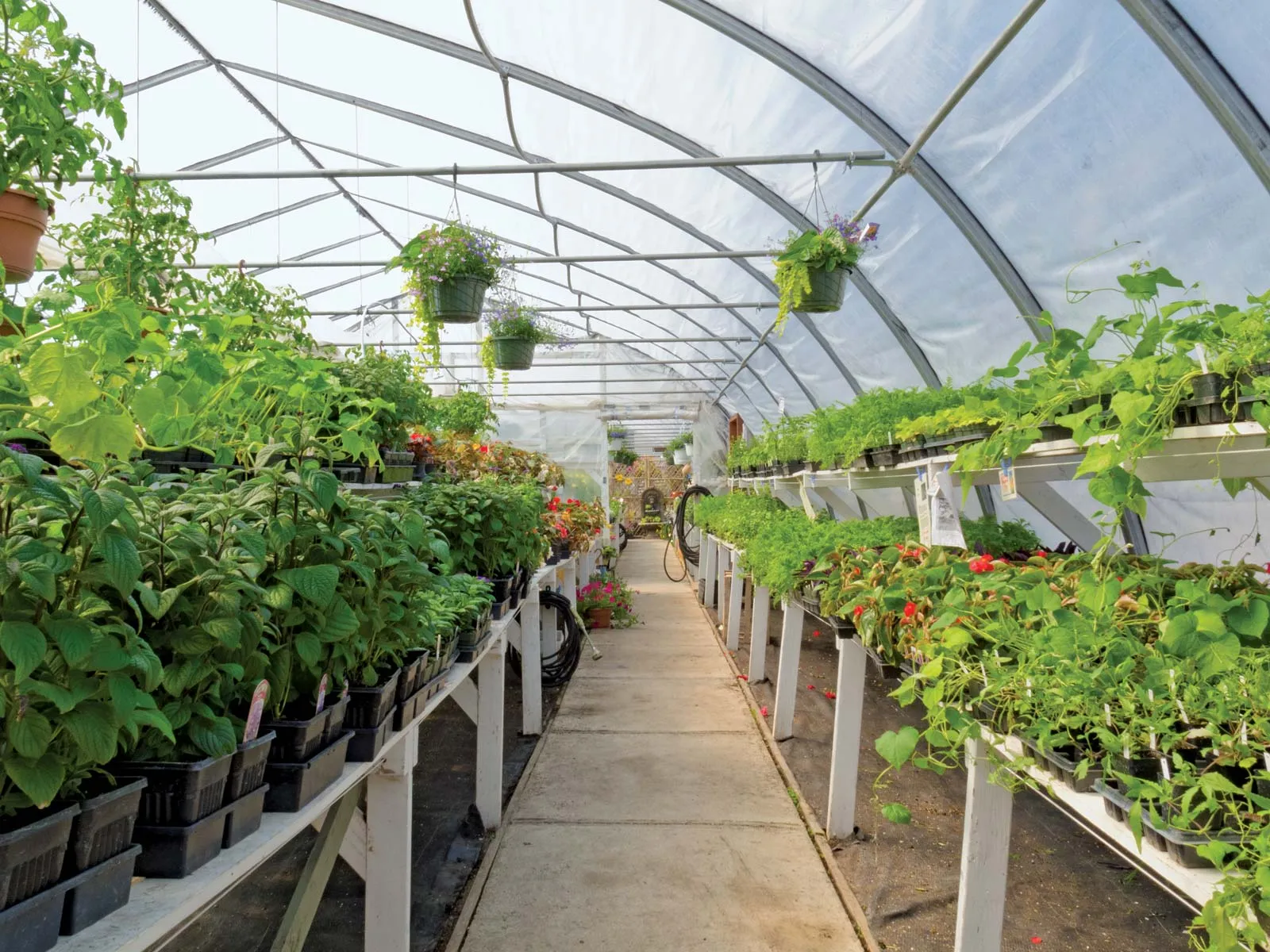
Hydroponic or greenhouse crop production
Built for the people making agronomic decisions

Who is SoilBeat for?

SoilBeat is for agronomists, agronomy teams and the growers they advise. It brings soil, plant-sap, tissue and water results together with field observations and crop history, so agronomists can prepare, review and follow up on advice, and growers can see the reasons behind it.

For individual agronomists & agronomy teams

Better recommendations. Less admin. More time for agronomy.

For your own advisory practice or a team of agronomists: bring more context into every recommendation and reduce the repetitive work around it.

Connect measurements, observations, activities and farm history. Reuse your methods, work more closely with growers and, across a team, share workflows and consistent standards.

Better recommendations
Save time
Work better with growers
Scale expertise
Explore individual agronomist workflowsExplore SoilBeat for agronomy teams
For growers

Know what your crop needs — and what to do next.

SoilBeat helps you understand the agronomic need behind your inputs, so you can spend more wisely, improve nutrient uptake and support stronger, more resilient crops.

Bring your crop measurements, observations, activities and growing history together. See the context behind recommendations, understand what needs attention and keep the resulting work connected with your agronomist.

Spend smarter
Improve uptake
Build resilience
Stay in control
Explore SoilBeat for growers
For growers across production systems

Which crops and growing systems does it support?

Orchards, horticulture and greenhouses, vineyards, nut crops, dairy and forage, row crops and tree nurseries. Every measurement and recommendation is linked to the farm, crop and management zone it belongs to.

Different crops. Different growing systems. The same need: know what the crop needs and make every input decision count.

See how SoilBeat fits your advisory workflow.

Start using SoilBeat now, or talk to us about your team, recommendation process and specialist agronomic workflows.

Same lab number, different right answer

Why does the same lab result need different advice?

A tissue test shows low potassium. Does the crop need more potash? It depends on the field. The same number can call for a different action, depending on what happened before the sample was taken.

What we can measure
Soil analysis
Plant sap
Tissue analysis
Water
Field observations
Activities
What the decision needs
1Nutrient need
2Uptake
3Input choice
4Action
Context turns measurements into a decision.
01

Has this field been low in potassium for years?

Then the soil may need building up, and a corrective application makes sense.

02

Was potash applied two weeks ago?

Then the nutrient may still be on its way into the plant. More fertilizer could be wasted money, and a follow-up test may be the better advice.

03

Was it dry, or are the roots struggling?

Then the problem is uptake, not supply. Irrigation timing or root health may matter more than another input.

SoilBeat shows the field’s history next to every result.

Previous tests, applications, irrigation, crop stage and observations sit next to the new lab report, so you can tell which situation you’re in before you write the recommendation.

See how SoilBeat connects the picture
Crop field photographed at plant height
Agronomist working with crops in the field
Hydroponic or greenhouse crop production
How SoilBeat works

How does SoilBeat go from lab report to field activity?

SoilBeat turns uploaded lab reports into structured farm records and connects them with crop history, observations and previous applications. Agronomists use that evidence with their formulas, selected products and templates to prepare and approve recommendations, turn approved advice into field activities, and review completed work alongside new measurements.

01 / Measure

What evidence do we have?

Bring the evidence together.

Lab results, plant measurements, water data, observations, activities and growing history become part of a structured record.

Each cycle adds context instead of starting over.

Explore the SoilBeat workflow

See how SoilBeat fits your advisory workflow.

Start using SoilBeat now, or talk to us about your team, recommendation process and specialist agronomic workflows.

Built for agronomy, not just answers

Is SoilBeat just ChatGPT for agronomy?

SoilBeat is agronomy software that connects lab results, crops, fields, growing history and activities in a structured record, with AI to help investigate evidence and prepare advice. Agronomists set formulas, product choices and rate limits, review recommendations before sharing, and keep approved advice connected to fieldwork and follow-up.

Generic AI
Prompt → information → answer
Context supplied in the conversation
The answer depends on the context provided at that moment.

General AI assistants can use files, projects and connected tools to explore data and create outputs. You choose how to organize the farm context and connect that work to your advisory process.

SoilBeat
Structured evidence → agronomic context → intelligence → recommendation → action
Measurements
Crop & field
Growing history
Field activities and follow-up
Observations
Agronomic logic

SoilBeat keeps the evidence connected to the crop, field and growing history. Its agronomic interpretation can then work with that context to help prepare recommendations that remain connected to execution.

Compare how each approach connects data, reviewed advice and field follow-up.

AI helps with the work. The agronomist owns the recommendation.

Use AI chat to investigate connected farm data and help prepare advice. Agronomists define prescription formulas, set rate limits and product choices, review scout reports and recommendations, and approve the advice before sharing it.

Explore agronomic interpretation
Used in real agronomic work

What results do agronomists get?

Jason Hobson of TerraVita Agronomy reported spending 50% less time on recommendations with SoilBeat. That’s one advisor’s experience, not a guaranteed result. It shows what happens when reports, crop history and field observations are already connected: the repetitive work shrinks and more time goes to agronomic judgement.

Customer result
50%
less time on recommendations, reported by TerraVita Agronomy
“If regenerative agronomy is going to scale, we need this kind of structured data infrastructure underneath it.”
Jason Hobson
Crop Advisor, TerraVita · USA
“A program where we can put our knowledge in — and get something back.”
Rene Jochems
Crop Advisor, GroeiBalans · Netherlands
“Very important to get access to actionable, data-driven fertilization advice myself.”
Stephen Hatton
Potato Farmer · USA
5,000+lab reports processed
100+lab formats supported
Crop field photographed at plant height
Agronomist working with crops in the field
Hydroponic or greenhouse crop production
START WHERE YOU ARE

What does SoilBeat cost?

SoilBeat offers Freemium at €0, Farmer Pro at €449 per year or €41 per month, and Advisor at €995 per year or €90 per month. Annual and monthly subscriptions are separate billing options; Invited Farmer costs €99 per year after three free months, while Organization pricing is custom.

Currency
Billing
For getting started

Freemium

Build & understand

Bring your farm data into one place and start understanding laboratory results, observations and activities in context.

€0forever
No payment required
  • Free forever for 1 farm
  • Starts with 30 days of the full Advisor plan (up to 20 farms)
  • Structured lab and field data
  • 5 Integrated AI questions per month
Start free
For growers

Farmer Pro

Interpret, prescribe & act

Understand what your crop needs, turn expert-backed recommendations into a practical plan and keep the work that follows connected.

€449/year
Billed annually
  • 1 farm and 1 Field User included
  • Advanced agronomic interpretation
  • 5 recommendation reports per month
  • 15 Integrated AI questions per month
Explore Farmer Pro
For agronomists

Advisor

Advise & scale

Bring more context into every recommendation, reduce repetitive processing and collaborate with farmers from one workspace.

€995/year
Billed annually
  • 20 farms and 2 Field Users included
  • 25 recommendation reports per month
  • 50 Integrated AI questions per month
  • Grower collaboration, activities and follow-up
Explore Advisor
For organizations

Organization

Configure & scale

Bring teams and farms together. Add white-label configuration for your organization’s methodology, AI, branding and integrations.

Custom
Built around your operation
  • Pooled teams and farms
  • White-label version
  • Own recommendation formulas, templates and modules
  • Organization-tailored AI
  • Branding, integrations and custom workflows
Talk to us

Questions about SoilBeat

What should I know before starting?

What is SoilBeat?

SoilBeat is agronomy software that connects laboratory results, field observations and farm history to help growers and agronomists prepare, review and follow up on crop recommendations. It keeps measurements, approved advice and field activities in one agronomic record, so each new decision can use the evidence from previous work. Explore SoilBeat features.

Which crops does SoilBeat support?

SoilBeat supports orchards, horticulture and greenhouses, vineyards, nut crops, dairy and forage, row crops and tree nurseries. Measurements and recommendations are linked to the farm, crop and management zone they belong to. Explore SoilBeat for horticulture.

Which lab reports can I upload?

You can upload supported soil, plant-sap, tissue and water laboratory reports as PDFs, PNGs or JPEGs. SoilBeat supports more than 100 lab formats, but support depends on the report layout and parameters; check your laboratory and report type before relying on extraction, and review methods, units and sample context before comparing results. Check supported lab reports.

How much does SoilBeat cost?

Freemium is free for one farm. Farmer Pro costs €449 per year (or €41 per month) for one farm. Advisor costs €995 per year (or €90 per month) for up to 20 farms, and extra farms cost €15 per farm per year. Growers invited by their advisor pay €99 per year after three free months. Organization pricing is custom. See all plans.

Is there a free plan, and what is in it?

Yes. Freemium costs €0 and starts with a 30-day Advisor trial for up to 20 farms, then provides one farm with a limited workspace and five Integrated AI questions per month. It includes lab-report management, basic analytics and field activities; creating and publishing recommendations requires a suitable paid plan. Compare current plans and allowances.

Can my growers see the recommendations?

Yes. On the Advisor plan you can invite your growers. They see published recommendations and the evidence behind them, get a simple task list for the work in the field, and record what was applied. Invited growers pay €99 per year after three free months. Explore SoilBeat for growers.

Who owns my data?

Customers retain ownership of the farm data they upload to SoilBeat. SoilBeat processes workspace records to provide the service under the applicable customer agreement and data-processing terms; access depends on farm permissions and accepted sharing. The privacy policy explains personal-data handling, third-party AI processing, retention and how to request access or deletion. Read the privacy policy.

Does the agronomist stay in control of the advice?

Yes. Agronomists define prescription formulas, product choices and rate limits, then review and approve recommendations before sharing them. Integrated AI can help investigate connected farm evidence and prepare drafts, while the agronomist checks the interpretation and proposed actions against the crop, field conditions and their professional judgment. Explore the recommendation workflow.

Which languages and countries does SoilBeat support?

SoilBeat is available in English, Dutch, German, Spanish and French, with metric and imperial unit systems. For your country, confirm laboratory-report compatibility, local crop requirements and the relevant advisory workflow with the SoilBeat team; language availability alone does not establish support for every local report format or recommendation method. Discuss your country and workflow.

Is there a mobile app?

Yes. SoilBeat has a mobile app for iOS and Android that connects fieldwork to the same agronomic record used on desktop. In the field, you can access farm context and lab reports, capture observations with photos or voice, and create activities so the evidence and resulting work stay connected. Explore the mobile app.

How is it different from a spreadsheet or generic AI chat?

SoilBeat keeps lab results, crops, management zones, observations and activities connected in a structured farm record, with workflows for reviewed recommendations and follow-up. A spreadsheet or generic AI chat can help analyze information, but you organize the farm context and connect the resulting advice to field execution yourself. Explore agronomic intelligence.