
From Lab Data to Field Action: Turning Soil Analysis into Recommendations with AI
Turning soil lab data into actionable field recommendations can take time. With AI-powered analysis in SoilBeat, you can move from raw lab results to a comprehensive, customized recommendation report—and ultimately to prescriptions ready for implementation.
In this tutorial, we'll walk through the complete workflow, from analyzing lab reports with Pulse AI to customizing, reviewing, and publishing soil health recommendations.
1. Start with your lab data
The workflow begins in the Data menu.
Navigate to the Lab Report section and select the lab reports you want to analyze. Once your data is selected, click Interpret with AI to send the reports to Pulse AI for analysis.
Capture the sequence from opening the Lab Report section through selecting the data and clicking Interpret with AI.

Select your lab reports and let Pulse AI analyze the data.
Once the analysis is submitted, Pulse processes the selected lab data and presents its initial findings.
2. Ask Pulse AI to go deeper
The first AI analysis is just the beginning.
You can interact with Pulse just as you would with an AI chat: ask follow-up questions, request clarification, or provide additional information to refine the analysis.
When you're ready to move from analysis to action, simply ask Pulse to turn the findings into a recommendation report.
This is one of the most important moments in the tutorial. Show the transition from reviewing the AI analysis to requesting the detailed recommendation report.

Turn AI-powered analysis into a detailed recommendation report.
Pulse then processes the lab data and generates personalized recommendations based on the soil health results.
For a larger working area, you can also expand the chat panel by dragging it to the left.
3. Generate and customize the recommendation report
Once Pulse has finished generating the recommendations, click Approve to create the recommendation report.
The report opens in the Recommendations menu, where you can review and customize the results.

Approve the AI-generated recommendations and open the editable report & fine tune the recommendations based on field observations and grower feedback
The recommendation report isn't a static document. It's fully editable, giving you control over the final output.
You can:
Add or remove blocks
Add or delete rows
Edit text
Modify dropdown fields
Adjust branding
Customize disclaimers
4. Review field-by-field recommendations
Scroll through the report to review the generated recommendations and the individual sections for each field.
The report also includes a Prescription Activity view. This connects the recommendations to your existing fertilizer and crop protection library.
That connection is important: recommendations are based on products you already know and that fit your certification requirements.

Because the recommendations remain editable, you can make adjustments before they're finalized.
5. Customize, Collaborate & Publish
Recommendations don't always happen in isolation. Soilbeat also provides a way to collaborate with colleagues during the review process. Use the Status dropdown to update the report and request a review from a colleague. This creates a workflow where recommendations can be reviewed and refined before they're finalized for implementation.
Once the recommendations are ready, you can customize how the final report looks. Click Configure Brand to adjust the report's branding settings. Your custom colors and logo are then reflected in the report previous.
With the report reviewed and customized, you have two ways to take the next step. First, you can Export as PDF to download a copy of the soil health recommendation report. You can also Publish the recommendation. Publishing locks the recommendation and sends the associated prescriptions to the Activities menu, where they can be implemented by the grower.

From analysis to action
What starts as a set of soil lab results can become a structured, actionable recommendation workflow in just a few steps.
With Pulse AI, you can analyze lab data, ask follow-up questions, generate field-specific recommendations, and then edit those recommendations before they're shared. Built-in prescription logic helps connect recommendations to your existing product library and certification requirements, while collaboration and status controls help teams review the work before it's finalized.
Finally, customizable branding makes the resulting report ready to share with growers, and publishing moves the prescriptions into the Activities workflow for implementation.
The result is a workflow that connects lab data, AI analysis, agronomic recommendations, team review, and field implementation—all the way from the original soil report to action in the field.

Written by
Debra Aurich
Related
Other Articles.
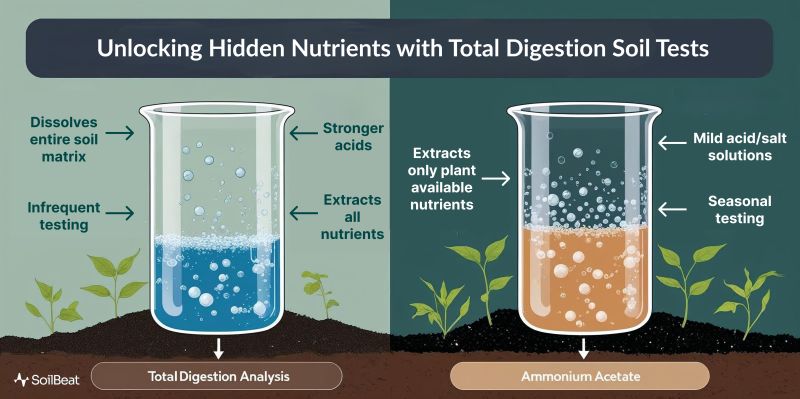
Unlocking Hidden Nutrients with Total Digestion Soil Tests
by
Buse Soysal
How to Balance a High Bacterial to Fungal Ratio in your Soil

by
Buse Soysal
Soil Health
Magnesium: The Unsung Hero of Photosynthesis
by
Buse Soysal
Nutrient Interactions
PlantSap - Nitrogen: The Builder
by
Buse Soysal
Plantsap
Unlocking Smarter Farming with Weather + Nutrient Analytics

by
Buse Soysal
Nutrient Interactions
Water Meets Nutrient Strategy

by
Buse Soysal
Nutrient Interactions
Calcium: The Architect
by
Buse Soysal
Plantsap
Potassium: The Logistics Manager

by
Buse Soysal
Plantsap
Phosphorus: The Strategist
by
Buse Soysal
Plantsap
Unit Conversion Meets Crop Intelligence

by
Buse Soysal
Soil Testing
Soil Biology Testing—What Are Your Options?
by
Buse Soysal
Soil Testing
Predict Problems Before They Hit — The Power of Plant Sap Analysis
by
Buse Soysal
Data Analytics
Maximizing Cover Crop Benefits for Your Cash Crop

by
Buse Soysal
Nutrient Interactions
Calcium: The Overlooked Spring Powerhouse
by
Buse Soysal
Nutrient Interactions
Are fertilizer costs cutting into your bottom line?
by
Buse Soysal
Fertilizers
Advancing Precision Irrigation: Leveraging Technology for Sustainable Agriculture

by
Buse Soysal
Soil Health
Unlocking Agriculture’s Hidden Helpers: Microbial Genomics and the Data Challenge

by
Buse Soysal
The importance of microbial amendments: How to increase overall crop resilience

by
Buse Soysal
Soil Health
Unlocking Crop Potential: The Untapped Power of Plant Sap Analysis

by
Buse Soysal
Regenerative Agriculture
Unlocking Carbon Credits: What Data Farmers Need to Track and How We Can Help

by
Buse Soysal
Data Analytics
Enhancing Weed Management: Leveraging Data Analytics for Sustainable Agriculture
by
Buse Soysal
Data Analytics
Elevating Crop Health with Brix Measurements: The Sweet Science of Plant Immunity

by
Buse Soysal
Soil Health
Nutrient Management and Disease Resistance: Unveiling the Hidden Connections Through Data Analytics

by
Buse Soysal
Base Saturation Balancing: Achieving the Ideal Ratio for Optimal Crop Production

by
Buse Soysal
Soil Health
How to Achieve Zero Excess Free Nitrates and Ammonium in Plant Sap Analysis

by
Buse Soysal
Regenerative Agriculture
America's Buzzing Backbone: The Crucial Role of Migratory Beekeeping in U.S. Agriculture

by
Buse Soysal
Soil Health
Breaking Down Soil Biology Testing - Finding the ROI with PLFA Tests

by
Buse Soysal
Soil Testing
Precision Agriculture: Revolutionizing Farming, One Field at a Time

by
Buse Soysal
Precision Agriculture
Ag101: What is the difference between organic and regenerative agriculture?
by
Buse Soysal
Soil Health
Your Favourite Beans are in Danger: Threats to Coffee & Chocolate Production
by
Buse Soysal
Soil Health
IPM Programs: Best of the Pest Prevention Measures

by
Buse Soysal
Pest & Disease
Wet Spring Issues - Why So Irreparable?

by
Buse Soysal
Nutrient Interactions
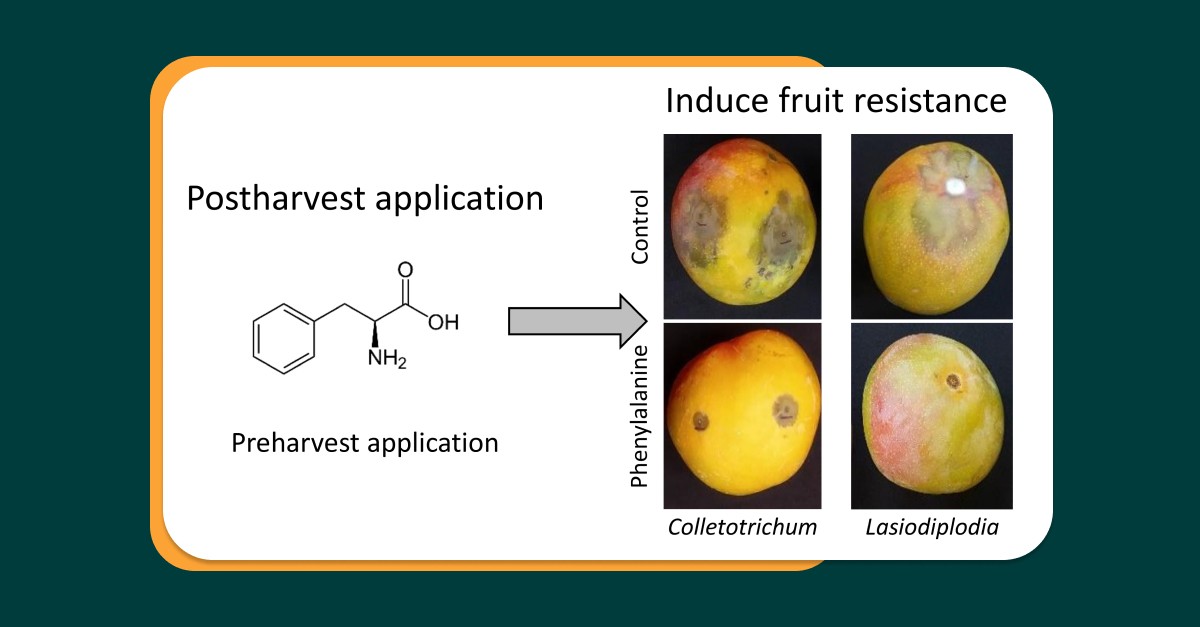
The Influence of Nutrient Applications on Post Harvest
by
Buse Soysal
Nutrient Interactions
Orange Juice in Danger: The Threat of HLB Disease

by
Buse Soysal
Soil Health
California Dreaming: The Issue with Almond Production

by
Buse Soysal
Sight Unseen: Zinc Deficiency in Soil

by
Buse Soysal
Nutrient Interactions
Battle Beneath: Understanding Calcium - Potassium Antagonism in Soil

by
Buse Soysal
Nutrient Interactions
The Plant Kingdom's Power Couple: Nitrogen and Sulfur's Synergistic Symphony

by
Buse Soysal
Nutrients for Beginners
Increase Drought Tolerance With This Commonly Missed Micronutrient

by
Buse Soysal
Climate Change
Digging Deeper: The Great Soil Analysis Debate for Regenerative Agriculture

by
Buse Soysal
Soil Health
Ammonium vs Calcium: The Nutrient Balancing Act for Thriving Plants

by
Buse Soysal
Nutrient Interactions
Improving Soil Structure: Boost Your Farm’s Resilience
by
Buse Soysal
Soil Health
Sodium and Calcium Relationship: A Tale of Frenemies in the Soil

by
Buse Soysal
Nutrient Interactions
The Soil Office: Molybdenum and Nitrate's Tumultuous Relationship
by
Buse Soysal
Nutrient Interactions
The Delicate Dance: Achieving the Perfect Nitrogen Balance for Optimal Crop Productivity

by
Buse Soysal
Nutrient Interactions
Paving the Way for a Regenerative Future: Insights into the "Data Driven Regenerative Ag" Project

by
Buse Soysal
Regenerative Agriculture
Unlocking Soil's Full Potential: The Pioneering Principles of Dr. William A. Albrecht

by
Buse Soysal
Soil Health
The Benefits of Regenerative Agriculture for Human Health

by
Buse Soysal
Regenerative Agriculture
Responsible Data Exchange in Agriculture

by
Buse Soysal
Data Analytics
Responsible Fertilizer Use for Mitigating Drought

by
Buse Soysal
Climate Change
The Power of Healthy Soil: for a Happy World Earth Day

by
Buse Soysal
Soil Health
Crop Scouting for Regenerative Agriculture
by
Buse Soysal
Regenerative Agriculture
Plantsap and Soil Analyses for Nitrogen Emission Reduction

by
Buse Soysal
Regenerative Agriculture
How do you use Plant Nutrition for Regenerative Agriculture?

by
Buse Soysal
Regenerative Agriculture
Profitability of Regenerative Agriculture and Transition Management

by
Buse Soysal
Regenerative Agriculture
How can we use Data-Driven Farming for a Bright Future?

by
Buse Soysal
Data Analytics
Plantsap Analysis for More Yield and Less Fertilizer

by
Buse Soysal
Regenerative Agriculture