30 sep 2025
Sodium: The Opportunist
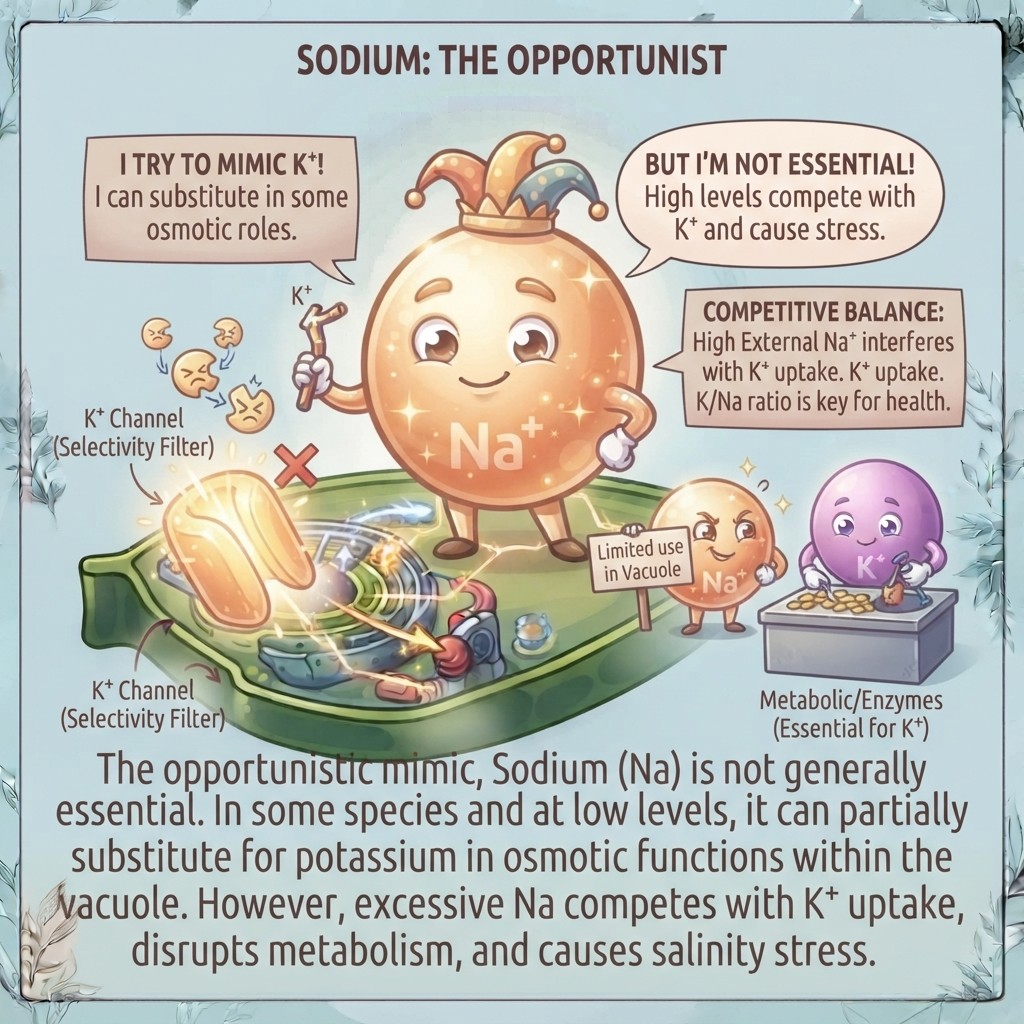
Sodium: The Opportunist
Sodium is different from most of the elements in this Plant Sap Nutrient Series because it is not considered an essential nutrient for most crops. Plants do not generally need sodium in the same way they need nitrogen, potassium, calcium or magnesium. Even so, sodium can still have important effects on plant performance, and in some species it can provide useful physiological functions when concentrations remain low and carefully controlled.
This is why sodium is best understood as The Opportunist. In the right crop and at the right concentration, it can contribute to osmotic balance and partially take over some of potassium’s less specialised functions. When sodium accumulates too far, however, that opportunism becomes a problem. It begins competing with potassium and other cations, disturbs water relations and forces the plant to spend energy keeping Na away from sensitive parts of the cell. ScienceDirect
For plant sap analysis, sodium is therefore often more useful as a diagnostic signal than as a nutritional target. A rising Na concentration can reveal changes in irrigation water, salinity, root-zone accumulation or competition with potassium before severe visual symptoms become obvious.
Sodium’s personality: useful when controlled, disruptive when dominant
Sodium and potassium are chemically similar, which is one reason plants sometimes struggle to distinguish between them during uptake. That similarity gives sodium its opportunity. In some plants, Na can enter through transport systems that also handle potassium and can contribute to osmotic functions that would otherwise require K. PubMed Central (PMC)
At moderate concentrations, this does not necessarily cause a problem. Sodium can accumulate in vacuoles, where it contributes to osmotic pressure and helps maintain turgor. In certain species, particularly salt-tolerant plants and some crops with a greater capacity to utilise Na, this can reduce the amount of potassium required for purely osmotic functions. Potassium can then remain available for the biochemical processes where it is much more difficult to replace. PubMed Central (PMC)
Sodium’s weakness is that it cannot take over all of potassium’s jobs. Many enzymes and metabolic processes specifically require K, and excessive Na in metabolically active compartments can interfere with proteins and cellular functions. This is why the statement that “sodium replaces potassium” is only partly correct. Sodium can substitute for some osmotic roles, particularly in the vacuole and in responsive species, but it cannot fully replace K in the cytoplasm, enzyme activation or many aspects of membrane function. PubMed Central (PMC)
The Opportunist is therefore useful only while the plant remains in control of it.
Sodium’s greatest strength: contributing to osmotic balance
One of sodium’s potentially useful functions is osmotic regulation. Plants need dissolved ions and organic compounds inside their cells to attract and retain water, maintain turgor and support cell expansion. Potassium normally performs a large part of this work, but in some crops sodium can contribute to the osmotic pool and reduce the amount of K needed for that particular function.
This can be beneficial where potassium availability is limited, provided the plant has the biological capacity to compartmentalise sodium safely. Sodium stored in the vacuole can contribute to water relations while potassium is conserved for the cytoplasm, where it remains essential for enzyme activity and other specialised metabolic functions. Research on Na as a partial substitute for K supports this distinction between replaceable osmotic functions and non-replaceable biochemical functions. PubMed Central (PMC)
That benefit is strongly crop-dependent. Salt-tolerant species and some C4 plants can make much more constructive use of Na than sensitive horticultural crops. This is why a sodium concentration that is acceptable in one crop may be problematic in another.
Sodium’s main weakness: it competes with potassium
The most important nutrient relationship for sodium is potassium.
Because Na+ and K+ are chemically similar, they can compete for uptake and transport. As sodium concentrations rise around the root, plants can take up more Na while K uptake becomes increasingly difficult. Once inside the plant, maintaining a high K/Na ratio is important because many enzymes and cellular processes function properly with K but are disrupted when too much Na occupies the same biochemical space. PubMed Central (PMC)
This means high sodium can create what looks like a potassium deficiency even when soil K supply appears adequate. The grower may see falling sap K, weaker stomatal regulation, reduced growth or poorer stress tolerance, but the underlying issue is not necessarily insufficient K fertilisation. Sodium may be interfering with the plant’s ability to acquire and retain potassium.
For this reason, a sap pattern of rising Na together with falling K is usually more informative than the sodium value alone.
Sodium and potassium: substitute in one place, competitor in another
The Na-K relationship can appear contradictory because sodium can both substitute for and compete with potassium. The difference lies in where the ions are being used and at what concentration.
In vacuoles and other osmotic roles, sodium may partially replace potassium in species that tolerate it. This can be useful because the plant does not have to use valuable K merely to maintain osmotic pressure. In the cytoplasm, however, potassium is strongly preferred because many enzymes and metabolic systems depend on its particular chemical properties.
As sodium pressure increases, the relationship therefore shifts from useful substitution toward harmful competition. The plant must increasingly exclude Na from the cytoplasm, retrieve it from transport streams or store it safely in vacuoles. Salt-tolerant plants are better at doing this than salt-sensitive crops. ScienceDirect
The practical objective is therefore not to replace K with Na, but to maintain enough K to dominate the metabolically important compartments while preventing sodium from accumulating excessively.
Sodium and calcium: protecting membranes and selectivity
Calcium becomes especially important as sodium pressure rises because Ca contributes to membrane stability and helps maintain the selectivity of ion transport processes. Under salinity stress, excessive Na can disturb membrane function and interfere with calcium nutrition, while inadequate Ca can make it harder for roots to maintain control over which ions enter the plant.
High sodium environments can therefore be associated with lower Ca concentrations and poorer tissue integrity. Salinity can also interfere with root growth and water uptake, making calcium delivery to young tissues even more difficult. PubMed Central (PMC)
The relationship can be thought of as a conflict between the Opportunist and the Architect. Sodium pressure makes ionic control more difficult, while calcium helps maintain the structural and membrane conditions needed for selective nutrient uptake.
For growers, high Na together with falling Ca should therefore raise concern not only about sodium toxicity but also about the wider effects of salinity on nutrient balance and tissue quality.
Sodium and magnesium: another cation under pressure
Magnesium can also decline under saline conditions. Part of this is related to the broader ionic imbalance created when Na becomes abundant around the root. Competition among cations, reduced root activity and altered membrane transport can all reduce Mg acquisition.
This matters because magnesium supports chlorophyll, photosynthesis and energy metabolism. A sodium problem can therefore indirectly become a photosynthetic problem if Mg falls far enough.
A sap result showing high Na together with low K and Mg is a much stronger indication of salt-related nutrient disruption than high Na alone.
Sodium and chloride: often travelling together, but not the same problem
Sodium and chloride frequently rise together because sodium chloride is a major source of salinity in soils and irrigation water. It is therefore tempting to treat high Na and high chloride as one problem, but the two ions affect plants differently.
Sodium is a cation and interacts strongly with K, Ca and Mg balance, while chloride is an anion with its own nutritional and toxicity behaviour. A high-Na, high-Cl pattern often points toward saline irrigation water, salt accumulation or another NaCl source, whereas high sodium without corresponding chloride suggests that another sodium salt may be involved.
This distinction is useful because the management response should address the actual salt source, not simply the sodium concentration in isolation.
Sodium and water: salinity creates two stresses at once
High sodium is often discussed as an ion-toxicity issue, but salinity also creates an immediate water problem.
As dissolved salts accumulate in the root zone, the osmotic potential of the soil solution becomes more negative. The plant must then expend more energy to take up water, even when the soil appears physically moist. This is why salt-affected crops can behave as though they are experiencing drought despite having sufficient irrigation water present. PubMed Central (PMC)
If sodium subsequently accumulates inside sensitive tissues, a second problem develops: ionic toxicity and nutrient imbalance. Salinity therefore has both an osmotic phase, which restricts water acquisition, and an ion-specific phase, where Na accumulation interferes with metabolism and nutrient relations.
Understanding this distinction is important because simply adding more irrigation water is not always the answer. If drainage is inadequate, additional water can leave the same salts behind and eventually increase root-zone accumulation.
Sodium is not equally harmful to every crop
Crop sensitivity to sodium and salinity varies enormously. Some plants actively exclude Na from shoots, while others tolerate relatively high tissue concentrations by storing it safely in vacuoles. Halophytes are adapted to saline environments and can use Na much more effectively than typical glycophytic crops.
Some C4 species also show a genuine requirement or particularly strong beneficial response to sodium, while most crop species do not require it as an essential nutrient. ScienceDirect
This means sodium targets should never be interpreted without knowing the crop. A value that is tolerated by beet or a salt-tolerant forage species may be much more concerning in a sensitive fruit, vegetable or ornamental crop.
The correct question is therefore not simply, “Is sodium high?” but “Is sodium high for this crop, at this growth stage, under these growing conditions?”
What happens when sodium is too low?
For most commercial crops, there is no meaningful sodium deficiency because sodium is not universally essential. A low Na concentration in plant sap is therefore generally not something that needs to be corrected.
This is an important distinction from the other nutrients in this series. A very low potassium result demands attention because potassium is essential. A very low sodium result in most crops may simply indicate that the plant is successfully maintaining a low Na concentration.
There are exceptions. Some species benefit from Na and a smaller group, including certain C4 plants, have more specific physiological requirements. In those crops, low sodium may influence growth or osmotic efficiency, but those situations should be treated as crop-specific exceptions rather than a general sodium fertilisation principle. PubMed Central (PMC)
For most growers, therefore, the absence of sodium deficiency symptoms is exactly what should be expected.
What happens when sodium becomes excessive?
Excess sodium begins by altering the plant’s water and ion balance. As external salinity rises, water becomes more difficult for roots to acquire, while Na increasingly competes with essential nutrients. If Na then accumulates in shoots and leaves, it can disrupt enzyme activity, membrane function and photosynthesis.
The consequences may include reduced stomatal conductance, lower photosynthetic capacity, restricted root and shoot growth, premature senescence and declining yield. High sodium can also contribute to falling K and Ca concentrations, creating secondary nutrient problems alongside the direct salt stress. PubMed Central (PMC)
The plant therefore experiences sodium excess as a combination of water stress, nutrient imbalance and eventually cellular toxicity.
Visual clues of sodium and salinity stress
Symptoms vary greatly between crops, salt concentration and the length of exposure, but possible signs include:
• Leaf-edge or leaf-tip burn
• Yellowing followed by necrosis
• Premature ageing of older leaves
• Leaf shedding in more severe cases
• Reduced leaf expansion
• Stunted shoots
• Reduced root growth
• Wilting despite apparently adequate soil moisture
• Poor flowering or fruit development
• Reduced overall vigour
Older leaves may show damage first in some crops because Na has accumulated there over a longer period, but this pattern is not universal. PubMed Central (PMC)
These symptoms can resemble chloride toxicity, drought, potassium deficiency or high-EC fertiliser stress, which is why visual diagnosis alone is unreliable.
Sodium excess is often an accumulation problem
Sodium should not only be viewed through the fertiliser programme because the largest source may be irrigation water, groundwater, soil parent material or insufficient leaching.
A moderate Na concentration entering the field with every irrigation can gradually become an agronomic problem if evapotranspiration removes water while sodium remains behind. This risk increases when drainage is restricted, rainfall is insufficient to flush salts or irrigation management continually keeps salts within the active root zone.
The crop may therefore perform well initially and then show progressively increasing sodium concentrations later in the season.
For plant sap interpretation, a rising trend in Na can be more important than a single high measurement, because it may reveal that the root zone is becoming progressively more saline.
Sodium imbalance: the K/Na relationship is often more useful than Na alone
Sodium should rarely be interpreted as an isolated value. One of the most informative questions is whether potassium remains high enough relative to Na.
Plants invest considerable biological effort in maintaining a favourable K/Na balance because K is needed in metabolically active tissues while excess Na must be excluded, removed from the xylem or compartmentalised safely. Research on salt tolerance consistently identifies maintenance of K homeostasis and control of Na transport as central features of plant tolerance. ScienceDirect
A rising sodium value with stable potassium may therefore represent a different level of concern from rising sodium accompanied by rapidly declining K.
The interaction pattern matters.
The agronomy behind sodium
Sodium is absorbed as Na+ and can enter plants through several transport pathways, some of which also transport potassium. Once inside the plant, successful management depends on preventing excessive Na accumulation in the cytoplasm and sensitive tissues.
Plants can achieve this by limiting uptake, retrieving sodium from the xylem, exporting it from cells or sequestering it inside vacuoles. Salt-tolerant species are generally more effective at these strategies, which allows them to use sodium as an osmoticum without allowing it to disrupt sensitive metabolic processes. ScienceDirect
From an agronomic perspective, sodium therefore has a concentration-dependent dual role. At controlled concentrations it can provide osmotic value in suitable species, while at excessive concentrations it becomes a source of osmotic stress, ion toxicity and nutrient imbalance.
Reading sodium in plant sap analysis
Sodium becomes especially valuable in plant sap analysis when it is interpreted alongside potassium, calcium, magnesium, chloride and the EC or salinity conditions of the root zone.
A high Na result should prompt a search for the source and for evidence that sodium is beginning to displace essential nutrients. A single value gives some information, but the trend between sampling dates and the relationship between young and old tissue usually give a much clearer picture of how the crop is handling Na.
Useful patterns include:
• Rising Na + falling K may indicate increasing Na-K competition.
• High Na + low Ca may indicate salinity-related disruption of calcium nutrition and root function.
• High Na + low Mg may indicate wider cation imbalance.
• High Na + high Cl often points toward NaCl-related salinity or saline irrigation water.
• Rising Na + rising EC strengthens the case for root-zone salt accumulation.
• High Na in older leaves but relatively low Na in young leaves may indicate that the crop is successfully restricting sodium movement toward sensitive new growth.
• Increasing Na in young tissue can be more concerning because it may suggest that exclusion and compartmentalisation mechanisms are being overwhelmed.
The exact young-versus-old pattern is strongly crop-dependent, so these observations should be interpreted as diagnostic clues rather than universal thresholds.
What should the grower investigate?
When sodium begins to rise, the first step should be to identify where it is coming from rather than immediately trying to “correct” the plant. Check irrigation-water sodium and EC, root-zone salinity, drainage, leaching, fertiliser sources, chloride, potassium, calcium and magnesium. It is also worth asking whether sodium has been increasing gradually across successive sap analyses, because that may reveal an accumulation problem before severe crop symptoms appear.
If Na is high while K remains adequate and the crop shows no stress, the plant may still be managing sodium successfully. If Na continues increasing while K, Ca or Mg decline, the situation is more concerning because sodium is beginning to disrupt the wider cation balance.
The management objective should therefore be to determine the source of sodium, whether it is accumulating, and whether the crop is still able to maintain selective uptake and a favourable internal ion balance.
The practical lesson
Sodium deserves the name The Opportunist because it takes advantage of its chemical similarity to potassium. In the right species and at controlled concentrations, that can be useful: Na can contribute to osmotic balance and allow potassium to remain available for more specialised metabolic functions.
The relationship changes as sodium accumulates. The Opportunist then begins competing with potassium, disrupting calcium and magnesium nutrition, increasing osmotic stress and forcing the plant to spend more energy controlling where Na is allowed to go.
For most crops, the goal is therefore not to maximise sodium or to treat a low sodium result as a deficiency. The goal is to keep Na low enough that the plant maintains a favourable K/Na balance, healthy water relations and normal access to essential cations.
In plant sap analysis, sodium is valuable precisely because it tells us when that balance is beginning to change. Used in combination with K, Ca, Mg, chloride and root-zone EC, sodium becomes less of a nutrient target and more of an early-warning indicator of salinity and ionic stress.
This blog is part of SoilBeat’s Plant Sap Nutrient Series, created through the SNN project with co-financing from the European Union and Samenwerkingsverband Noord-Nederland (SNN).

Geschreven door
Buse
Gerelateerd
Andere Artikelen.
Sleepslangbemesting bespaart stikstof, maar wat zijn de overige kosten?

door
Buse Soysal
Beste praktijken
Voedingsinteracties
Bodemgezondheid
Meststoffen
Bodemonderzoek
Precisielandbouw
De Nieuwe Wereldkaart voor Kunstmest

door
Buse Soysal
Bemestingsadvies
Meststoffen
Data Analyse
Klimaatverandering
Can Vetch Catch Crops Improve Greenhouse Vegetables and Reduce Fertilizer
door
Buse Soysal
Beste praktijken
Bemestingsadvies
Voedingsinteracties
Bodemgezondheid
Chloride: The Gatekeeper

door
Buse Soysal
Plantsap
Bemestingsadvies
Voedingsinteracties
Sulfur: The Finisher

door
Buse Soysal
Plantsap
Bemestingsadvies
Voedingsinteracties
Vergrendel verborgen voedingsstoffen met Total Digestion Bodemtests
door
Buse Soysal
Zinc: The Coordinator
door
Buse Soysal
Plantsap
Bemestingsadvies
Voedingsinteracties
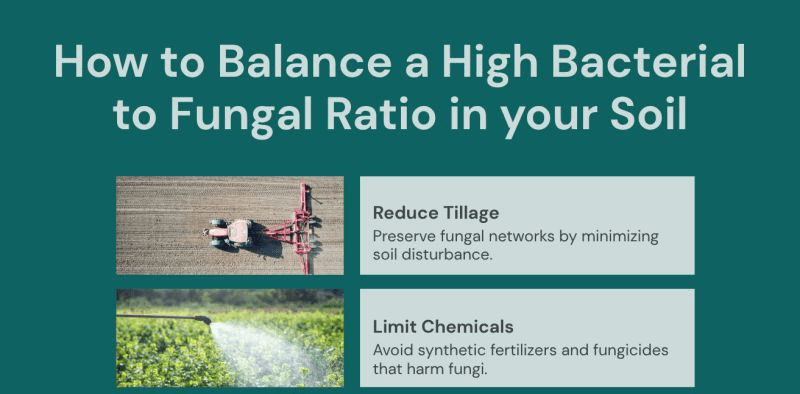
Hoe een hoge bacteriële naar schimmelverhouding in uw grond in balans te brengen
door
Buse Soysal
Bodemgezondheid
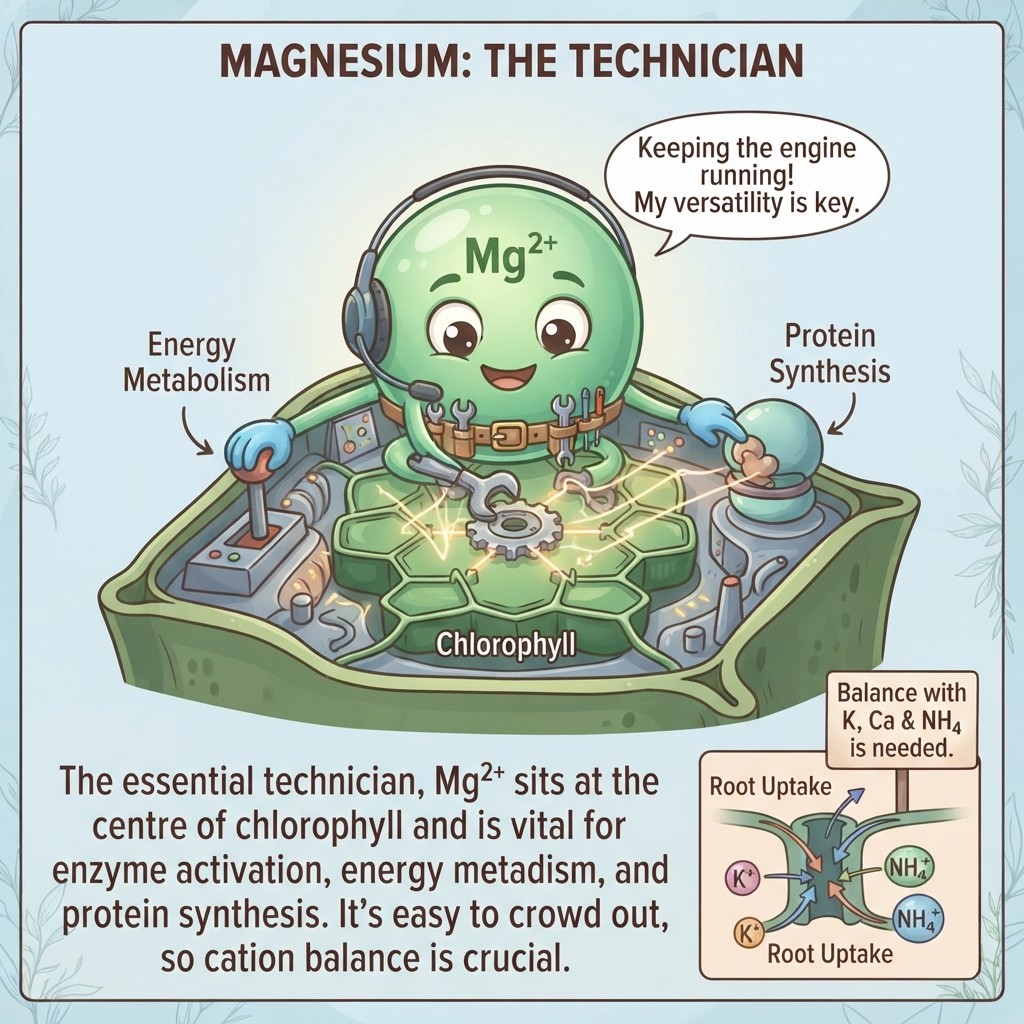
Magnesium: De regelaar
door
Buse Soysal
Plantsap
Bemestingsadvies
Voedingsinteracties
IJzer: De energiemotor

door
Buse Soysal
Plantsap
Bemestingsadvies
Voedingsinteracties
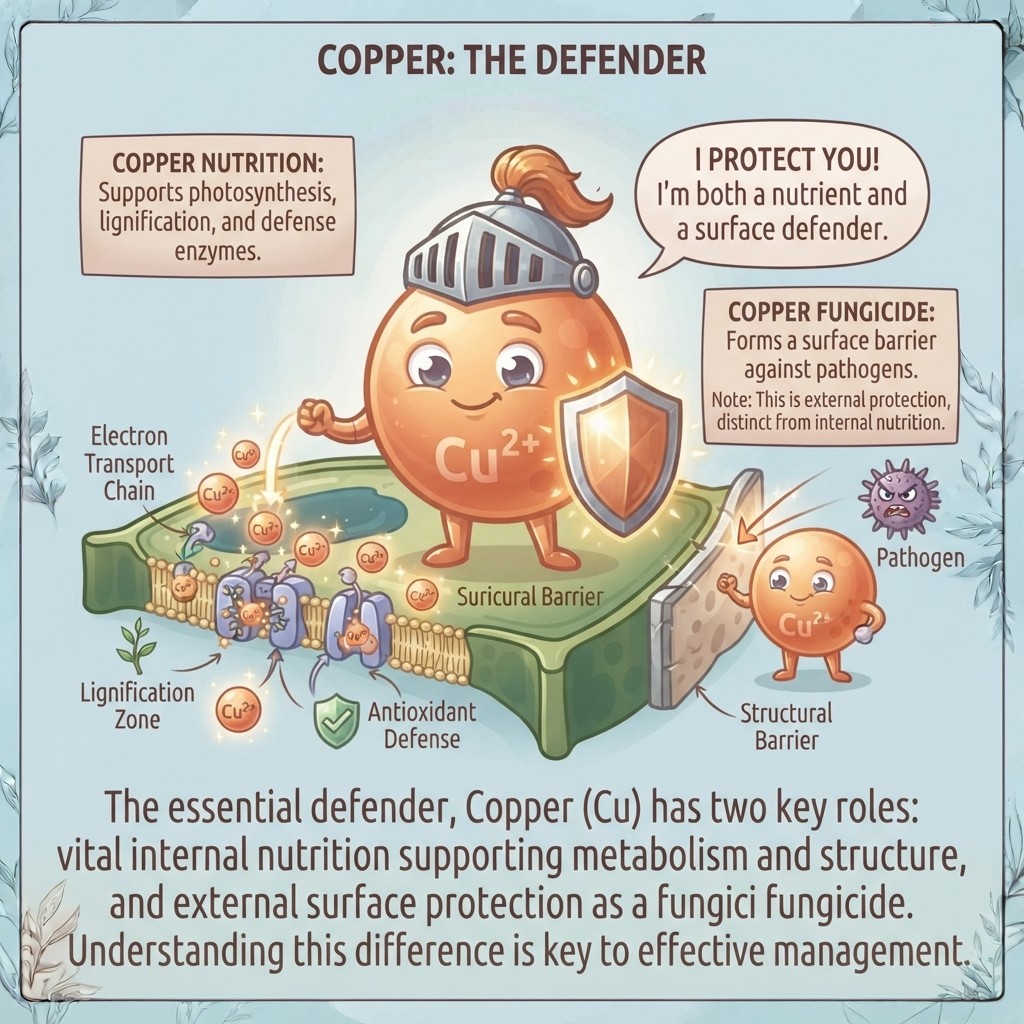
Koper: De beschermer
door
Buse Soysal
Plantsap
Bemestingsadvies
Voedingsinteracties
Molybdenum: The Facilitator

door
Buse Soysal
Plantsap
Bemestingsadvies
Voedingsinteracties
Magnesium: De Ongezongen Held van Fotosynthese
door
Buse Soysal
Voedingsinteracties
Stikstoffractie: De Bouwsteen
door
Buse Soysal
Plantsap
Manganese: The Regulator
door
Buse Soysal
Plantsap
Bemestingsadvies
Voedingsinteracties
Slimmer boeren ontgrendelen met weer- en nutriëntenanalyse

door
Buse Soysal
Voedingsinteracties
Water Ontmoet Voedingsstrategie

door
Buse Soysal
Voedingsinteracties
Boor: De Schakel

door
Buse Soysal
Plantsap
Voedingsinteracties
Meststoffen
Calcium: De architect
door
Buse Soysal
Plantsap
Bemestingsadvies
Voedingsinteracties
Kalium: De logistiek manager

door
Buse Soysal
Plantsap
Fosfor: De Strateeg
door
Buse Soysal
Plantsap
Eenhedenconversie Ontmoet Cropprocessen

door
Buse Soysal
Bodemonderzoek
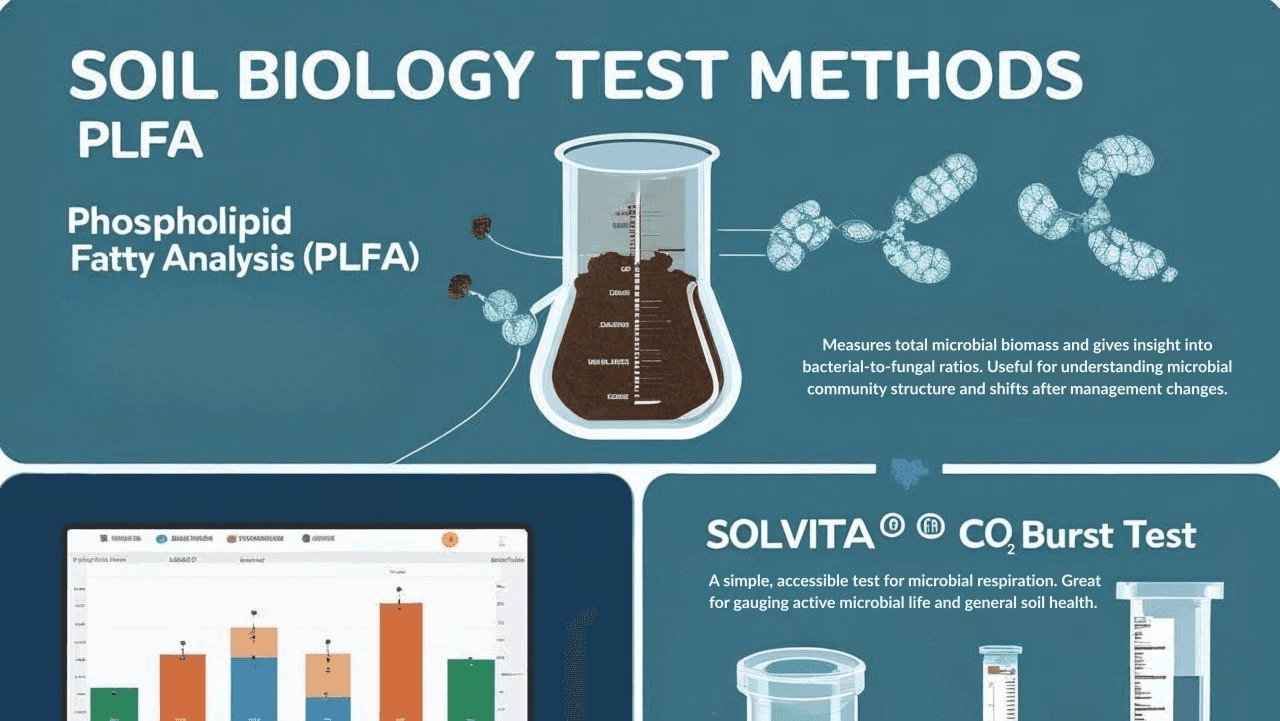
Bodembiologietests - Wat zijn uw opties?
door
Buse Soysal
Bodemonderzoek
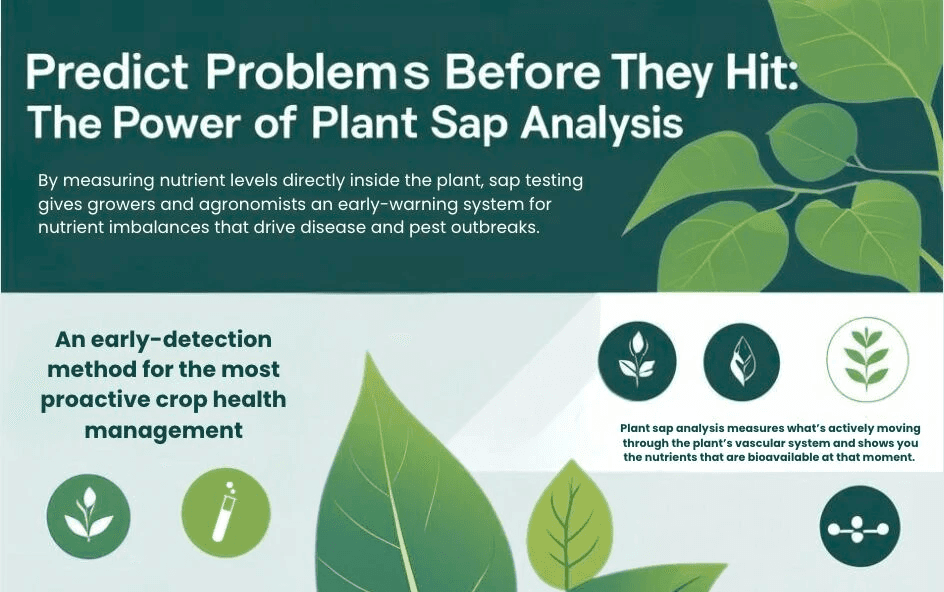
Voorspel Problemen Voordat Ze Toeslaan — De Kracht van Plantsapanalyse
door
Buse Soysal
Data Analyse
Maximaliseren van de voordelen van dekgewassen voor uw teeltgewassen

door
Buse Soysal
Voedingsinteracties
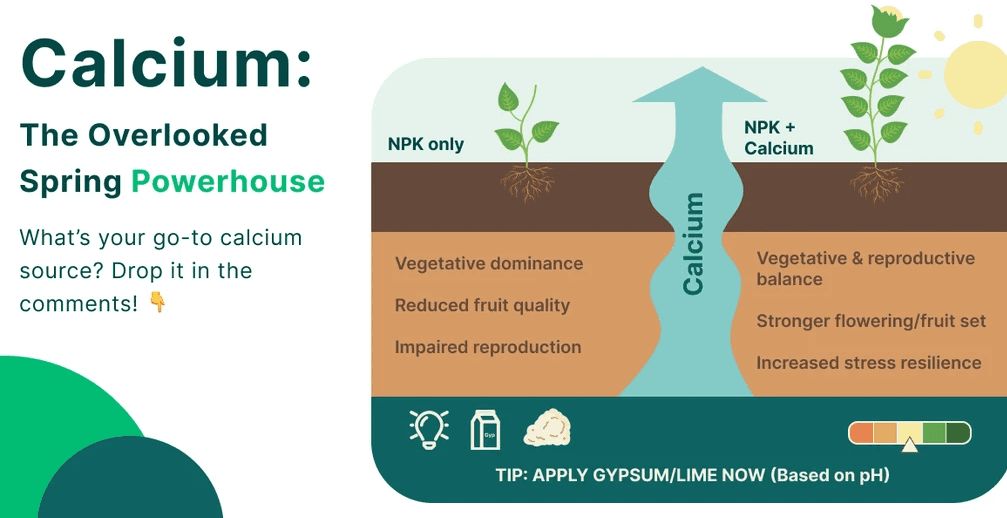
Calcium: De Overlookte Lente Krachtpatser
door
Buse Soysal
Voedingsinteracties
Snijden de kosten van kunstmest in uw winst?
door
Buse Soysal
Meststoffen
Vooruitgang in Precisie-irrigatie: Technologie gebruiken voor Duurzame Landbouw

door
Buse Soysal
Bodemgezondheid
Het Ontgrendelen van de Verborgen Helpers in de Landbouw: Microbieel Genomics en de Dataprobleem

door
Buse Soysal
Het belang van microbiele amendementen: Hoe de algehele gewasresistentie te vergroten

door
Buse Soysal
Bodemgezondheid
Het Ontgrendelen van Oogstpotentieel: De Ongenoemde Kracht van Plantenappelsanalyse

door
Buse Soysal
Regeneratieve Landbouw
Het ontgrendelen van koolstofcredits: welke gegevens boeren moeten bijhouden en hoe wij kunnen helpen

door
Buse Soysal
Data Analyse
Verbeteren van Onkruidbeheer: Het Benutten van Gegevensanalyse voor Duurzame Landbouw
door
Buse Soysal
Data Analyse
Het Verhogen van Gewasgezondheid met Brixmetingen: De Zoete Wetenschap van Plantenimmuniteit

door
Buse Soysal
Bodemgezondheid
Voedselbeheer en Ziekteresistentie: De Verborgen Verbindingen Onthuld Door Gegevensanalyse

door
Buse Soysal
Voedingsinteracties
Basisverzadiging Balanceren: Het Bereiken van de Ideale Verhouding voor Optimale Gewasproductie

door
Buse Soysal
Bodemgezondheid
Hoe nul overtollige vrije nitraten en ammonium in planten sapanalyse te bereiken

door
Buse Soysal
Regeneratieve Landbouw
Amerika's Bruisende Ruggengraat: De Cruciale Rol van Migrerende Bijenteelt in de Amerikaanse Landbouw

door
Buse Soysal
Bodemgezondheid
De grondbiologietests ontleden - De ROI vinden met PLFA-tests

door
Buse Soysal
Bodemonderzoek
Precisielandbouw: De landbouw revolutioneren, één veld tegelijk

door
Buse Soysal
Precisielandbouw
Ag101: Wat is het verschil tussen biologische en regeneratieve landbouw?
door
Buse Soysal
Bodemgezondheid
Je favoriete bonen zijn in gevaar: Bedreigingen voor de productie van koffie en chocolade
door
Buse Soysal
Bodemgezondheid
IPM-programma's: De beste maatregelen voor plaagpreventie

door
Buse Soysal
Ziekten & Plagen
Natte Lenteproblemen - Waarom Zo Onherstelbaar?

door
Buse Soysal
Voedingsinteracties
De Invloed van Voedseltoepassingen op de Post-Oogst
door
Buse Soysal
Voedingsinteracties
Sinaasappelsap in gevaar: De bedreiging van HLB-ziekte

door
Buse Soysal
Bodemgezondheid
California Dreaming: Het Probleem met Amandelproductie

door
Buse Soysal
Onzichtbare Zicht: Zinktekort in de Bodem

door
Buse Soysal
Voedingsinteracties
Strijd onder de grond: Begrijpen van Calcium - Kalium Antagonisme in Bodem

door
Buse Soysal
Voedingsinteracties
Het Krachtkoppel van het Plantenrijk: de Synergetische Symfonie van Stikstof en Zwavel

door
Buse Soysal
Voedingsstoffen voor Beginners
Verhoog de droogtetolerantie met deze vaak gemiste micronutriënt

door
Buse Soysal
Klimaatverandering
Dieper Graven: Het Grote Bodemanalyse Debat voor Regeneratieve Landbouw

door
Buse Soysal
Bodemgezondheid
Ammonium vs Calcium: De Nutriëntenbalans voor Beter Groeiende Planten

door
Buse Soysal
Voedingsinteracties
Verbeteren van de Bodemstructuur: Verhoog de Weerbaarheid van Uw Boerderij
door
Buse Soysal
Bodemgezondheid
Relatie tussen Natrium en Calcium: Een Verhaal van Vijanden in de Bodem

door
Buse Soysal
Voedingsinteracties
Het Bodemkantoor: De Bewogen Relatie Tussen Molybdeen en Nitraat
door
Buse Soysal
Voedingsinteracties
De Delicate Dans: Het Bereiken van de Perfecte Stikstofbalans voor Optimale Oogstproductiviteit

door
Buse Soysal
Voedingsinteracties
De Weg Effenen voor een Regeneratieve Toekomst: Inzichten in het "Data Gedreven Regeneratieve Landbouw" Project

door
Buse Soysal
Regeneratieve Landbouw
Het Volledige Potentieel van de Grond Ontgrendelen: De Pionierende Principes van Dr. William A. Albrecht

door
Buse Soysal
Bodemgezondheid
De voordelen van regeneratieve landbouw voor de menselijke gezondheid

door
Buse Soysal
Regeneratieve Landbouw
Verantwoordelijke Gegevensuitwisseling in de Landbouw

door
Buse Soysal
Data Analyse
Verantwoord gebruik van meststoffen om droogte te beperken
door
Buse Soysal
Klimaatverandering
De kracht van gezonde bodem: voor een blije Wereld Aarde Dag

door
Buse Soysal
Bodemgezondheid
Gewasinspectie voor regeneratieve landbouw
door
Buse Soysal
Regeneratieve Landbouw
Plantenvoeding en Bodemanalyse voor Stikstofemissiereductie
door
Buse Soysal
Regeneratieve Landbouw
Hoe gebruik je Plantvoeding voor Regeneratieve Landbouw?

door
Buse Soysal
Regeneratieve Landbouw
Winstgevendheid van regeneratieve landbouw en transitiemanagement

door
Buse Soysal
Regeneratieve Landbouw
Hoe kunnen we data-gedreven landbouw gebruiken voor een heldere toekomst?
door
Buse Soysal
Data Analyse
Plantenanalyse voor Meer Opbrengst en Minder Meststoffen

door
Buse Soysal
Regeneratieve Landbouw