
Potassium is unusual because plants require large quantities of it, yet potassium is not incorporated into major structural molecules in the way nitrogen, phosphorus or calcium are.
Instead, K remains highly mobile and performs regulatory work.
It controls osmotic balance and turgor, contributes to stomatal opening and closing, supports enzyme activity, helps maintain electrical and ionic balance and plays an important role in moving carbohydrates from photosynthetic source leaves toward growing tissues, roots, fruit and seed.
Potassium is therefore best understood as the crop's logistics manager.
Potassium's personality and its relationships
Potassium wants everything moving.
Water needs to move. Stomata need to respond. Sugars need to leave the leaf. Growing fruit need assimilates. Nutrients need to move through vascular tissues.
When potassium is short, logistics become inefficient.
But potassium has one dangerous personality trait: it can become dominant.
Calcium and magnesium occupy the same broad cation economy. When K concentrations become excessive, uptake or accumulation of Ca and Mg can decline. Potassium has not become toxic in the conventional sense; it has simply taken too large a share of the available cation space.
Magnesium is particularly vulnerable. A grower can therefore create a photosynthetic problem while trying to improve fruit filling with potassium.
Calcium also competes with excessive K. In fruit crops this relationship deserves close attention because K demand may rise strongly during fruit filling at exactly the time when reliable Ca delivery remains important for fruit quality.
Nitrogen is one of potassium's most productive partners. K supports nitrate transport, charge balance and carbohydrate movement, all of which contribute to nitrogen-use efficiency.
Sodium is not a required partner for most crops. In some species and circumstances Na can substitute for part of potassium's osmotic function, but in most commercial crops excessive sodium is better considered a competitor. Sodium stress can interfere with K uptake and disrupt the K/Na balance.
Ammonium can also compete with potassium at the root and transporter level when NH4 concentrations become excessive.
The agronomy behind these relationships
Potassium is a major cellular osmoticum and is central to turgor, cell expansion, stomatal operation, membrane potential and enzyme activity. It is also highly mobile through both xylem and phloem. citeturn577171search4
Its role in the phloem makes the connection with sugar movement particularly important. K contributes to the electrical conditions required for efficient phloem loading and therefore to assimilate distribution between source and sink tissues. citeturn577171search4
The K–Ca and K–Mg relationships shown in the slide are agronomically valid provided they are described as concentration-dependent antagonisms rather than absolute rules. High K supply has repeatedly been shown to decrease Ca and, under many conditions, Mg accumulation. fileciteturn3file2
The existing slide's treatment of sodium as a potassium dependency should therefore be removed. Sodium is a conditional substitute or competitor, not a universal requirement for K function.
What should a grower look for in plant sap?
Because potassium is highly mobile, an emerging shortage may first be visible through declining K in older leaves as the plant reallocates potassium toward younger sinks.
But K should not be interpreted alone.
When potassium is high, examine Ca and Mg immediately. When potassium is low, also examine nitrogen status, sodium, ammonium, water relations and fertiliser source.
This is particularly important when KCl is being used because the potassium response cannot be separated entirely from the chloride being supplied with it.
For a grower, the objective is not maximum potassium.
It is enough potassium to run the plant's transport network without allowing the logistics manager to take control of the entire organisation.
This blog is part of SoilBeat’s Plant Sap Nutrient Series, created through the SNN project with co-financing from the European Union and Samenwerkingsverband Noord-Nederland (SNN).

Written by
Buse Soysal
Related
Other Articles.
Turning lab report into a fertiliser recommendation

by
Buse Soysal
Fertiliser Recommendation
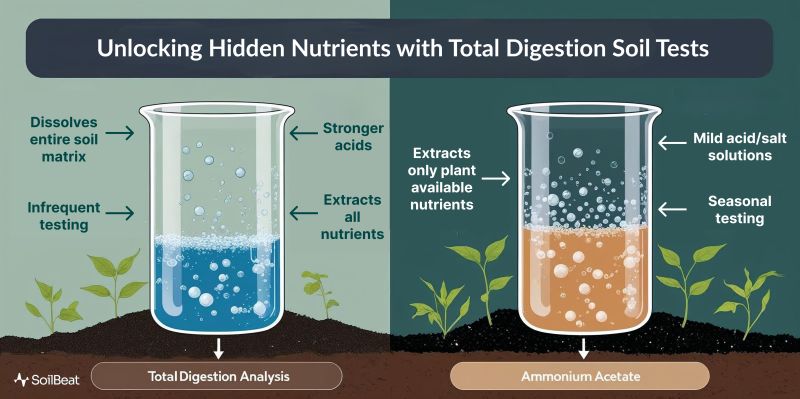
Unlocking Hidden Nutrients with Total Digestion Soil Tests
by
Buse Soysal
How to Balance a High Bacterial to Fungal Ratio in your Soil

by
Buse Soysal
Soil Health
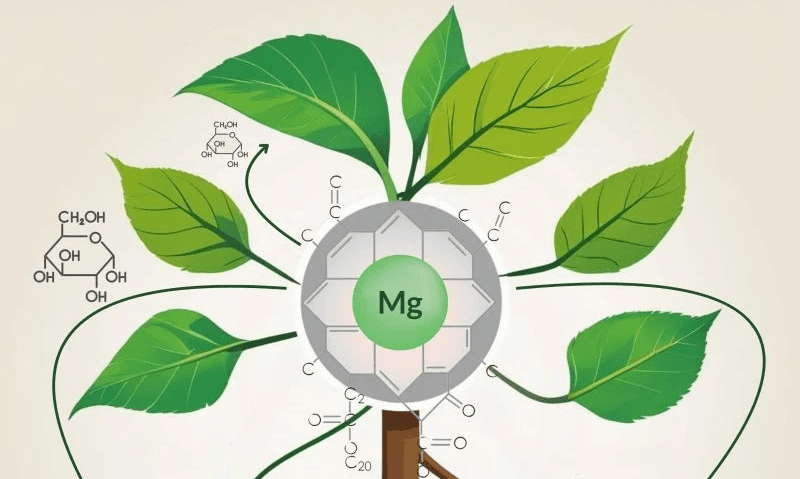
Magnesium: The Unsung Hero of Photosynthesis
by
Buse Soysal
Nutrient Interactions
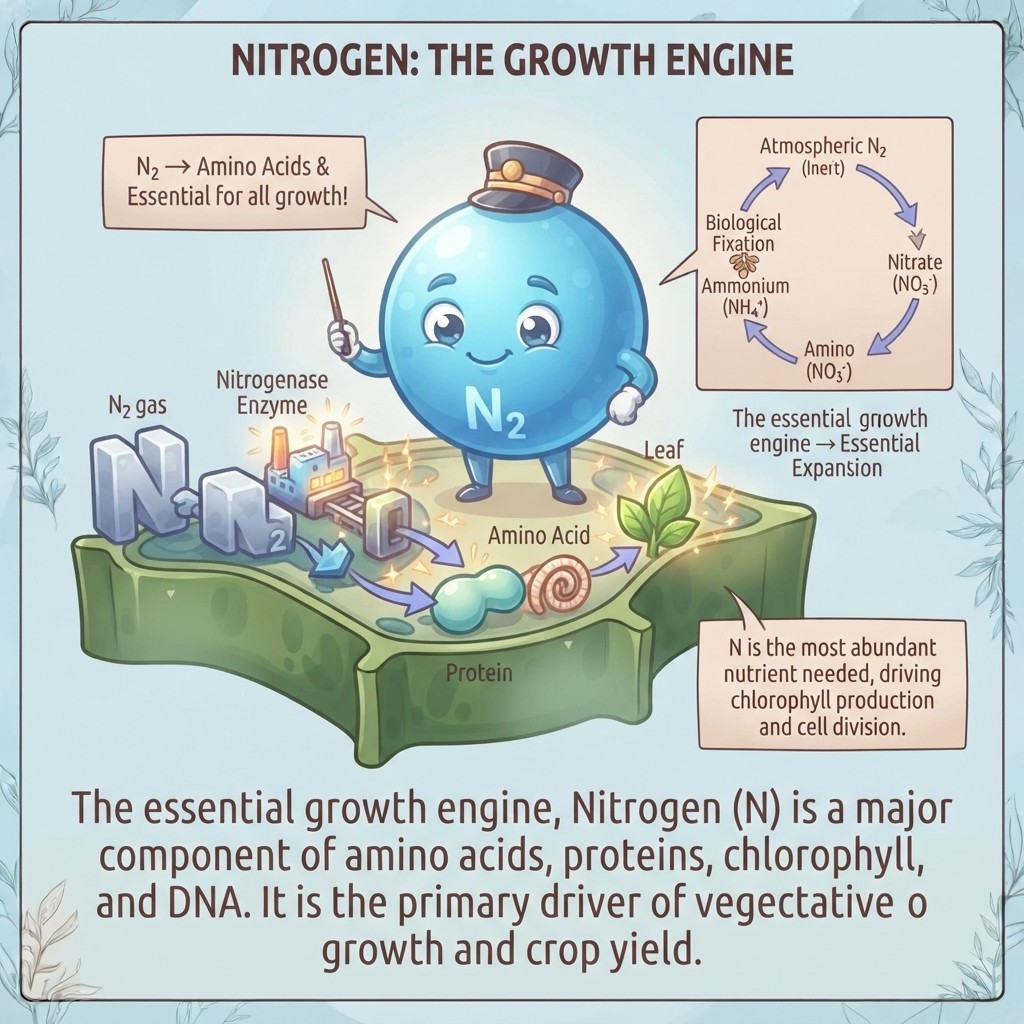
PlantSap - Nitrogen: The Builder
by
Buse Soysal
Plantsap
Unlocking Smarter Farming with Weather + Nutrient Analytics

by
Buse Soysal
Nutrient Interactions
Water Meets Nutrient Strategy

by
Buse Soysal
Nutrient Interactions
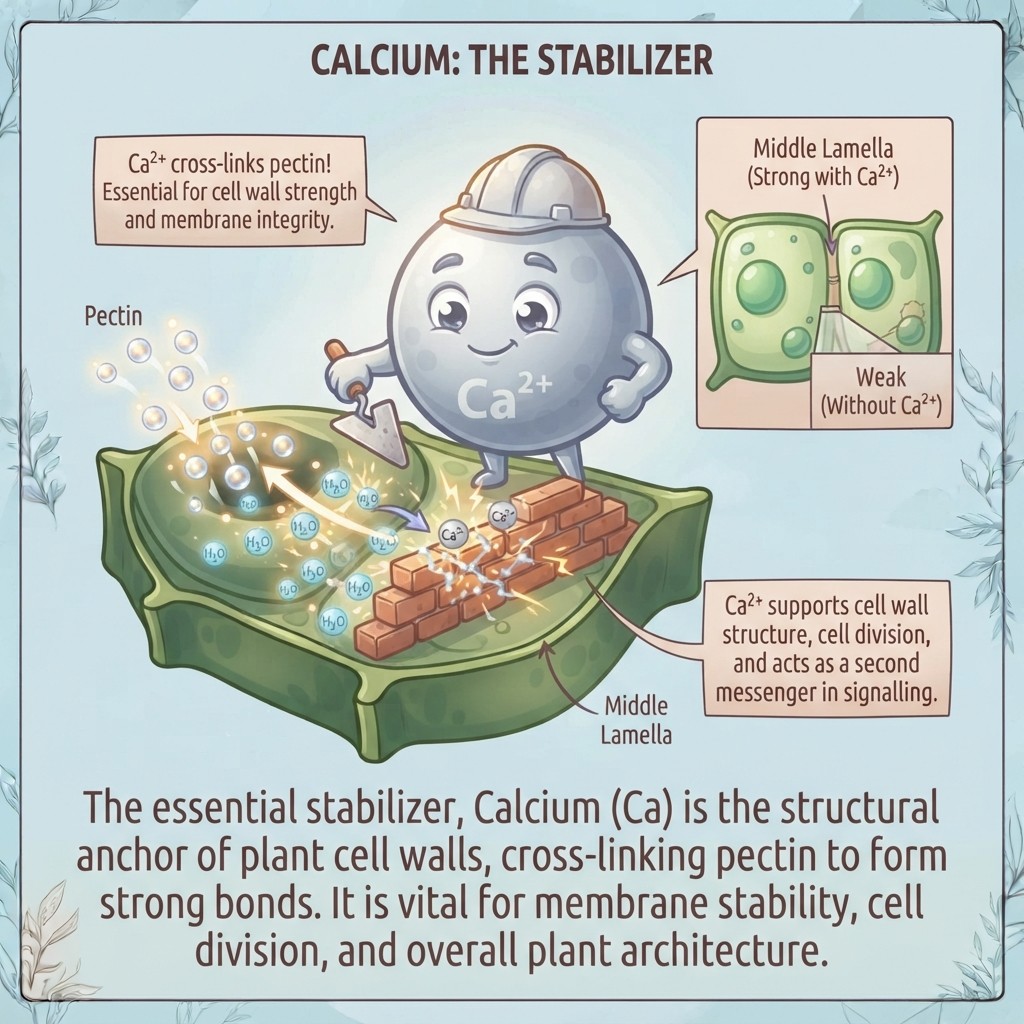
Calcium: The Architect
by
Buse Soysal
Plantsap
Phosphorus: The Strategist
by
Buse Soysal
Plantsap
Unit Conversion Meets Crop Intelligence

by
Buse Soysal
Soil Testing
Soil Biology Testing—What Are Your Options?
by
Buse Soysal
Soil Testing
Predict Problems Before They Hit — The Power of Plant Sap Analysis
by
Buse Soysal
Data Analytics
Maximizing Cover Crop Benefits for Your Cash Crop

by
Buse Soysal
Nutrient Interactions
Calcium: The Overlooked Spring Powerhouse
by
Buse Soysal
Nutrient Interactions
Are fertilizer costs cutting into your bottom line?
by
Buse Soysal
Fertilizers
Advancing Precision Irrigation: Leveraging Technology for Sustainable Agriculture

by
Buse Soysal
Soil Health
Unlocking Agriculture’s Hidden Helpers: Microbial Genomics and the Data Challenge

by
Buse Soysal
The importance of microbial amendments: How to increase overall crop resilience

by
Buse Soysal
Soil Health
Unlocking Crop Potential: The Untapped Power of Plant Sap Analysis

by
Buse Soysal
Regenerative Agriculture
Unlocking Carbon Credits: What Data Farmers Need to Track and How We Can Help

by
Buse Soysal
Data Analytics
Enhancing Weed Management: Leveraging Data Analytics for Sustainable Agriculture
by
Buse Soysal
Data Analytics
Elevating Crop Health with Brix Measurements: The Sweet Science of Plant Immunity

by
Buse Soysal
Soil Health
Nutrient Management and Disease Resistance: Unveiling the Hidden Connections Through Data Analytics

by
Buse Soysal
Base Saturation Balancing: Achieving the Ideal Ratio for Optimal Crop Production

by
Buse Soysal
Soil Health
How to Achieve Zero Excess Free Nitrates and Ammonium in Plant Sap Analysis

by
Buse Soysal
Regenerative Agriculture
America's Buzzing Backbone: The Crucial Role of Migratory Beekeeping in U.S. Agriculture

by
Buse Soysal
Soil Health
Breaking Down Soil Biology Testing - Finding the ROI with PLFA Tests

by
Buse Soysal
Soil Testing
Precision Agriculture: Revolutionizing Farming, One Field at a Time

by
Buse Soysal
Precision Agriculture
Ag101: What is the difference between organic and regenerative agriculture?
by
Buse Soysal
Soil Health
Your Favourite Beans are in Danger: Threats to Coffee & Chocolate Production
by
Buse Soysal
Soil Health
IPM Programs: Best of the Pest Prevention Measures

by
Buse Soysal
Pest & Disease
Wet Spring Issues - Why So Irreparable?

by
Buse Soysal
Nutrient Interactions
The Influence of Nutrient Applications on Post Harvest
by
Buse Soysal
Nutrient Interactions
Orange Juice in Danger: The Threat of HLB Disease

by
Buse Soysal
Soil Health
California Dreaming: The Issue with Almond Production

by
Buse Soysal
Sight Unseen: Zinc Deficiency in Soil

by
Buse Soysal
Nutrient Interactions
Battle Beneath: Understanding Calcium - Potassium Antagonism in Soil

by
Buse Soysal
Nutrient Interactions
The Plant Kingdom's Power Couple: Nitrogen and Sulfur's Synergistic Symphony

by
Buse Soysal
Nutrients for Beginners
Increase Drought Tolerance With This Commonly Missed Micronutrient

by
Buse Soysal
Climate Change
Digging Deeper: The Great Soil Analysis Debate for Regenerative Agriculture

by
Buse Soysal
Soil Health
Ammonium vs Calcium: The Nutrient Balancing Act for Thriving Plants

by
Buse Soysal
Nutrient Interactions
Improving Soil Structure: Boost Your Farm’s Resilience
by
Buse Soysal
Soil Health
Sodium and Calcium Relationship: A Tale of Frenemies in the Soil

by
Buse Soysal
Nutrient Interactions
The Soil Office: Molybdenum and Nitrate's Tumultuous Relationship
by
Buse Soysal
Nutrient Interactions
The Delicate Dance: Achieving the Perfect Nitrogen Balance for Optimal Crop Productivity

by
Buse Soysal
Nutrient Interactions
Paving the Way for a Regenerative Future: Insights into the "Data Driven Regenerative Ag" Project

by
Buse Soysal
Regenerative Agriculture
Unlocking Soil's Full Potential: The Pioneering Principles of Dr. William A. Albrecht

by
Buse Soysal
Soil Health
The Benefits of Regenerative Agriculture for Human Health

by
Buse Soysal
Regenerative Agriculture
Responsible Data Exchange in Agriculture

by
Buse Soysal
Data Analytics
Responsible Fertilizer Use for Mitigating Drought

by
Buse Soysal
Climate Change
The Power of Healthy Soil: for a Happy World Earth Day

by
Buse Soysal
Soil Health
Crop Scouting for Regenerative Agriculture

by
Buse Soysal
Regenerative Agriculture
Plantsap and Soil Analyses for Nitrogen Emission Reduction
by
Buse Soysal
Regenerative Agriculture
How do you use Plant Nutrition for Regenerative Agriculture?

by
Buse Soysal
Regenerative Agriculture
Profitability of Regenerative Agriculture and Transition Management

by
Buse Soysal
Regenerative Agriculture
How can we use Data-Driven Farming for a Bright Future?
by
Buse Soysal
Data Analytics
Plantsap Analysis for More Yield and Less Fertilizer

by
Buse Soysal
Regenerative Agriculture