For growers

Stop paying for fertilizer your crop doesn’t need.

Know what your crop needs, and what to do next. SoilBeat brings your crop needs, field history, applications and lab results together, so you and your agronomist can see what each field actually needs before you buy and apply. Then follow clear tasks and keep a record of what was done.

Grower working in a productive agricultural growing system
SoilBeat agronomic recommendation interface
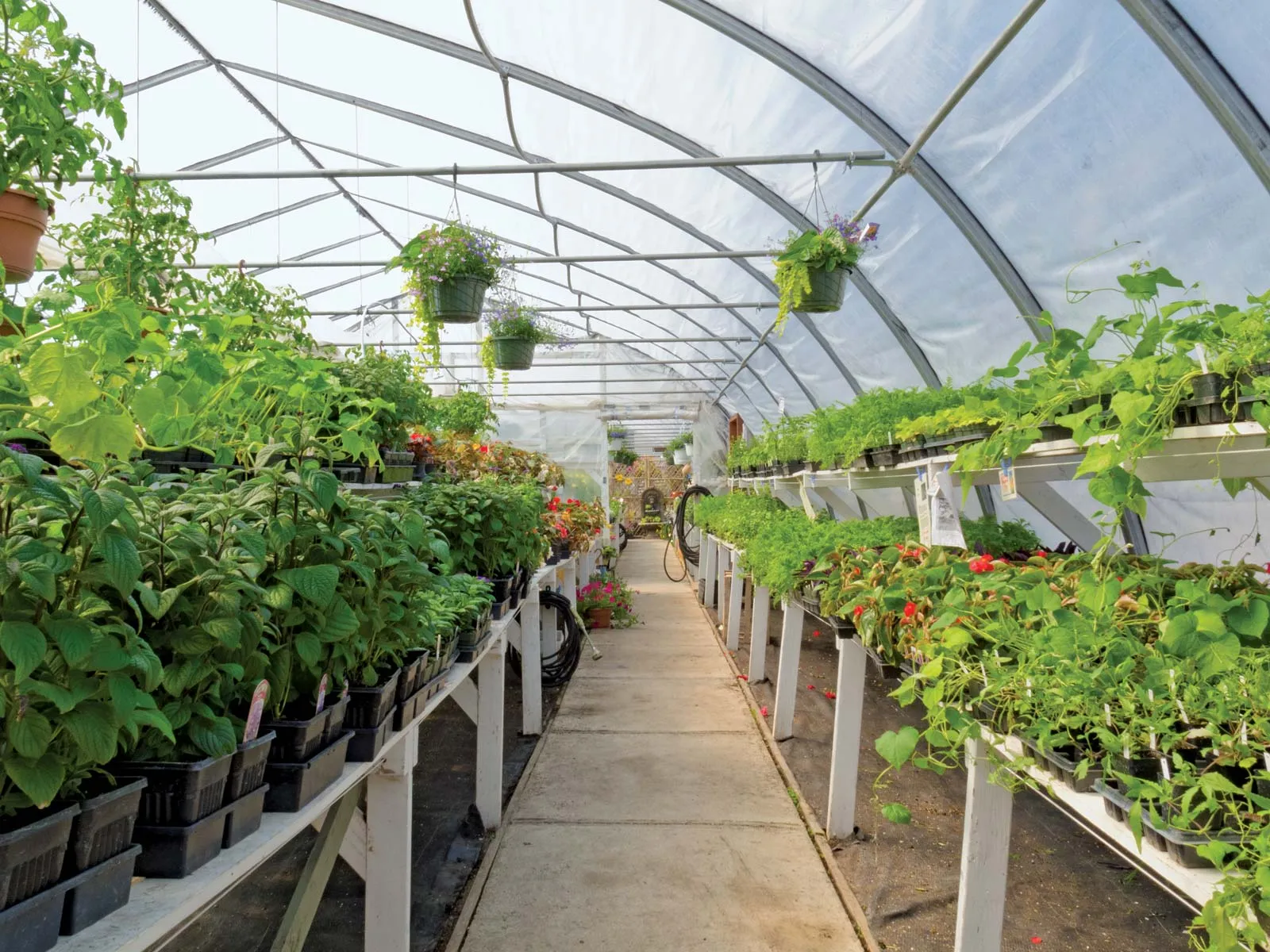
Plants growing inside a greenhouse
Harvested tomatoes
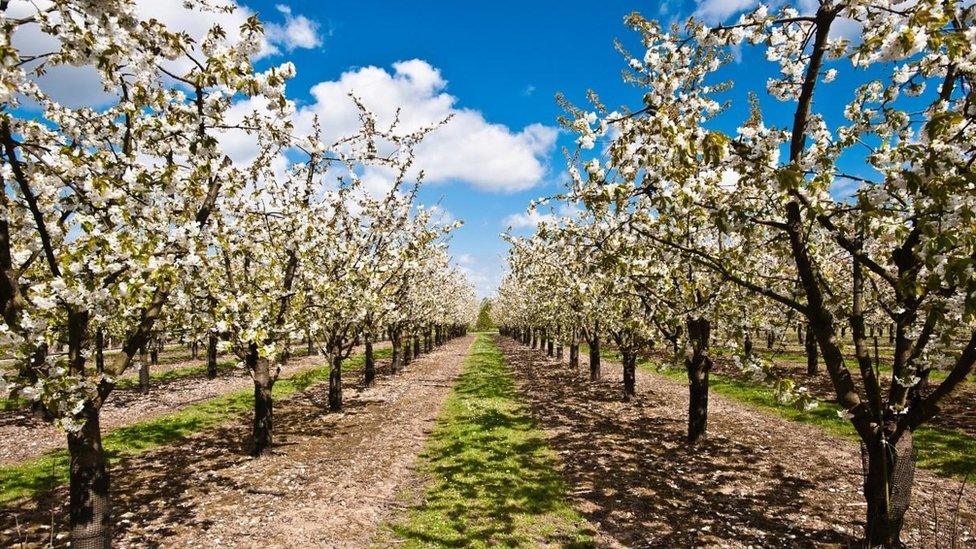
Young trees growing outdoors

What you get as a grower

Understand every recommendation before you spend on it.

  1. See why, not just what

    Every recommendation comes with the reasons behind it: your crop’s needs, the field’s history and, when you have them, lab results. You know what you’re paying for and why.

  2. A simple task list

    Approved advice turns into clear tasks for you or your team. Mark work as done, so your agronomist knows what was actually applied.

  3. Your history stays with you

    Lab results, applications and observations build up season after season, and stay with you, even if you change advisor.

Your data is yours. Export it any time. You decide which advisor sees it.

For growers across production systems

Built for the way you actually grow.

Whether you manage an orchard, greenhouse, vineyard, dairy and forage operation, nut crop, row-crop farm or tree nursery, SoilBeat helps turn your measurements and observations into reviewed recommendations, activities and follow-up for your growing system.

Different crops. Different growing systems. The same need: know what the crop needs and make every input decision count.

The problems behind every input decision

How do I know what my crop actually needs?

Compare soil, plant-sap, tissue and water results with crop stage, field observations and previous applications, then review the evidence with your agronomist. SoilBeat brings these records together by farm, crop and management zone, so the next input decision starts with the crop’s measured condition and growing history rather than one isolated report.

01
THE HEADACHE

Input mistakes are expensive.

You do not want to spend more on fertilizer or crop protection simply because the real need is unclear.

HOW SOILBEAT HELPS

See the need behind the recommendation.

Centralize lab reports, plant sap and tissue analyses, water results and field observations in one growing record. SoilBeat keeps them alongside crop, field and application history so the recommendation has context.

02
THE HEADACHE

Why doesn't what I apply always reach the plant?

Nutrients applied to a field are not always available for plant uptake: soil pH, moisture, root conditions and nutrient interactions can all affect the response. SoilBeat connects soil, sap, tissue and water results with application history, helping you and your agronomist investigate the limiting factor before choosing another input.

HOW SOILBEAT HELPS

Put nutrient availability and uptake into context.

Compare measurements from soil, plant, water and other sources with what has already happened in the crop. SoilBeat helps connect the evidence your agronomist needs to decide what to address next.

03
THE HEADACHE

It takes too long to piece together what is happening.

Reports, observations and previous applications often sit in different places. Rebuilding the picture takes time when the crop needs a decision.

HOW SOILBEAT HELPS

Keep the puzzle pieces together.

Store measurements, observations, recommendations and activities in one structured growing record. Instead of starting with another blank spreadsheet or PDF, the next decision starts with the history already there.

04
THE HEADACHE

How do I keep records for a buyer or auditor?

Record the field, date, products, rates and completed work alongside the recommendation and supporting observations, so you can explain what happened and why. SoilBeat keeps these details connected in the farm record.

HOW SOILBEAT HELPS

Build the record as the work happens.

Keep recommendations, products, field activities, completion and observations connected to the growing record, so the information you need later is already there.

Put the puzzle pieces together once. Use the growing record to make the next decision with more context.

Compare results and track trends
What SoilBeat changes

How does SoilBeat turn my field information into a plan?

SoilBeat connects your crop needs, management zones, observations, previous applications and lab results. You and your agronomist use that picture to review nutrient needs, prepare recommendations with selected products and rates, turn approved advice into field activities, and follow the response over the season.

01

Bring the pieces together

Keep lab reports, plant sap, tissue, water, field observations, applications and growing history in one connected record.

No more rebuilding the picture from separate PDFs, spreadsheets and conversations.

02

See what matters

Compare current measurements with crop, field, stage and previous activity so the situation can be understood in context.

The question becomes more specific: what is limiting performance, uptake or the result you want?

03

Turn the picture into a recommendation

Use the connected evidence and agronomic interpretation to prepare a practical nutrient or input recommendation.

The recommendation can be linked to the products, rates and prescription details you actually use.

04

Keep the decision connected to what happens next

Turn approved recommendations into activities, record completion and add observations or new measurements.

The next decision starts with the history of what happened before.

SoilBeat becomes the second brain for the growing operation: the context stays, even when the people, reports or season change.

Explore activities and follow-up
Ask your farm data
01

Why is this crop not responding to fertilization?

A crop may fail to respond when nutrient availability, water, root conditions or another limiting factor prevents it from using the fertilizer applied. Compare soil, sap and tissue results with crop stage, field observations and application history in SoilBeat, then review the likely cause with your agronomist before adding more input.

02

Which nutrients are limiting uptake?

A low plant result can reflect insufficient supply, poor availability or an interaction with another nutrient. SoilBeat brings soil, sap, tissue and water evidence together with your advisor’s targets, helping you compare nutrient patterns in the context of the crop and field.

03

Did the last application improve the situation?

Compare measurements and crop observations before and after the recorded application. SoilBeat keeps results alongside application dates, products and rates, so you and your advisor can see how the crop responded.

04

Which field needs attention first?

Compare fields or management zones using recent lab results, field observations, crop stage and recorded activities to identify where a review is most urgent. SoilBeat keeps this evidence connected, helping you and your advisor prioritize a field visit, another sample or a recommendation review using the context available for each field.

05

What should I discuss with my advisor?

Discuss the result that changed, the field or crop affected, recent products and rates, and what you observed after the last application. SoilBeat gives you a shared record of lab reports, observations and completed work, so you can agree what needs checking, which action to take and how to follow up.

How to get SoilBeat

Two ways to start.

Illustration: a 50 ha farm spending €300 per hectare on fertilizer spends €15,000 a year. Avoiding just 10% of inputs the crop doesn’t need saves €1,500, more than three times the cost of Farmer Pro. Your numbers will differ.

  1. Your agronomist invites you

    €99 per year, with the first three months free. Your agronomist prepares the recommendations; you see the advice, the reasons behind it and your task list.

  2. Use SoilBeat yourself

    Start free for one farm. Farmer Pro costs €449 per year and adds advanced interpretation, recommendation reports and more AI questions.

Questions about SoilBeat

What else should I know about SoilBeat?

Do I need an agronomist to use SoilBeat?

You can use SoilBeat to organize lab reports, record field observations and explore your farm data without inviting an agronomist. Interpretation and recommendation features depend on your plan and role; when advice will change crop management, review the evidence, proposed products and rates with a qualified agronomist before acting. Compare plans and roles.

Can I keep shared data if I switch advisors?

Yes. Customers retain ownership of uploaded farm data, and sharing it with an advisor does not transfer that ownership. You can collaborate around the same records; if you change advisors, review permissions and arrange continued access or an export first, especially where the records are held in an advisor-owned workspace. Discuss sharing and workspace access.

How do I reduce synthetic fertilizer safely?

Start with soil tests, crop needs and the nutrients already supplied by manure, compost and previous applications, then agree a gradual reduction plan with your agronomist. Use plant measurements, field observations and crop performance to monitor the response; SoilBeat keeps this evidence connected, but no fixed reduction percentage suits every field. Explore nutrient analysis and follow-up.

What can I do for free?

Freemium starts with a 30-day Advisor trial for up to 20 farms, followed by one farm with a limited workspace and five Integrated AI questions per month. You can upload and manage lab reports, use basic analytics and record field activities; creating and publishing recommendations requires a suitable paid plan. Check current free-plan allowances.

Can I send a plant sap report and get an interpretation?

Yes. SoilBeat offers a NovaCrop plant-sap report interpretation route: send your report to plant-sap-analysis@mg.soilbeat.com to request an interpretation and prescription report. Review the sample date, crop stage, nutrient risks and proposed actions with your agronomist, and confirm support and any applicable terms before sending a different laboratory format. Explore plant-sap analysis and interpretation.

How is my data protected?

SoilBeat uses sign-in authentication, farm permissions and technical and organizational safeguards to protect personal data against unauthorised access, loss, misuse and alteration. Third-party AI features have a separate consent step; processing and retention depend on the feature and applicable agreements, so check the policy and discuss specific requirements before supplying sensitive material. See our data security overview.

Does it work for dairy, silage and manure?

Yes. SoilBeat connects soil tests, supported manure and slurry reports, silage analyses, field observations and application history for dairy and forage decisions. Your advisor can review manure nutrient supply and forage results in context. Explore dairy and forage workflows.

Does SoilBeat guarantee results?

No software can promise a yield or a saving on its own. SoilBeat helps you and your agronomist see the full picture, so decisions rest on evidence instead of guesswork. What you save depends on your fields, your crop and the advice you act on. Talk to us about your farm.

Grow with SoilBeat!

SoilBeat connects farm data to expert-reviewed prescriptions and advisor plans, with field activities and follow-up in the same record.

Download the SoilBeat app

The app is available in English, Dutch, German, Spanish and French.

Privacy settings
SoilBeat Logo

Copyright © 2026