For horticultural businesses and their agronomists

Turn your crop data into practical nutrient recommendations.

SoilBeat connects soil, substrate, water and plant measurements with scouting observations, applications and crop history. Prepare customized nutrient recommendations for greenhouse, hydroponic, substrate-grown and field-grown crops, with agronomist review and connected activities and follow-up.

Tomato plants growing inside a greenhouse
SoilBeat agronomic recommendation interface
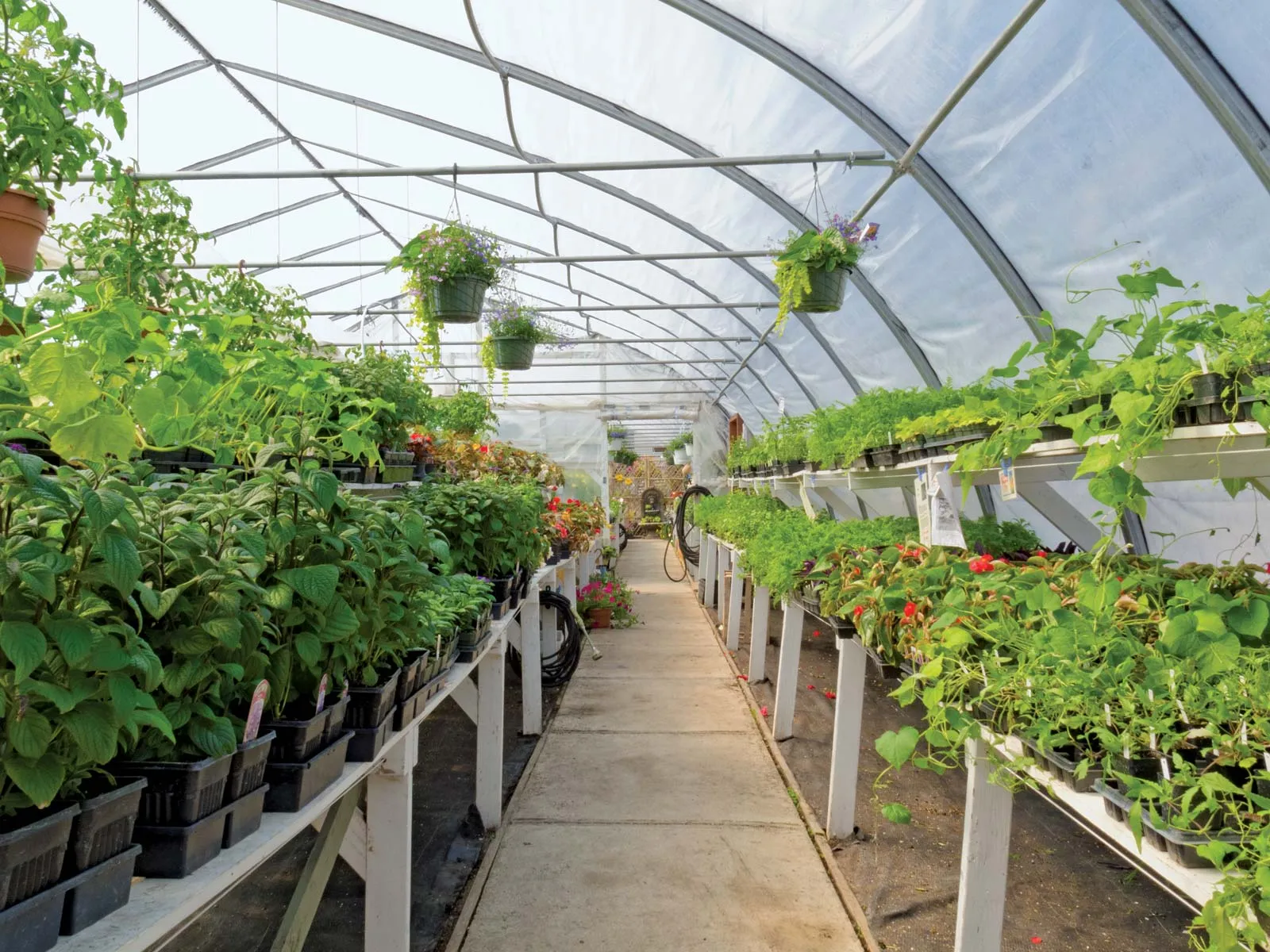
Plants growing inside a greenhouse
Harvested tomatoes
Young trees growing outdoors
SoilBeat for horticulture

Build the recommendation around your crop and growing system.

Keep the data behind each decision together, then use your agronomist's expertise to turn it into a plan you can carry out.

01

How do I bring water, plant sap and substrate results together?

Keep water, plant sap, tissue and soil or substrate analyses in the same crop record, linked to the management zone and sampling date. SoilBeat brings those measurements together with scouting observations, previous applications and crop history, so your agronomist can review nutrient supply and uptake in the context of the growing system.

02

How do I get nutrient advice for hydroponic or substrate crops?

Use the Fertigation module to prepare a nutrient recommendation from water and plant sap analyses for a hydroponic or substrate-grown crop. Your agronomist reviews the crop context, selected products, rates and proposed advice, makes adjustments where needed, and approves the recommendation before it is shared or published as field activities.

03

Can recommendations differ by crop and zone?

Yes. Prepare recommendations for the relevant crop and management zones using their connected measurements, observations and application history, then adapt the products and rates to each case. SoilBeat AI and reusable advisor templates help prepare a plan, while the agronomist reviews the differences before sharing advice or publishing activities.

04

How do scouting and advice stay connected?

Capture observations with FieldScout and keep each scout report connected to its crop and management-zone context, then let the agronomist review and edit it before using it in a recommendation. Publish the approved advice as activities and record completion, so later observations and measurements can inform the next review.

How SoilBeat works

From crop measurements to recommendations, activities and follow-up.

01

Connect the evidence.

Bring laboratory results, scouting observations, previous applications and crop history into one record for the relevant crop and management zone.

02

Prepare the recommendation.

Use AI chat or the available PlantSap and Fertigation modules. Reuse existing templates and adapt the proposed plan to the crop's circumstances.

03

Review and publish.

Your agronomist reviews the evidence, products, rates and instructions, makes edits and approves the advice. Publish the resulting activities so the work is clear.

04

Record and follow up.

Track completed activities and add new observations and measurements. Keep that history connected for the next review and recommendation.

Bring your horticultural data and advisory expertise into one connected workflow.

Book a call

Example Fertigation report

What does a Fertigation report look like?

A SoilBeat Fertigation report brings plant-sap and root-zone measurements into one view, showing nutrient status alongside irrigation and drainage comparisons. This excerpt from an existing SoilBeat report demonstrates the interface; your agronomist reviews the full evidence and proposed adjustments before the recommendation is approved for a particular crop and zone.

Anonymized SoilBeat Fertigation report comparing plant-sap and root-zone measurements for nitrate, nitrogen, chloride, manganese and zinc
Anonymized report excerpt. Identifying sidebar and sample details are excluded from the capture; example values are not a nutrient recipe for another crop. Open the report screenshot at full size.

Horticulture questions

What should I know about horticultural nutrient advice?

How often should I take a sap sample in a greenhouse?

Follow a crop-specific schedule rather than a universal greenhouse interval: NovaCropControl’s lettuce guide recommends sampling every two or three weeks, beginning three weeks after planting. Your laboratory or agronomist should set the interval for your crop, growth stage and monitoring goal, especially after a nutrient correction. Read NovaCropControl’s lettuce sampling guide.

What does the Fertigation module need as input?

The Fertigation module needs water analysis and plant-sap analysis as its laboratory inputs for a hydroponic or substrate-grown crop. Keep the crop, management zone, sampling dates and units clear when selecting the evidence, then let your agronomist review the interpretation, products, rates and proposed nutrient recommendation before it is shared. Explore the recommendation workflow.

Which crops can I use it for?

SoilBeat supports horticultural workflows for greenhouse, hydroponic, substrate-grown and field-grown crops, with Fertigation focused on hydroponic and substrate systems. Confirm that the laboratory reports, crop targets and recommendation method fit your particular crop and growth stage with your agronomist; a supported growing system does not establish a validated recipe for every crop. Discuss your crop and growing system.

Can I use my own nutrient solution recipes?

Yes. You can use your own nutrient-solution recipes in the Fertigation workflow and review them alongside water and plant-sap analyses. Your agronomist should check the crop targets, product composition, concentrations, units and proposed adjustments before approving the recommendation, so the recipe remains appropriate to the crop, zone and growing conditions. Explore your own agronomic methods.

Who checks the nutrient recommendation before it is shared?

The agronomist reviews and adjusts the proposed interpretation, products, rates and instructions before approving advisor advice for the grower. Keep the selected water and plant-sap results, crop context and scouting observations with the recommendation, then publish the resulting activities and record completion so later measurements can support the next review. Keep field activities and follow-up connected.

Grow with SoilBeat!

SoilBeat connects farm data to expert-reviewed prescriptions and advisor plans, with field activities and follow-up in the same record.

Download the SoilBeat app

The app is available in English, Dutch, German, Spanish and French.

Privacy settings
SoilBeat Logo

Copyright © 2026